When I first heard the term crypto wallet, I pictured something like a digital purse. A little app that held my coins the way my handbag holds my cards. It took me an embarrassingly long time to realise I had the whole concept wrong — and once I understood what a crypto wallet actually is, everything about crypto security suddenly made sense.
If you are confused about wallets, you are not alone. It is one of the most misunderstood concepts in this space. So let me explain it clearly, the way I wish someone had explained it to me.
- A crypto wallet does not store your coins — it stores your private keys, which prove you own them and let you access them on the blockchain.
- Hot wallets are connected to the internet and convenient for everyday use. Cold wallets are offline and far more secure for larger or longer-term holdings.
- Leaving crypto on an exchange means the exchange holds your private keys, not you. That carries real risk.
- A hardware wallet like Ledger is the gold standard for keeping your crypto safe — your private keys stay completely offline.
- Your recovery phrase is the master key to everything. Write it on paper, store it somewhere safe, and never share it with anyone.

What a Crypto Wallet Actually Is
A crypto wallet is not quite what it sounds like. It does not store your cryptocurrency the way a physical wallet holds your cash. Your crypto always lives on the blockchain — a decentralised public ledger. What your wallet stores is the private key that proves you own it and allows you to send or receive it.
Every crypto wallet has two key components. Your public key is like your bank account number — you can share it freely so people can send you crypto. Your private key is like your PIN. It is the piece of information that proves ownership and authorises every transaction. If someone gets access to your private key, they have full control over your funds. No customer service line to call, no fraud protection, no reversals.
This is why understanding wallets goes beyond knowing the definition. When you hold crypto properly, you are your own bank. That comes with real freedom — and real responsibility. If you want to understand the full picture of how crypto ownership works before you go further, our Crypto 101 guide is the best place to start.
Hot Wallets vs Cold Wallets
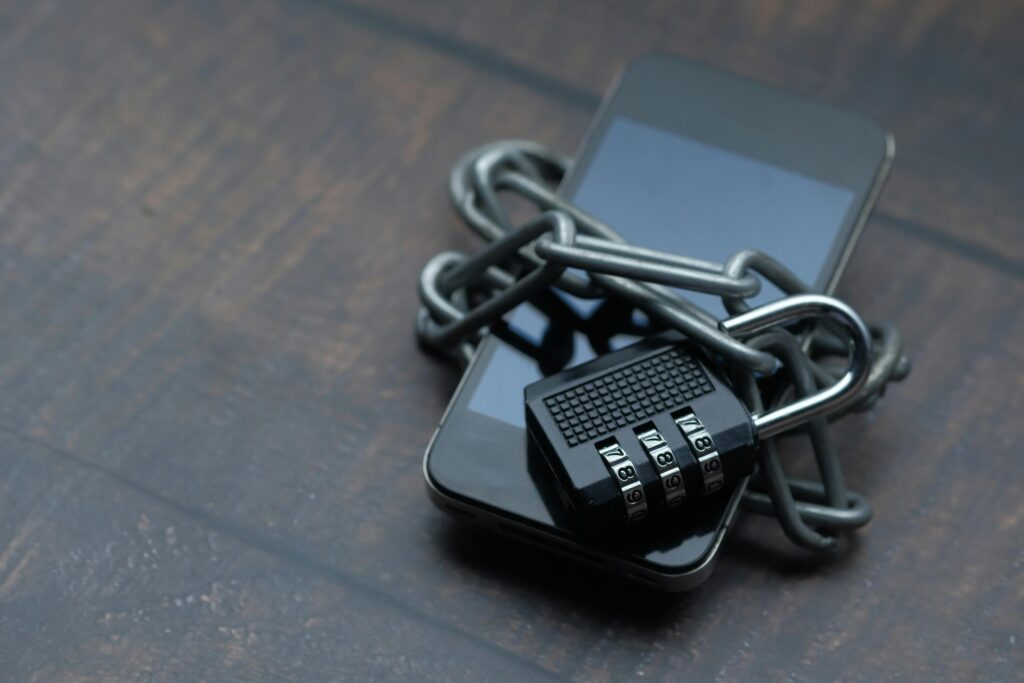
Hot wallets are connected to the internet. These include software wallets on your phone or computer, browser extensions like MetaMask, and the built-in wallets on crypto exchanges. They are convenient, easy to use, and good for people who are actively trading or making frequent transactions. The tradeoff is that because they are online, they are more vulnerable to hacking, phishing, and malware.
Cold wallets are offline. The most common type is a hardware wallet — a small physical device that stores your private keys completely disconnected from the internet. To authorise a transaction, you plug it in and confirm it on the device itself. This makes it significantly harder for anyone to access your funds remotely.
Many people use both. A hot wallet for day-to-day activity and smaller amounts, and a cold wallet for the bulk of their holdings. Think of it like keeping some cash in your wallet for daily expenses while keeping your savings somewhere more secure. The key is matching the tool to the purpose.
This Is the Wallet I Use to Keep My Bitcoin Safe.
Get My Ledger Now →Why Leaving Crypto on an Exchange Is Risky
Leaving your crypto on an exchange is one of the most common mistakes beginners make, and it is completely understandable. When you first buy crypto, it feels natural to leave it where you bought it. But when your crypto is on an exchange, you do not actually control the private keys. The exchange does. You are trusting a third party to safeguard your assets.
Exchanges can and do get hacked. Some have gone bankrupt. Others have frozen withdrawals during periods of market stress. The collapse of FTX in 2022 is the most high-profile example, but it was not the first and will not be the last. Thousands of users lost access to funds they thought were safe. If you want to understand exactly what happens when an exchange goes under, our FTX lesson article covers it in full.
This is not a reason to avoid exchanges entirely. Reputable platforms like Binance have strong security infrastructure and are a solid starting point for buying crypto. But it is a reason to think carefully about where your crypto lives after you buy it.
This Is Where I Buy My Bitcoin. It’s Free to Start.
Open Your Binance Account →How to Pick the Right Wallet for You
The right wallet depends on what you are doing with your crypto. If you are just getting started and buying small amounts while you learn, keeping it on a reputable exchange is fine for now. The important thing is that you are aware of the risks and have a plan to move your funds when it makes sense.
If you are holding crypto as a longer-term investment and you do not need to access it regularly, a hardware wallet is worth the investment. Ledger offers models at different price points and supports thousands of cryptocurrencies. The setup process takes about 15 to 20 minutes and the security it provides is genuinely worth the effort, especially as your holdings grow. Our complete hardware wallet guide walks you through exactly how they work and how to choose the right one.
For those who are active in DeFi or regularly using decentralised applications, a software hot wallet like MetaMask may be necessary. Use it for what you need, but keep the majority of your assets in cold storage. The goal is to minimise how much you have exposed at any given time.
New articles, straight to your inbox.
Whether you’re just curious or already investing, you belong here.
Join HereYour Recovery Phrase — The Most Important Thing You Will Ever Write Down
When you set up any wallet, you will be given a recovery phrase — a series of 12 to 24 words that can restore your entire wallet if your device is ever lost or damaged. This is the master key to everything you own in crypto.
Write it down on paper. Store it somewhere safe and private — not in a photo on your phone, not in a note on your laptop, not in an email to yourself. Never share it with anyone. Not an exchange representative, not a helpful stranger in a crypto forum, not anyone who contacts you claiming to be from support. Anyone who has those words has your crypto, permanently and irrecoverably.
This one habit — protecting your recovery phrase properly — is the single most important thing you can do to keep your crypto safe.
Understanding what a crypto wallet is might seem like a small detail, but it is foundational. The moment you understand that you can be your own custodian — that no bank or institution needs to be between you and your money — the whole point of crypto starts to click. Start with a reputable exchange to buy, learn how wallets work, and when you are ready, take control of your private keys. That is not a radical move. It is just a smart one.



New articles, straight to your inbox.
Whether you’re just curious or already investing, you belong here.
Join HereFrequently Asked Questions

Do I really need a crypto wallet? If you are holding any amount of crypto you would genuinely miss losing, yes. Leaving it on an exchange means someone else controls your private keys. A wallet puts that control in your hands. You do not need one on your very first day, but you should have a plan to move your funds as your holdings grow.
What is the safest type of crypto wallet? A hardware cold wallet like Ledger is the gold standard for security. It stores your private keys completely offline, out of reach of hackers and malware. For most people holding crypto as a longer-term investment, it is the best option available.
Can I have more than one crypto wallet? Yes, and many people do. A common setup is a hot wallet for day-to-day transactions and a hardware wallet for longer-term storage. You can also have multiple wallets for different cryptocurrencies, though many hardware wallets support thousands of coins in one device.
What happens if I lose my hardware wallet? Your crypto is not lost. As long as you have your recovery phrase, you can restore your wallet on a new device and access your funds. This is why keeping your recovery phrase safe is so critical — it is the backup to everything.
Is MetaMask a safe wallet? MetaMask is a reputable and widely used hot wallet, particularly for interacting with Ethereum-based applications and DeFi platforms. It is safe for its intended purpose but because it is connected to the internet it carries more risk than a hardware wallet. Use it for active transactions and keep larger holdings in cold storage.
What is the difference between a wallet address and a private key? Your wallet address (public key) is like your bank account number — you share it so people can send you crypto. Your private key is like your password — it proves you own the funds and authorises transactions. Never share your private key with anyone, ever.
Not Sure Where to Start? Grab My Free Crypto Starter Guide.
Get the Guide Now →Sources
Investopedia — Crypto Wallet Explained: investopedia.com/terms/b/bitcoin-wallet.asp Ledger — What Is a Hardware Wallet: ledger.com/academy/hardware-wallet CoinDesk — Hot Wallet vs Cold Wallet: coindesk.com Binance Academy — Crypto Wallets Guide: academy.binance.com CoinTelegraph — How to Store Crypto Safely: cointelegraph.com

Written by Yana Ballantyne
Founder of Yadala · Crypto Educator · Swiss Real Estate Advisor
Yana is a German-born, Australia-raised investor with two decades of experience across property, shares and crypto. She founded Yadala to make crypto simple and accessible for women — without the jargon or the overwhelm. She recommends platforms she believes in but will never tell you which coin to buy. That decision is always yours.

Disclaimer & Affiliate Disclosure
This article contains affiliate links. If you purchase through these links, I may earn a small commission at no extra cost to you. I only recommend products and services I personally use and genuinely believe in. Your support helps me keep Yadala running and free to read — thank you.
The content on Yadala is for informational and educational purposes only. Nothing here constitutes financial, investment, or legal advice. I am not a licensed financial advisor. All opinions expressed are my own personal views based on my own research at the time of writing.
Cryptocurrency and Bitcoin investments are highly volatile and speculative. The value of digital assets can rise and fall dramatically, and you could lose your entire investment. Regulatory changes may also significantly impact the value or legality of cryptocurrency in your country. Never invest more than you can afford to lose completely.
Yadala and its author accept no liability for any financial loss or damage arising from decisions made based on information in this article. Always conduct your own research and consult a qualified financial advisor before making any investment decisions.