Crypto Security: 10 Rules Every Investor Must Follow
Key Takeaways
Your seed phrase is your most valuable asset. Store it offline, in a secure physical location, and never share it with anyone under any circumstances.
Hardware wallets like Ledger are non-negotiable for serious investors — they keep your private keys completely offline and away from remote attackers.
Two-factor authentication should be enabled on every account using an authenticator app, never SMS, which is vulnerable to SIM swapping.
Phishing is the most common threat you will face — bookmark your sites, verify every URL, and treat all unsolicited messages as suspicious.
Security is a habit not a one-time task. Audit your setup regularly and stay informed as threats evolve.
If you’ve spent any time researching crypto, you’ve probably heard at least one horror story. Someone lost their life savings to a scam. Another person forgot their password and locked themselves out of a wallet holding thousands of dollars. These stories aren’t rare, and they’re not just happening to beginners. Crypto security failures happen to experienced investors too, and the consequences are almost always permanent. Unlike a bank, there’s no customer service line to call, no fraud department to dispute a charge with, and no way to reverse a transaction once it’s gone. That’s exactly why learning the fundamentals of crypto security isn’t optional. It’s the foundation every serious investor needs before putting a single dollar into the market.
Why Crypto Security Should Be Your First Priority
Crypto is one of the most exciting financial opportunities of our generation, but it operates by a completely different set of rules than traditional finance. When you hold crypto, you are your own bank. That means the responsibility for protecting your assets falls entirely on you. There’s no FDIC insurance, no fraud protection, and no institution standing between your money and the people trying to steal it.
The threat landscape in crypto is real and constantly evolving. Hackers, scammers, and phishing operations are sophisticated, well-funded, and specifically designed to target people who are new to the space or who get comfortable and let their guard down. In 2023 alone, crypto scams and hacks resulted in billions of dollars in losses globally. These aren’t abstract statistics. They represent real people who made preventable mistakes.
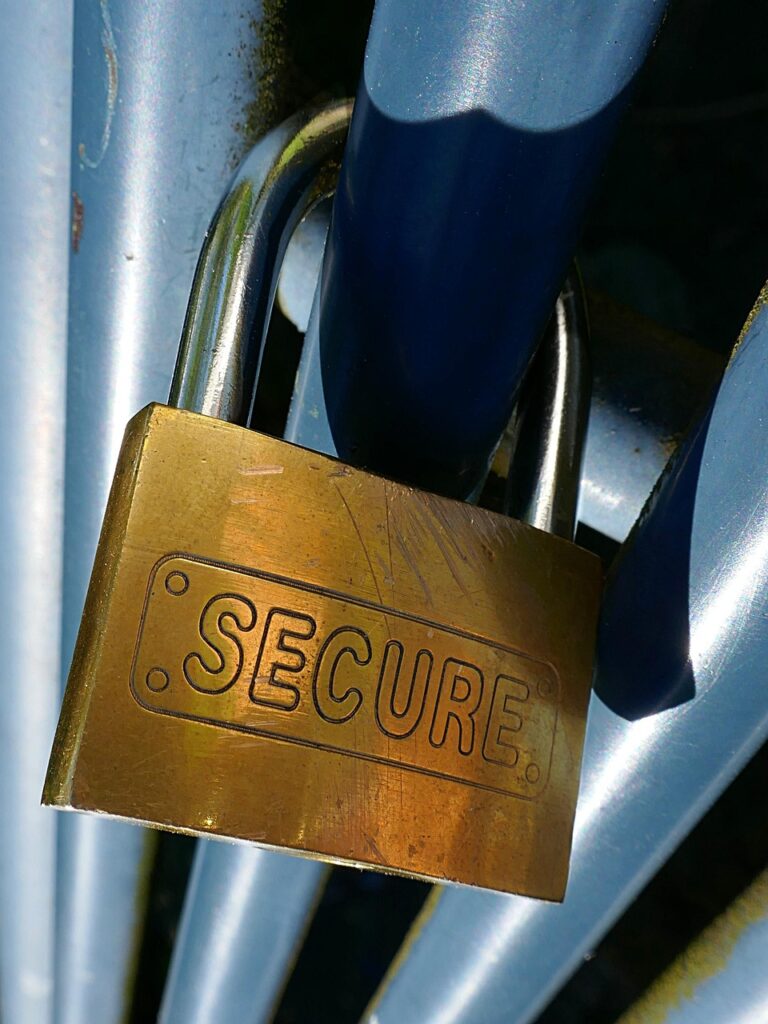
The good news is that protecting yourself doesn’t require a computer science degree. It requires knowledge, consistency, and the right tools. Once you understand the rules and build good habits, crypto security becomes second nature. This article is designed to give you exactly that foundation, whether you’re just getting started or you’ve been investing for years and want to tighten up your practices.
New articles, straight to your inbox.
Join our CRYPTO MAMA’s community and never miss a post.
Join HereThe 10 Rules That Keep Your Investments Safe
Here are the 10 crypto security rules every investor should treat as non-negotiable. Think of these as your personal security framework, not a checklist you complete once and forget.
Rule 1: Use a hardware wallet. If you’re holding any meaningful amount of crypto, it should not be sitting on an exchange or a software wallet. A hardware wallet keeps your private keys offline and away from internet-based threats. Rule 2: Never share your seed phrase. Your seed phrase is the master key to your wallet. No legitimate platform, support team, or person will ever ask for it. Rule 3: Enable two-factor authentication (2FA) on every account. Use an authenticator app like Google Authenticator or Authy rather than SMS-based 2FA, which can be intercepted through SIM swapping attacks.
Rule 4: Use a unique, strong password for every crypto-related account. A password manager makes this manageable. Rule 5: Verify every URL before you log in. Phishing sites are designed to look identical to real ones. Bookmark the official sites you use regularly. Rule 6: Keep your software and devices updated. Security patches exist for a reason. Outdated software is an open door for attackers. Rule 7: Never access your crypto accounts on public Wi-Fi. If you must, use a reputable VPN. Rule 8: Be skeptical of unsolicited messages. Whether it’s a DM on social media, an email, or a text, treat every unsolicited crypto-related message as a potential scam. Rule 9: Diversify where you hold your assets. Don’t keep everything in one wallet or on one exchange. Rule 10: Regularly audit your security setup. Technology and threats evolve. Your security practices should too.

Hardware Wallets and Seed Phrase Best Practices
A hardware wallet is the single most effective tool you can use to protect your crypto holdings. It stores your private keys on a physical device that never connects to the internet, which means even if your computer is completely compromised, your crypto remains safe. Ledger is widely considered the gold standard in hardware wallets. Their devices support thousands of cryptocurrencies, are built with military-grade security chips, and are designed to be user-friendly even for people who aren’t particularly technical. If you’re serious about protecting your investments, a Ledger device is one of the best purchases you can make.
Your seed phrase is the 12 to 24-word recovery phrase generated when you set up your wallet. If you lose your hardware wallet or it gets damaged, this phrase is the only way to recover your funds. It is, without exaggeration, the most important piece of information you will ever write down in your financial life. Store it on paper, not digitally. Never photograph it, type it into your phone, or save it in a cloud document. Consider storing it in two separate secure physical locations, such as a home safe and a safety deposit box.
There are also metal seed phrase storage solutions available that protect your backup from fire and water damage. These are worth investing in if you’re holding significant value. The key principle here is simple: anyone who has your seed phrase has complete access to your wallet. Treat it accordingly. No legitimate support team, no exchange, no wallet provider will ever ask you for it. If anyone does, it’s a scam, full stop.
Protect Your Crypto With the Wallet We Trust.
Get Started with Ledger Today →How to Spot Phishing Scams Before It’s Too Late
Phishing is one of the most common and effective ways crypto investors lose their funds. A phishing attack typically involves a fake website, email, or message designed to trick you into entering your credentials or seed phrase. The fake sites can look almost pixel-perfect compared to the real ones. Scammers buy domain names that are one letter off from legitimate platforms and run Google ads to make sure their fake site appears at the top of search results. This is why bookmarking your frequently visited crypto sites is not optional. It’s essential.
Email phishing is equally dangerous. You might receive an email that appears to come from Binance, Ledger, or another platform you use, warning you of suspicious activity and asking you to log in immediately. These emails are engineered to create panic and urgency so that you act before you think. Always check the sender’s email address carefully, look for subtle misspellings, and never click links in emails. Instead, open your browser and navigate to the site directly. If you use Binance as your exchange, they have built-in anti-phishing code features you can enable in your account settings to help verify legitimate communications.
Social media is another major phishing vector. Fake accounts impersonating crypto influencers, exchanges, or support teams are everywhere. They’ll reach out via DM promising giveaways, investment returns, or offering to help you recover lost funds. None of these are real. Real platforms do not have support staff sliding into your DMs. If someone contacts you out of the blue about your crypto, assume it’s a scam until proven otherwise, and even then, be cautious.



Join Millions of Women Already Investing on Binance. It’s Free to Start.
Get Started with Binance Here →Key Takeaways and Final Security Checklist
Crypto security is not a one-time setup. It’s an ongoing practice that requires attention and consistency. The investors who keep their funds safe over the long term are the ones who treat security as seriously as they treat their investment strategy. The tools and knowledge exist to protect yourself effectively. You just have to use them.
Choosing the right platforms matters too. Using reputable, well-established exchanges with strong security infrastructure reduces your risk significantly. Binance is one of the most widely used exchanges in the world and offers robust security features including 2FA, withdrawal whitelisting, and anti-phishing codes. Pairing a secure exchange with a hardware wallet like Ledger gives you a solid two-layer security foundation that covers both your active trading and your long-term holdings.
The crypto space rewards those who are prepared and penalizes those who are careless. By implementing these 10 rules, you’re not just protecting your money. You’re building the kind of disciplined, informed approach to investing that will serve you well as the market continues to evolve.
Ready to Take Your First Step? Get Your Free Crypto Starter Guide.
Download Your Free Guide Here →Crypto gives you a level of financial autonomy that traditional systems simply can’t match. But that autonomy comes with real responsibility. The rules in this article aren’t complicated, but they require commitment. Start with the basics: get a hardware wallet, secure your seed phrase, enable 2FA, and learn to recognize phishing attempts. Build from there. The investors who thrive in this space long-term are the ones who take security as seriously as opportunity. You’ve already taken the first step by educating yourself. Now put it into practice.
Sources
Ledger — Security Best Practices — ledger.com/academy
Binance — Account Security Guide — academy.binance.com
CoinDesk — Crypto Security Tips — coindesk.com
New articles, straight to your inbox.
Join our CRYPTO MAMA’s community and never miss a post.
Join Here
Disclaimer: This article contains affiliate links. If you purchase a Ledger device or sign up for Binance through the links provided, Yadala may earn a commission at no additional cost to you. This article is for educational purposes only and does not constitute financial or investment advice. Always conduct your own research before making any investment decisions.