remember standing in my kitchen in France, phone in hand, finger hovering over the button that would send real money into something I couldn’t touch, couldn’t see, and honestly didn’t fully understand. My heart was pounding like I was about to do something reckless. I wasn’t. I was about to buy forty euros of Bitcoin. But it felt like jumping off something. If you’ve ever wondered why women don’t trust crypto, that moment in my kitchen is exactly why. It felt like risking money on something invisible, with no one to catch me if I got it wrong.
If that feeling is familiar to you, you are not behind, and you are not alone. A recent survey found that most women still report little to no trust in crypto as an investment, and that number has barely moved even as prices have climbed and headlines have multiplied.
I want to tell you what actually changed my mind, because it wasn’t a chart. It wasn’t a headline. It was something much smaller and much more human, and I think it might do the same for you.
- Most women still report low trust in crypto, though that distrust has eased somewhat over the past few years.
- The biggest barriers aren’t market knowledge. They’re fear of loss and simply not knowing where to start.
- Women are far more likely to trust a person than a headline when it comes to money decisions.
- You don’t need to trust the whole market. You only need to trust your next small step.

The Trust Gap Is Real, and It’s Not About Intelligence
Here’s something that surprised me when I actually looked at the research instead of just feeling it. The hesitation so many of us carry around crypto isn’t about being bad with money or not understanding the technology. The two biggest hurdles reported are fear of losing money and simply not knowing how to start.
That distinction matters more than it sounds like it should. Not knowing how to start isn’t a character flaw. It’s just a gap, and gaps can be closed.
There’s also a quieter number underneath all of this that says a lot. Self-reported confidence in understanding crypto is notably lower among women than men, even though the actual gap in ability is almost certainly much smaller than that confidence gap suggests. We’ve been told, in a thousand small ways, that this isn’t quite our territory. I don’t think that was ever true.



Why We Trust People, Not Headlines
Here’s the part of the research that actually explains why I felt the way I did in that kitchen. When it comes to financial decisions, women lean on people they know far more than men do. Family, in particular, plays an outsized role compared to how men make the same decisions.
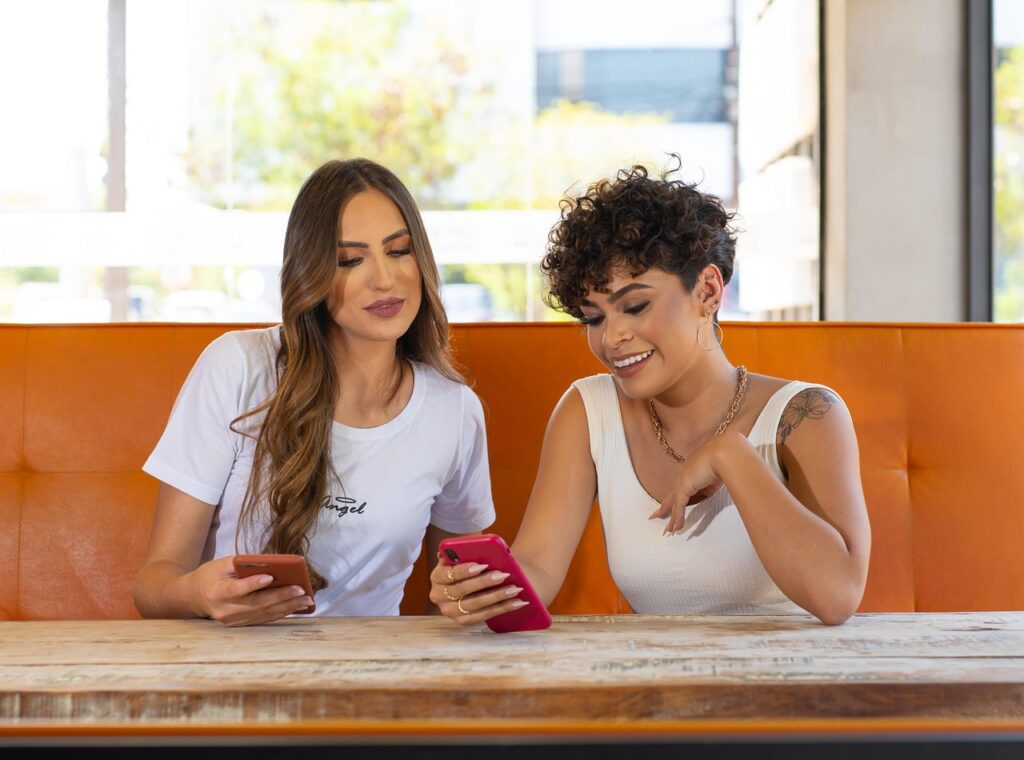
That tracks with my own experience completely. I didn’t get into crypto because of a whitepaper. I got in because someone I trusted walked me through it slowly, answered my nervous questions without making me feel small, and didn’t pressure me to move faster than I was ready to. If you’ve been waiting for a headline or a market chart to convince you, I don’t think that’s coming. I think what actually changes minds is a person, showing their own real decisions, one step at a time. That’s the whole reason I started writing here.
If you want the slower, structured version of how I actually got started, I walked through it in Crypto for Complete Beginners: A Plain English Guide.
What Actually Changed My Mind

It wasn’t one big moment. It was a string of small ones. The first time I bought a tiny amount and watched the transaction actually go through safely. The first time I moved that same tiny amount off an exchange and into a wallet only I controlled, and felt oddly proud of myself for doing something a little technical without panicking.
Somewhere around the fifth or sixth small win, the fear started to loosen its grip. Not because the risk disappeared. Bitcoin is still volatile, and I’m not going to pretend otherwise. But because I stopped needing to trust the entire crypto market all at once, and started just trusting my own ability to take one small step and see what happened.
I think that reframe is the actual answer to the trust problem, more than any statistic or security feature. You don’t have to trust crypto. You have to trust that you can learn one thing at a time, the same way you’ve learned everything else that once felt intimidating.
If you’re wondering how small “small” can be, I wrote about exactly that in The One Strategy That Takes the Stress Out of Buying Bitcoin, which is genuinely the gentlest way I know to begin.
New articles, straight to your inbox.
Whether you’re just curious or already investing, you belong here.
Join HereYou Are Exactly the Right Age to Start This
If you feel like you’ve missed the window, you haven’t. The largest group of women who actually own crypto right now are between forty-five and fifty-nine, with the next biggest group just behind them in their thirties and forties. That’s not a coincidence. That’s women who’ve built enough life experience to know when something is worth a closer look, and enough patience to do it carefully instead of chasing hype.
I think there’s something quietly spiritual in that too. We spend so much of our lives being told to wait for permission. Nobody is coming to hand you a certificate that says you’re ready. You just start, gently, on your own terms.
FAQs
Is it normal to not trust crypto at first?
Completely. Most women report exactly that, and the discomfort tends to fade with small, safe experience rather than with more information alone.
How much money do I need to start?
Far less than you’d think. You can start with the equivalent of a dinner out, which is exactly what I did the first time.
What if I lose money?
You might, especially in the short term, since crypto is genuinely volatile. Starting small is how you make that risk something you can actually live with while you learn.
Do I need to understand the technology to invest?
No. I still don’t fully understand the technical side, and it hasn’t stopped me from investing thoughtfully for years.
Why do women trust crypto less than men, statistically?
It’s less about ability and more about confidence and exposure. Self-reported understanding is lower among women, but that gap reflects experience, not capability.
What’s the very first step if I want to try this?
Pick one small amount you’re genuinely comfortable never seeing again, and take one step. That’s it. Everything else can wait.
Have a question I didn’t cover? Leave it in the comments below and I’ll get back to you.

Not Sure Where to Start? Grab My Free Crypto Starter Guide.
Get the Guide Now →Sources: CivicScience 2026 Women’s Investing Trends Report; Security.org 2026 Cryptocurrency Adoption and Sentiment Report.
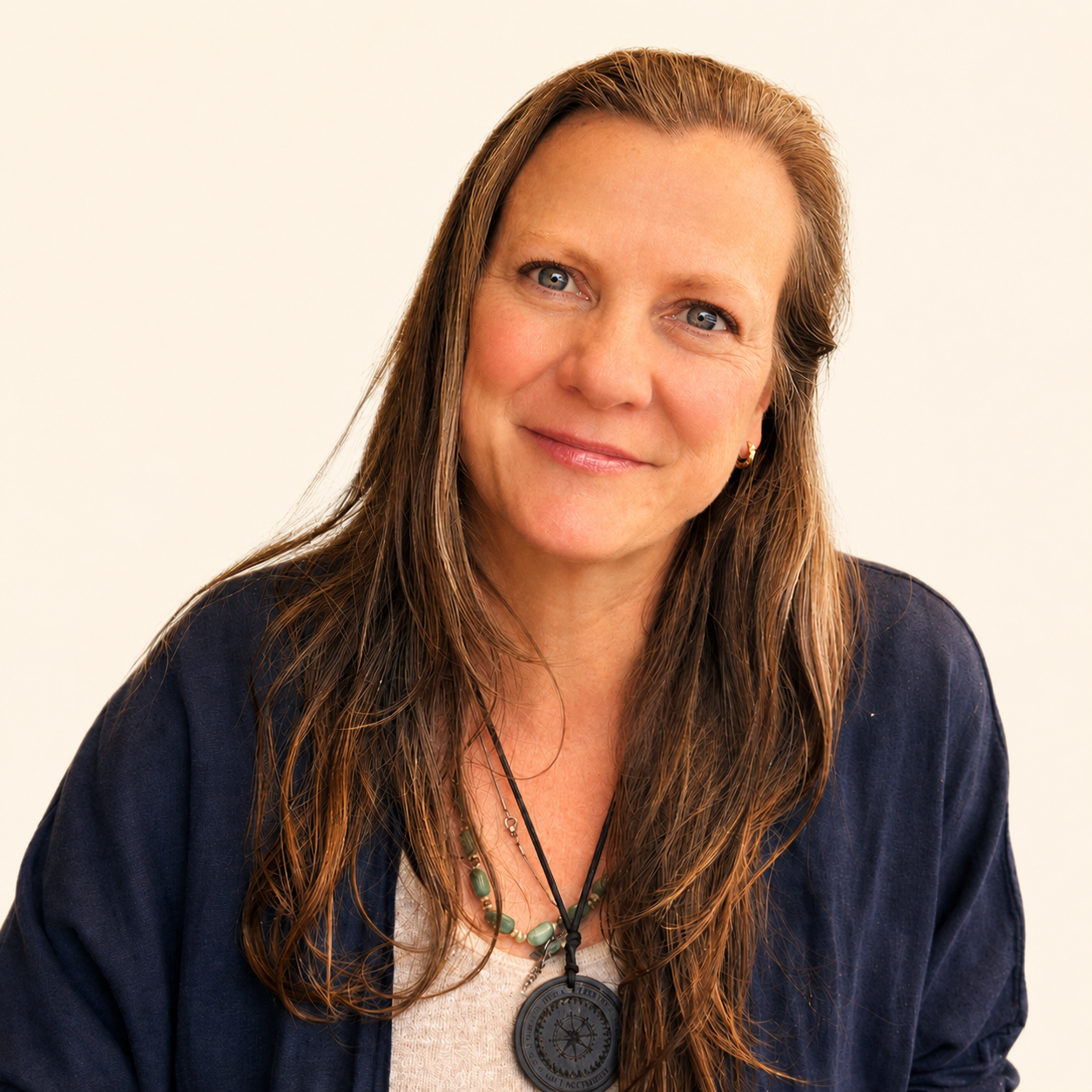
Written by Yana Ballantyne
Founder of Yadala · Crypto Educator · Swiss Real Estate Advisor
Yana is a German-born, Australia-raised investor with two decades of experience across property, shares and crypto. She founded Yadala to make crypto simple and accessible for women — without the jargon or the overwhelm. She recommends platforms she believes in but will never tell you which coin to buy. That decision is always yours.

Disclaimer & Affiliate Disclosure
This article contains affiliate links. If you purchase through these links, I may earn a small commission at no extra cost to you. I only recommend products and services I personally use and genuinely believe in. Your support helps me keep Yadala running and free to read — thank you.
The content on Yadala is for informational and educational purposes only. Nothing here constitutes financial, investment, or legal advice. I am not a licensed financial advisor. All opinions expressed are my own personal views based on my own research at the time of writing.
Cryptocurrency and Bitcoin investments are highly volatile and speculative. The value of digital assets can rise and fall dramatically, and you could lose your entire investment. Regulatory changes may also significantly impact the value or legality of cryptocurrency in your country. Never invest more than you can afford to lose completely.
Yadala and its author accept no liability for any financial loss or damage arising from decisions made based on information in this article. Always conduct your own research and consult a qualified financial advisor before making any investment decisions.