The first time someone tried to explain crypto to me, they mentioned Bitcoin, then Ethereum, then something called Tether, and then Dogecoin — the one with the dog. I smiled and nodded like I was following along, but inside I was completely lost. Were these all the same kind of thing? Were they competitors? Why did one have a dog?
Nobody explained the categories. And once I understood that there are actually distinct types of crypto — each built for a different purpose — the whole landscape suddenly made sense.
That is what this article does. No jargon, no assumptions. Just a plain-English breakdown of every major type of crypto coin, what it does, and what it means for you as someone who is figuring this out.
- Not all crypto is the same — Bitcoin, altcoins, stablecoins, utility tokens, and memecoins are fundamentally different things with different purposes and risk levels.
- Bitcoin is the original cryptocurrency and is widely treated as a long-term store of value due to its fixed supply of 21 million coins.
- Ethereum is the most important altcoin — it is a programmable blockchain that powers a huge portion of the crypto ecosystem.
- Stablecoins like USDT are designed to hold steady value and are useful for reducing exposure to price swings.
- Memecoins like Dogecoin are driven by hype rather than utility. Treat them like a lottery ticket — never more than you can afford to lose entirely.
- Research before you buy anything. Understanding what you own is the most basic form of protection you have.
Bitcoin — Where It All Started
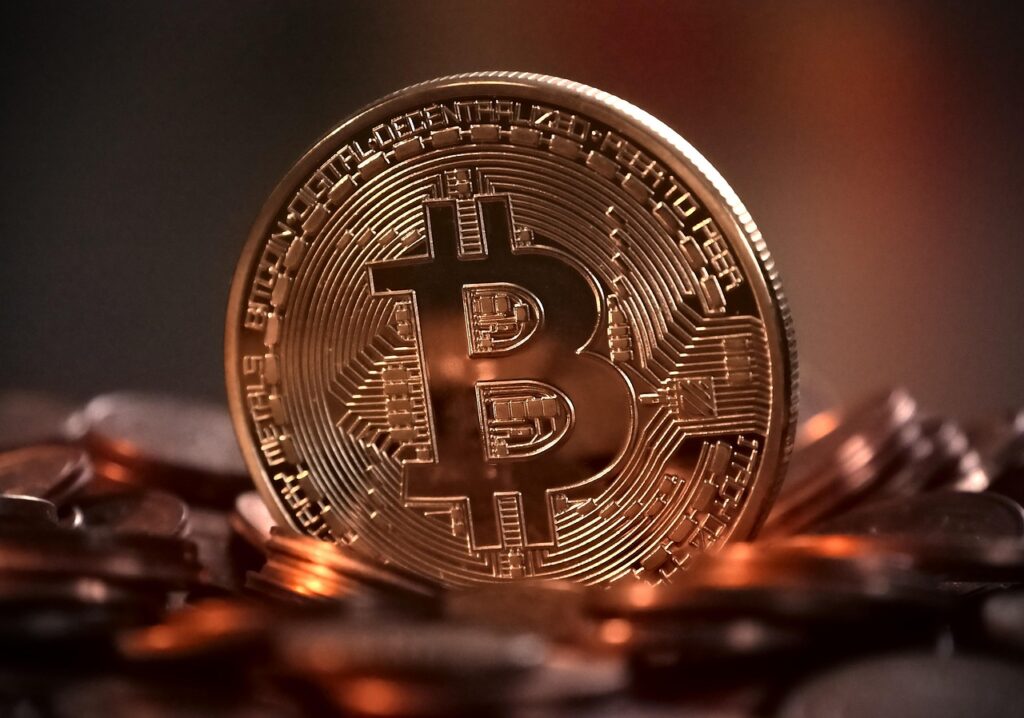
Bitcoin was the first cryptocurrency, created in 2009 by someone using the name Satoshi Nakamoto. Nobody knows for certain who that person or group actually is, which is part of what makes Bitcoin’s origin story so fascinating. It was built as a decentralised form of money — meaning no government or bank controls it. Transactions are recorded on a public blockchain, and there will only ever be 21 million Bitcoin in existence. That hard limit is intentional, and it is a big part of why people compare it to gold.
Most people who hold Bitcoin today treat it as a store of value rather than something they use to buy coffee. The idea is that its scarcity, combined with growing global demand, should help it hold or increase its value over time. That is not a guarantee — Bitcoin is still volatile and its price can swing dramatically in short periods. But compared to most other cryptocurrencies, it has the longest track record, the most widespread recognition, and the deepest liquidity.
For a beginner, Bitcoin is almost always the right place to start. It set the foundation for everything that came after it, and understanding it first makes every other type of crypto easier to understand. If you want a deeper breakdown before you buy anything, our <a href=”https://yadala.io/crypto-101-everything-a-beginner-needs-to-know-before-they-invest/” style=”color:#4B0082;”>Crypto 101 guide</a> covers the full picture.
Altcoins — Everything That Came After Bitcoin
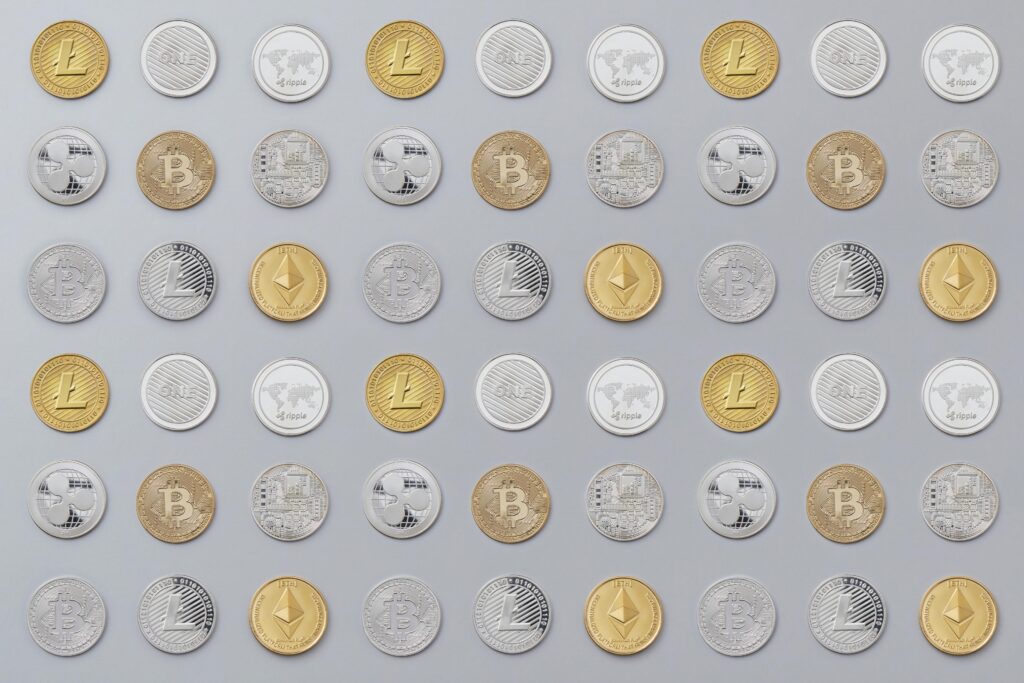
The term altcoin simply means any cryptocurrency that is not Bitcoin. That is a very wide category — it includes thousands of coins with wildly different purposes and levels of credibility.
Ethereum is the most important altcoin and is worth understanding in its own right. It is not just a currency — it is a programmable blockchain, which means developers can build applications directly on top of it. Those applications, called smart contracts and decentralised apps, have made Ethereum the backbone of a huge portion of the crypto ecosystem. If you have heard of NFTs or DeFi (decentralised finance), most of that activity happens on Ethereum. The coin used within the Ethereum network is called Ether, usually referred to as ETH.
Other notable altcoins include Solana, which is known for speed and low transaction fees, Cardano, which prioritises security and sustainability, and Chainlink, which connects blockchain systems to real-world data. Each was built for a specific technical purpose. For beginners, altcoins carry more risk than Bitcoin because they are younger, less established, and more sensitive to market sentiment. That does not mean avoid them entirely — it means do your research before putting money in.
This Is Where I Buy My Bitcoin. It’s Free to Start.
Open Your Binance Account →Stablecoins — Crypto Without the Rollercoaster
Stablecoins are a type of cryptocurrency designed to hold a steady value, usually pegged to a traditional currency like the US dollar. Tether (USDT) and USD Coin (USDC) are the two most widely used. One USDT is intended to always equal one US dollar, give or take a tiny margin. This makes stablecoins useful for people who want to stay within the crypto ecosystem without being exposed to price swings.
People use stablecoins in a few practical ways. Some use them to park money temporarily between trades. Others use them to send money internationally without going through a bank, which can be faster and cheaper in certain situations. Some platforms allow you to earn interest on stablecoins, though that comes with its own risks worth researching carefully.
Stablecoins are not completely without risk — the collapse of TerraUSD in 2022 showed that even pegged coins can fail if the mechanism behind the peg is flawed. The major ones backed by actual dollar reserves have been significantly more stable, but it is worth understanding what backs any stablecoin before you use one.



Utility Tokens — Coins With a Specific Job
Utility tokens are coins that give you access to a specific product or service within a particular platform. Think of them like tokens at an arcade — they do not have universal value, but within that specific environment they are the currency that makes things work.
Binance Coin (BNB) is one of the most well-known examples. It started as a utility token that gave users discounts on trading fees on the Binance platform and has since grown into something significantly more complex. Utility tokens can be interesting investments, but their value is closely tied to the success of the platform they belong to. Understanding that platform matters a great deal before you put money in.
Governance tokens are a related category worth knowing about. These give holders the ability to vote on decisions related to a specific crypto project — like a shareholder vote but for decentralised platforms. They represent a genuinely interesting concept around community ownership. For beginners though, they are probably not the first priority. Get comfortable with the basics first.
New articles, straight to your inbox.
Whether you’re just curious or already investing, you belong here.
Join HereMemecoins — The Honest Truth

Memecoins are cryptocurrencies that started as jokes or internet memes and somehow took on real market value. Dogecoin is the original example — created in 2013 as a lighthearted parody of Bitcoin, featuring the famous Shiba Inu dog from a viral meme. Despite its origins, Dogecoin reached a market cap of tens of billions of dollars at its peak. Shiba Inu coin followed a similar path and attracted a massive online community.
Here is the honest part: memecoins are almost entirely driven by social media hype, celebrity endorsements, and community enthusiasm rather than any underlying technology or real-world utility. That means their prices can spike dramatically and collapse just as fast. People have made money on memecoins. People have also lost everything.
I am not here to tell you to never touch a memecoin. What I will say is this — if you put money into one, treat it the way you would treat a lottery ticket. Fun money, not savings. Never put in more than you would be comfortable seeing go to zero, because that is a real possibility. Make sure your more serious financial foundation is sorted first. If you want to know what happens when people invest based on hype rather than knowledge, our crypto scam article is worth reading before you put a single euro anywhere.
How to Start Exploring Safely
Before you buy any coin, get into the habit of researching first. Binance is one of the most comprehensive platforms for this because it lets you look at a coin’s price history, trading volume, and basic information all in one place. You can set up an account, complete identity verification, and start with very small amounts to get a feel for how everything works without committing significant funds.
Once you have bought crypto, storage is something you need to think about seriously. Keeping your coins on an exchange is convenient, but it means you do not fully control them. A hardware wallet like Ledger stores your crypto completely offline and out of reach of hackers. It is one of the most straightforward ways to take real ownership of your assets once you are ready to move beyond just exploring. Our complete hardware wallet guide explains exactly how they work and why they matter.
This Is the Wallet I Use to Keep My Bitcoin Safe.
Get My Ledger Now →Understanding the different types of crypto coins is one of the most empowering things you can do before putting a single dollar into this space. You do not need to know everything at once — but knowing the difference between a stablecoin and a memecoin, or between Bitcoin and a utility token, puts you in a genuinely stronger position than most people who jump in without that foundation. Take it at your own pace, keep asking questions, and trust that building real knowledge is always worth the time.
New articles, straight to your inbox.
Whether you’re just curious or already investing, you belong here.
Join HereFrequently Asked Questions
What is the difference between a coin and a token? A coin operates on its own blockchain — Bitcoin and Ethereum are coins. A token is built on top of an existing blockchain. Most utility tokens and governance tokens are technically tokens built on the Ethereum network rather than coins with their own infrastructure.
Is Ethereum better than Bitcoin? They serve different purposes so it is not really a comparison of better or worse. Bitcoin is primarily a store of value — digital gold. Ethereum is a programmable platform that powers a huge portion of the crypto ecosystem. Many experienced investors hold both for different reasons.

Are stablecoins safe? The major stablecoins backed by actual dollar reserves like USDC have maintained their peg reliably. However the collapse of TerraUSD in 2022 showed that algorithmic stablecoins carry real risk. Always understand what backs a stablecoin before using one.
Should a beginner buy altcoins? Bitcoin and Ethereum are the most sensible starting points. Altcoins carry more risk because they are younger and more sensitive to market sentiment. Once you understand the basics and have a solid foundation, you can research specific altcoins with real use cases. Avoid anything you cannot explain in one sentence.
Are memecoins worth buying? Only with money you are genuinely comfortable losing entirely. Memecoins are driven by hype rather than utility and can collapse as fast as they rise. They are not a financial strategy — they are speculation. If you enjoy the thrill with a small amount of fun money, that is your choice. Just never let it be money you need.
How do I know which type of crypto to buy first? Start with Bitcoin or Ethereum. Both have the longest track records, the most liquidity, and the most freely available information. Get comfortable with how exchanges work, how wallets work, and how to read a price chart before you venture into anything more complex.
Not Sure Where to Start? Grab My Free Crypto Starter Guide.
Get the Guide Now →Sources
Investopedia — What Is Cryptocurrency: investopedia.com/terms/c/cryptocurrency.asp CoinDesk — Types of Cryptocurrency Explained: coindesk.com CoinTelegraph — Altcoins Guide: cointelegraph.com Binance Academy — Crypto Basics: academy.binance.com Ledger — Hardware Wallet Guide: ledger.com

Written by Yana Ballantyne
Founder of Yadala · Crypto Educator · Swiss Real Estate Advisor
Yana is a German-born, Australia-raised investor with two decades of experience across property, shares and crypto. She founded Yadala to make crypto simple and accessible for women — without the jargon or the overwhelm. She recommends platforms she believes in but will never tell you which coin to buy. That decision is always yours.

Disclaimer & Affiliate Disclosure
This article contains affiliate links. If you purchase through these links, I may earn a small commission at no extra cost to you. I only recommend products and services I personally use and genuinely believe in. Your support helps me keep Yadala running and free to read — thank you.
The content on Yadala is for informational and educational purposes only. Nothing here constitutes financial, investment, or legal advice. I am not a licensed financial advisor. All opinions expressed are my own personal views based on my own research at the time of writing.
Cryptocurrency and Bitcoin investments are highly volatile and speculative. The value of digital assets can rise and fall dramatically, and you could lose your entire investment. Regulatory changes may also significantly impact the value or legality of cryptocurrency in your country. Never invest more than you can afford to lose completely.
Yadala and its author accept no liability for any financial loss or damage arising from decisions made based on information in this article. Always conduct your own research and consult a qualified financial advisor before making any investment decisions.
Thankyou for putting this information out there. I am starting new into this world of crypto and this information explains this world to me really well and you have given me lots to continue to learn from in your resources. Thankyou
So glad it’s been helpful! If you’re just starting out, these two articles are a great next step: What Are NFTs (https://yadala.io/what-are-nfts-and-should-you-care-about-them/) and How Is Crypto Created (https://yadala.io/how-is-crypto-created-and-what-makes-it-grow/). Welcome to the journey! 💜