Last Updated: July 7, 2026
When I decided to move my crypto off the exchange and into a proper hardware wallet, I hit the same wall a lot of women do. I knew I wanted a Ledger, everyone I trusted pointed me there, and then I discovered they make more than one. Suddenly I was staring at the Nano X and the Nano S Plus with no idea which was right for me.
If that is where you are right now, let me save you the confusion I went through. Both are excellent, both are genuinely secure, and honestly you cannot make a bad choice here. But they are built for slightly different people, and once you understand which one you are, the decision makes itself.
So here is my honest, side-by-side breakdown of the two, based on what actually matters when you are protecting your own money.
- Both wallets use the exact same security chip and system, so neither is safer than the other. You are not compromising on protection whichever you pick.
- The Nano X adds Bluetooth, a bigger screen, and a battery, so you can manage your crypto from your phone. It costs more.
- The Nano S Plus is the more affordable, desktop-focused option. Same security, no wireless extras.
- Choose the Nano X if you want mobile access and convenience. Choose the Nano S Plus if you mostly use a computer and want to save money.
- Either one is far safer than leaving your crypto sitting on an exchange, which is the decision that truly matters.

The Quick Version
The Ledger Nano X is the premium model. It has been around since 2019, and it is built for people who want the full package: wireless Bluetooth, a larger screen, a built-in battery, and the freedom to manage their crypto from their phone while they are out and about. Think of it as the flagship, made for active users who value flexibility.
The Nano S Plus is the more affordable, no-frills option. It connects by USB-C cable, has no Bluetooth or battery, and does its job beautifully for people who mainly manage their crypto from a desktop or laptop. It fixed the one big complaint people had about the original Nano S (not enough storage), and it covers everything a long-term holder actually needs.
Most of the time, the choice comes down to two things: your lifestyle and your budget. Check your portfolio often and live on your phone? The Nano X earns its keep. Just want a safe place to park your crypto long-term and do not mind plugging in a cable? The Nano S Plus may be all you will ever need. Let me break it down properly.
How They Actually Differ
The biggest difference is connectivity. The Nano X has Bluetooth, so you can pair it with the Ledger Live app on your iPhone or Android and approve transactions without a cable. That is genuinely handy if you like managing your portfolio from your phone. The Nano S Plus is USB-C only, so you will always need to be near a computer to use it. It works perfectly, it just keeps you tethered.

Both hold a generous number of apps at once, enough to comfortably manage a mixed portfolio of Bitcoin, Ethereum, and plenty of other coins side by side. Both support well over 5,000 coins and tokens as of 2026, so whatever you are holding, compatibility will not be a problem on either device.
The Nano X also has a slightly larger screen, which makes checking transaction details a little easier on the eyes, and its built-in battery is what makes the wireless use possible. The Nano S Plus draws power from whatever you plug it into, so there is no battery to worry about. Neither screen is glamorous, but both show you enough to verify a transaction before you confirm it, which is the whole point.
What About Security?
Here is the part that matters most, and the good news is simple: on security, the two devices are essentially equal. Both use Ledger’s Secure Element chip, the same kind of tamper-resistant chip found in passports and bank cards, which keeps your private keys locked away in an isolated environment. Even if someone physically stole your device, getting the keys out without your PIN would be extremely difficult. Both also require you to physically press a button to approve every transaction, which shuts down remote attacks.
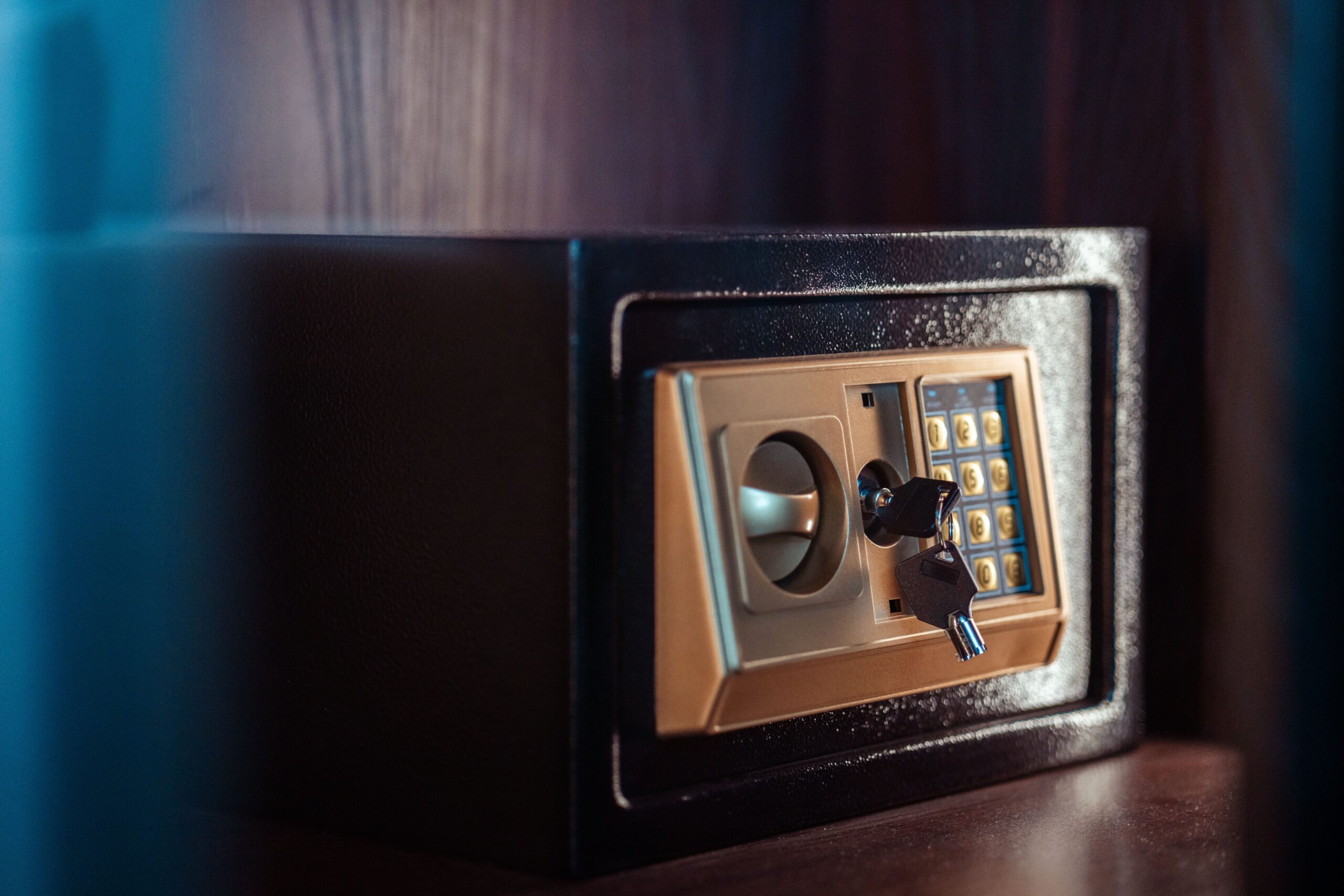
Both run Ledger’s own operating system, which keeps each app walled off from the others so a problem in one cannot reach the rest. And both are certified by ANSSI, the French cybersecurity agency, which is an independent stamp of approval on their security claims rather than just Ledger’s own word.
The one question people always ask is whether the Nano X’s Bluetooth creates a weak spot. It does not, in practice. Your private keys and sensitive operations never travel over the Bluetooth connection, only encrypted, non-sensitive data does. That said, if the very idea of any wireless connection makes you uneasy, the wired-only Nano S Plus will give you extra peace of mind. For most people, the Nano X’s Bluetooth is considered safe and has never been the source of a known exploit.
Price and Value
As of 2026, the Nano X usually retails around $149, while the Nano S Plus sits closer to $79. That is a real gap, and it is often the first thing people notice. Whether it is worth it comes down to whether you will actually use the extra features. If you know you will never connect your wallet to your phone and you are happy working from a desktop, paying the extra for Bluetooth starts to feel unnecessary.
But value is not only about the upfront price. The Nano X’s wireless freedom and larger screen genuinely improve the daily experience for mobile-focused users, and the battery lets you use it without any cables at all. If you actively trade or simply prefer working from your phone, that premium can easily be worth it over the years you will own the device.
The Nano S Plus, though, is outstanding value. You get the same security chip, the same operating system, the same coin support, and essentially the same protection as the flagship, just without the wireless extras. For a long-term holder who rarely needs to touch their wallet, it is genuinely hard to beat at the price. It is a serious security tool that does not cost serious money.

So Which One Is Right for You?
Let me make it simple. If you manage your crypto mainly from your phone, travel often, or just want the most convenient experience Ledger offers, the Nano X is your device. The Bluetooth is not a gimmick, it genuinely changes how you use your wallet when you are away from your desk, and the bigger screen and battery make it more comfortable day to day.
If you manage your crypto from a computer, you are a long-term holder who rarely touches your wallet, or you are working to a tighter budget, the Nano S Plus is the smarter buy. You give up nothing on security, and the coin support is the same. Plenty of experienced users actually prefer its simplicity, because fewer features means fewer things to think about.
And there is a third option some people go for: owning both. They use the Nano X as their everyday wallet and keep the Nano S Plus as a dedicated cold-storage backup for larger holdings. It might sound like overkill, but having a backup is a genuine security strategy. Whichever way you go, remember the real headline: either Ledger is worlds safer than leaving your crypto on an exchange, and that is the decision that counts most.
If you want to go deeper before you decide, I have a full Ledger Nano X review, and if you are still weighing up whether you even need a hardware wallet at all, start with my guide to hardware wallets. Not sure Ledger is the brand for you? My Ledger vs Trezor comparison weighs it against the other big name.
This Is the Wallet I Use to Keep My Bitcoin Safe.
Get My Ledger Now →Frequently Asked Questions
Is the Nano X more secure than the Nano S Plus?
No. Both use the same Secure Element chip, the same operating system, and the same ANSSI certification. Neither is safer than the other. The differences are about convenience and price, not security.
Do I really need Bluetooth on a hardware wallet?
Only if you want to manage your crypto from your phone. If you are happy using a computer, you will not miss it, and the Nano S Plus will save you money. Your private keys never travel over Bluetooth, so it does not weaken security if you do choose the Nano X.

Which one is better for a complete beginner?
For most beginners who mostly use a computer, the Nano S Plus is the sensible starting point. It is cheaper, simpler, and just as secure. If you know you want to manage everything from your phone, the Nano X is worth the extra.
Can I use the Nano S Plus with my phone?
Only with a USB-C cable connection on compatible Android devices. It has no Bluetooth, so for full, cable-free mobile use you would want the Nano X.
How much do they cost?
As of 2026, the Nano X is around $149 and the Nano S Plus is around $79. Prices vary by region and by any bundles Ledger is running, so check the current price before you buy.
Is it worth buying both?
For most people, no, one is plenty. Some experienced holders keep a Nano X for everyday use and a Nano S Plus as a separate cold-storage backup, but that is an optional strategy for larger portfolios, not a beginner requirement.
Sources
- Ledger — Official Nano X and Nano S Plus product specifications
- ANSSI (French National Cybersecurity Agency) — Security certification
- Ledger — Supported coins and Ledger Live documentation
Not Sure Where to Start? Grab My Free Crypto Starter Guide.
Get the Guide Now →New articles, straight to your inbox.
Whether you’re just curious or already investing, you belong here.
Join Here
Written by Yana Ballantyne
Founder of Yadala · Crypto Educator · Swiss Real Estate Advisor
Yana is a German-born, Australia-raised investor with two decades of experience across property, shares and crypto. She founded Yadala to make crypto simple and accessible for women, without the jargon or the overwhelm. She recommends platforms she believes in but will never tell you which coin to buy. That decision is always yours. Want to talk through your situation? Reach her through the Contact page.

Disclaimer & Affiliate Disclosure
This article contains affiliate links. If you purchase through these links, I may earn a small commission at no extra cost to you. I only recommend products and services I personally use and genuinely believe in. Your support helps me keep Yadala running and free to read, thank you.
The content on Yadala is for informational and educational purposes only. Nothing here constitutes financial, investment, or legal advice. I am not a licensed financial advisor. All opinions expressed are my own personal views based on my own research at the time of writing.
Cryptocurrency and Bitcoin investments are highly volatile and speculative. The value of digital assets can rise and fall dramatically, and you could lose your entire investment. Regulatory changes may also significantly impact the value or legality of cryptocurrency in your country. Never invest more than you can afford to lose completely.
Yadala and its author accept no liability for any financial loss or damage arising from decisions made based on information in this article. Always conduct your own research and consult a qualified financial advisor before making any investment decisions.