How to Store Your Crypto Safely in 2026
Key Takeaways
Cold storage, keeping your crypto completely offline, remains the safest method for protecting large or long-term holdings in 2026.
Hot wallets are convenient for everyday use but should only hold what you need short term, never the bulk of your portfolio.
Always buy hardware wallets like Ledger directly from the manufacturer — never second-hand or from unofficial sellers.
Use an authenticator app or physical security key for two-factor authentication, never SMS, which is vulnerable to SIM swapping.
There are no chargebacks or fraud protection in crypto — if funds are stolen, they are almost always gone for good, which is why prevention matters more than anywhere else in finance.
Cryptocurrency has come a long way since the early days of scribbled seed phrases on napkins and forgotten hard drives buried in landfills. In 2026, the stakes are higher than ever — more people are holding digital assets, more sophisticated attacks are targeting everyday investors, and the regulatory landscape has shifted in ways that put more responsibility squarely on your own shoulders. Whether you’re holding a modest stack of Bitcoin or managing a diverse portfolio of altcoins and tokens, understanding how to store your crypto safely isn’t just smart — it’s essential. This guide breaks down everything you need to know to keep your assets secure in the current environment.
New articles, straight to your inbox.
Join our CRYPTO MAMA’s community and never miss a post.
Join HereWhy Safe Crypto Storage Matters More Than Ever
The crypto space has matured considerably, but that maturity has come with a darker side. Hackers, scammers, and bad actors have matured right alongside it. In 2026, we’re seeing increasingly sophisticated phishing operations, AI-generated social engineering attacks, and even targeted SIM swapping campaigns that can drain wallets in minutes. The tools available to bad actors today would have seemed like science fiction just a few years ago, which means your old security habits probably aren’t cutting it anymore.
Beyond the threat landscape, the sheer amount of value stored in digital wallets has exploded. Institutional adoption, the normalization of Bitcoin ETFs, and a new wave of retail investors entering the market have pushed total crypto market capitalization to staggering new heights. That kind of money attracts serious criminal attention, and the days of flying under the radar with a small wallet are largely over. Even modest holdings are now worth targeting if the entry point is easy enough.
There’s also a fundamental truth about crypto that makes storage so uniquely critical: there are no chargebacks, no customer service lines, and no fraud protection departments. If your funds are stolen or lost, they’re almost certainly gone forever. Unlike a compromised credit card where your bank can reverse the transaction, a drained crypto wallet is the end of the road. That reality alone should be enough to make you take storage seriously — and this guide is here to help you do exactly that.
Protect Your Crypto With the Wallet We Trust.
Get Started with Ledger Today →Cold Storage Still Reigns as the Safest Option
Cold storage refers to keeping your cryptocurrency completely offline, disconnected from the internet and therefore unreachable by remote attackers. It’s the gold standard of crypto security, and in 2026, it remains the single most effective method for protecting large or long-term holdings. The basic principle hasn’t changed — you’re removing the digital attack surface entirely — but the tools and best practices around it have gotten significantly better.
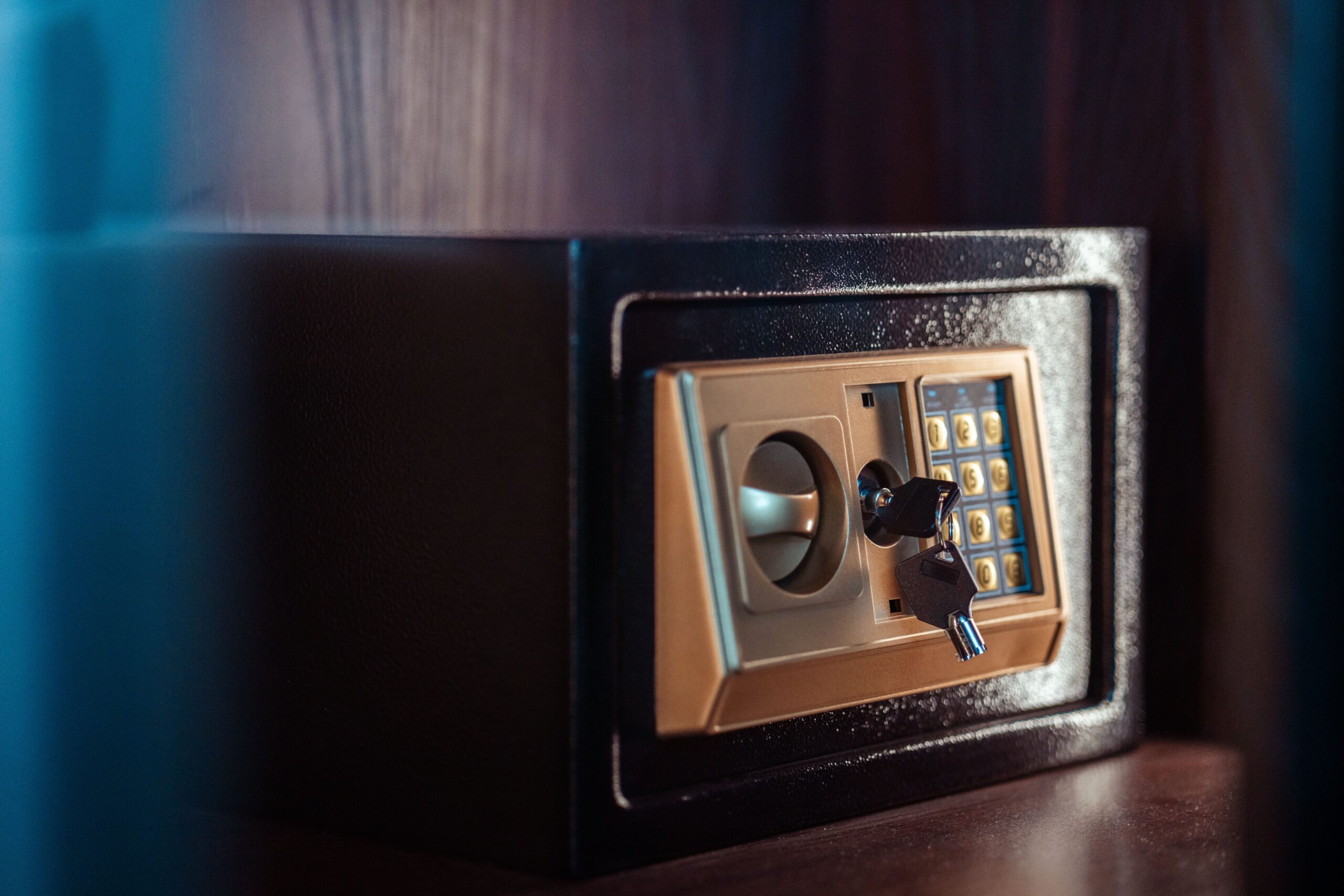
The most traditional form of cold storage is a paper wallet or a metal backup of your seed phrase. Writing down your 12 or 24-word recovery phrase and storing it somewhere physically secure — think a fireproof safe, a safety deposit box, or even a stamped metal plate — means your funds are only as vulnerable as the physical world around them. That’s a much smaller attack surface than anything connected to the internet. The catch is that physical security becomes your entire security model, so you need to think carefully about who has access and what happens if your backup is destroyed or lost.
In 2026, many serious holders are using a combination approach: a hardware wallet for the primary access method, backed up by a metal seed phrase stored in multiple secure locations. Some are even splitting their seed phrase using schemes like Shamir’s Secret Sharing, which divides the phrase into multiple parts where a certain number of parts are needed to reconstruct the whole. It sounds complex, but for anyone holding significant value, this kind of layered physical security is absolutely worth the effort and setup time.

Hot Wallets Are Handy But Come With Real Risks
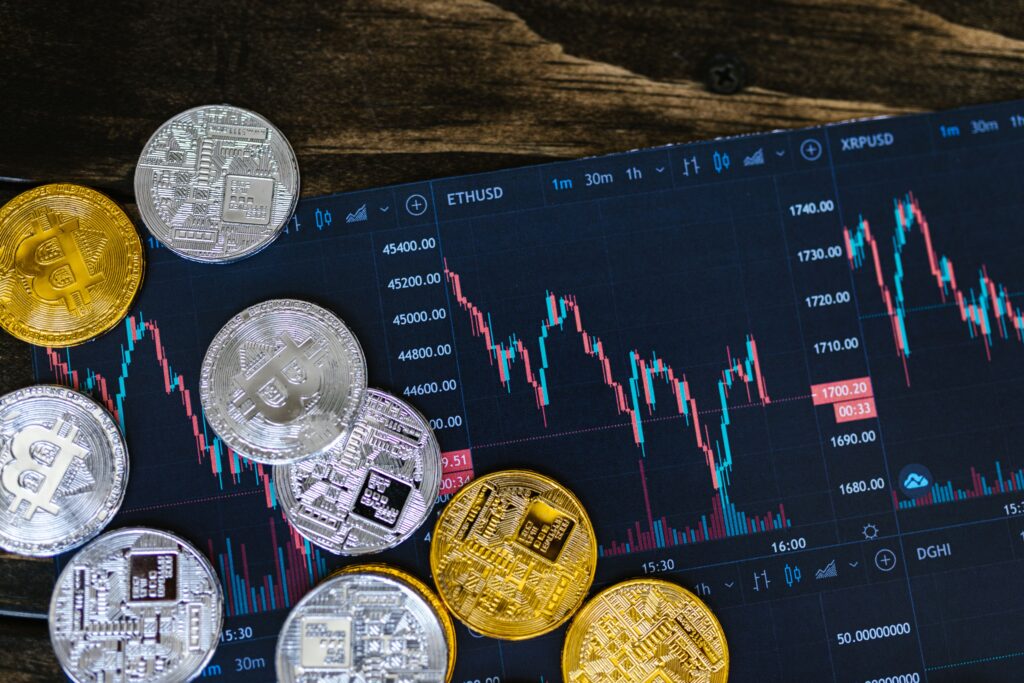
Hot wallets — software wallets connected to the internet — are the everyday checking accounts of the crypto world. Apps like MetaMask, Trust Wallet, Phantom, and dozens of others let you interact with decentralized applications, swap tokens, and send funds with remarkable ease. That convenience is genuinely valuable, especially if you’re actively using DeFi protocols or trading regularly. But that same connectivity is also what makes them fundamentally riskier than cold storage options.
The primary danger with hot wallets is that they exist in an environment full of threats. Malicious browser extensions, compromised websites, clipboard hijacking malware, and phishing sites that look pixel-perfect like the real thing are all very real dangers in 2026. All it takes is one wrong click on a fake MetaMask update prompt or one malicious smart contract approval to hand an attacker access to everything in that wallet. The attack vectors have multiplied dramatically as the ecosystem has grown, and staying safe requires constant vigilance.
The smart approach is to treat your hot wallet like a physical wallet — keep only what you need for near-term use in it, and never store the bulk of your holdings there. Think of it as the cash you carry around versus the savings you keep in the bank. If your hot wallet gets compromised, you want the damage to be limited. Use a dedicated device if possible, keep your software updated religiously, and never import your seed phrase anywhere you don’t completely trust. Hot wallets are a tool, not a vault — use them accordingly.
Join Millions of Women Already Investing on Binance. It’s Free to Start.
Get Started with Binance Here →Hardware Wallets Worth Buying and Setting Up Right
Setting up your hardware wallet correctly is just as important as choosing the right one. When generating your seed phrase, do it in a private location away from cameras and prying eyes — this includes your own phone’s camera. Write the phrase down on paper immediately, verify it carefully, and then transfer it to a more durable medium like a metal backup plate. Never photograph your seed phrase, never type it into any website or app (unless you’re specifically recovering onto a new device), and never share it with anyone for any reason. The setup process might feel tedious, but this is the moment that determines the security of everything that follows.

Hardware wallets are small physical devices that store your private keys offline while still allowing you to sign transactions when connected to a computer or phone. In 2026, the two dominant players remain Ledger and Trezor, though newer competitors like Coldcard and Keystone have carved out strong niches, particularly among Bitcoin maximalists and security-conscious users who prefer fully open-source solutions. Each has its strengths, and choosing the right one depends on what assets you hold and how technical you’re willing to get.
When buying a hardware wallet, the single most important rule is to buy directly from the manufacturer or an authorized retailer. Never buy second-hand from a marketplace like eBay or from unofficial third-party sellers. Tampered devices with pre-loaded malware or pre-generated seed phrases have been used in scams before, and in 2026 these attacks have become more sophisticated. When your device arrives, inspect the packaging carefully for any signs of tampering, and follow the setup instructions exactly as provided by the manufacturer’s official website.
Daily Security Habits That Keep Your Crypto Safe
Good security isn’t just about the tools you use — it’s about the habits you build and maintain over time. One of the most impactful things you can do in 2026 is use a dedicated device for your crypto activities. A cheap laptop or tablet that you use exclusively for managing your wallet, signing transactions, and accessing crypto-related services dramatically reduces your exposure to the kind of everyday malware and spyware that comes from general web browsing, gaming, or downloading random apps.
Two-factor authentication is non-negotiable, but not all 2FA is created equal. SMS-based 2FA is still surprisingly common, but it’s also vulnerable to SIM swapping attacks where someone convinces your carrier to transfer your phone number to their device. Use an authenticator app like Authy or Google Authenticator instead, or better yet, a physical security key like a YubiKey for your most critical accounts. This applies not just to your exchange accounts but to your email, which is often the master key that unlocks everything else.
Finally, stay informed and stay skeptical. The crypto space moves fast, and new attack vectors emerge regularly. Follow reputable security researchers and news sources, and cultivate a healthy paranoia about unsolicited messages, unexpected token approvals, and anything that feels slightly off. Legitimate projects and services will never ask for your seed phrase, will never DM you first about a problem with your account, and will never offer you something too good to be true. In 2026, the best security tool you have isn’t a hardware wallet or a fireproof safe — it’s your own well-trained instincts.
Ready to Take Your First Step? Get Your Free Crypto Starter Guide.
Download Your Free Guide Here →Storing cryptocurrency safely in 2026 is genuinely achievable for anyone willing to put in a little time and thought. The core principles haven’t changed — keep the bulk of your holdings in cold storage, use hot wallets only for what you need day-to-day, buy hardware wallets from trusted sources and set them up carefully, and build consistent security habits that become second nature. The threats are real and they’re serious, but they’re also largely avoidable when you understand what you’re up against. The crypto world puts the responsibility of security firmly in your hands, and that’s actually a powerful thing — it means your assets are as safe as you decide to make them. Start with the basics, layer up your security over time, and don’t wait for a close call to take this seriously.

Frequently Asked Questions
What is the safest way to store crypto in 2026?
A hardware wallet like Ledger combined with a metal backup of your seed phrase is widely considered the safest method. This keeps your private keys completely offline while giving you a durable backup that survives fire, water, or physical damage.
What is the difference between a hot wallet and cold storage?
A hot wallet is connected to the internet and convenient for everyday transactions, but more vulnerable to hacks and malware. Cold storage keeps your private keys completely offline, making it far more secure for holding significant amounts long term.
Should I keep all my crypto in a hardware wallet?
For the bulk of your holdings, yes. It is sensible to keep a small amount in a hot wallet or exchange for active trading or spending, while the majority of your assets stay secured offline in a hardware wallet where remote attackers cannot reach them.
What happens if I lose my seed phrase?
If you lose your seed phrase and your hardware wallet is lost, stolen, or damaged, your crypto is permanently inaccessible. This is why writing it down accurately, storing it securely in a physical location, and considering a durable metal backup is so important.
Is SMS two-factor authentication safe enough for crypto?
No, SMS-based 2FA is vulnerable to SIM swapping attacks, where someone convinces your phone carrier to transfer your number to their device. Use an authenticator app like Google Authenticator or Authy instead, or a physical security key for your most important accounts.
Sources
Ledger — Hardware Wallet Security — ledger.com
Investopedia — Cold Storage vs Hot Wallets — investopedia.com
CoinDesk — Crypto Security Best Practices — coindesk.com
New articles, straight to your inbox.
Join our CRYPTO MAMA’s community and never miss a post.
Join Here
Disclaimer: This article is for informational purposes only and does not constitute financial advice. Always conduct your own research before making any investment decisions. This article may contain affiliate links, and the author may receive compensation if you make a purchase through those links. Investing in cryptocurrency carries significant risk, and you should never invest more than you can afford to lose.