Everything You Need to Start Trading Crypto: A Complete Beginner’s Checklist
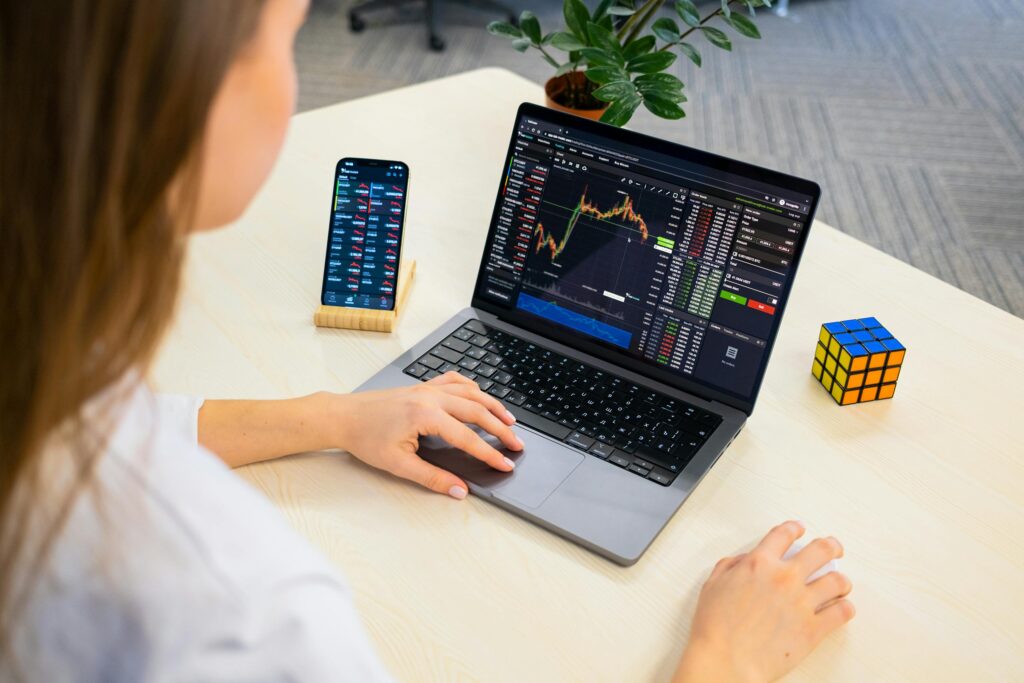
If you have been watching crypto from the sidelines and wondering whether now is the right time to actually do something about it, this guide is for you. Learning how to start trading crypto does not have to be overwhelming, but it does require that you understand the tools and steps involved before you put a single dollar on the line. This checklist walks you through everything you need to know before making your first trade, from choosing a platform to protecting your assets properly.
What a Crypto Exchange Is and How to Choose One
A crypto exchange is an online platform where you can buy, sell, and trade cryptocurrencies. Think of it like a stock brokerage, but for digital assets. Instead of trading shares of Apple or Tesla, you are trading assets like Bitcoin, Ethereum, or hundreds of other tokens. The exchange acts as the middleman, matching buyers with sellers and handling the transaction infrastructure.
Choosing the right exchange matters more than most beginners realize. You want to look for a platform with strong security practices, a solid regulatory track record, reasonable fees, good liquidity, and an interface that does not make your eyes cross. Some exchanges are built for professionals and feel like a cockpit. Others are designed with clarity in mind, which makes them far more practical when you are just getting started.
For most beginners, Binance is a strong starting point. It is one of the largest exchanges in the world by trading volume, supports a wide range of cryptocurrencies, has competitive fees, and offers both a simplified interface and more advanced tools as you grow. Signing up takes about ten minutes, and the platform has solid educational resources built in. It is not perfect for every user in every country, so always check whether it operates in your jurisdiction before registering.
KYC Verification: What It Is and Why It Matters
KYC stands for Know Your Customer. It is a legal requirement that financial platforms use to verify the identity of their users. When you sign up for a crypto exchange, you will almost certainly be asked to submit a government-issued ID, sometimes a selfie, and occasionally proof of address. This is not the platform being nosy. It is a regulatory obligation.
The reason KYC exists in crypto is the same reason it exists in traditional banking: to prevent money laundering, fraud, and the financing of illegal activity. Crypto has had a reputation for being used to move money anonymously, and regulators around the world have pushed exchanges hard to implement proper identity checks. Most reputable platforms now require full KYC before you can deposit, trade, or withdraw funds above a minimal threshold.
From a practical standpoint, completing KYC is in your best interest. It protects you if you ever need to recover your account, and it keeps your funds accessible without hitting withdrawal limits. The process is usually quick, often completed within minutes if your documents are clear. Do not skip it or try to work around it. Using a verified account on a regulated exchange is one of the simplest ways to protect yourself as a new trader.
Crypto Wallets, Seed Phrases, and Keeping Keys Safe
A crypto wallet is a tool that stores your private keys, which are the cryptographic codes that prove you own your cryptocurrency. Contrary to what the name suggests, a wallet does not actually hold your crypto. The crypto lives on the blockchain. The wallet holds the keys that give you access to it. Lose the keys, and you lose access to your funds, permanently.
There are two main types of wallets: hot wallets and cold wallets. A hot wallet is connected to the internet. This includes the built-in wallets on exchanges, browser extensions like MetaMask, and mobile apps. They are convenient for regular trading but carry more risk because they are always online. A cold wallet, also called a hardware wallet, is a physical device that stores your keys offline. This makes it far more resistant to hacking.
If you are serious about holding crypto beyond a few days or weeks of trading, a hardware wallet is worth the investment. Ledger is one of the most trusted names in hardware wallets. Their devices keep your private keys offline and require physical confirmation for any transaction. When you set up any wallet, you will be given a seed phrase, which is typically a list of 12 or 24 random words. This phrase is the master key to your wallet. Write it down by hand, store it somewhere physically secure, and never share it with anyone or store it digitally. Anyone who has your seed phrase has your crypto.
Trading Pairs, Market Orders, and Limit Orders Explained
When you trade crypto, you are not just buying a coin in isolation. You are trading one asset for another, and this is expressed as a trading pair. For example, BTC/USDT means you are trading Bitcoin against Tether, a stablecoin pegged to the US dollar. The first asset in the pair is what you are buying or selling, and the second is what you are using to buy or sell it. Most beginners start by trading against stablecoins like USDT or USDC because it keeps the pricing familiar.
A market order is the simplest type of trade. You tell the exchange to buy or sell immediately at whatever the current market price is. It executes fast, but you have no control over the exact price you get. In a volatile market, the price can shift between the moment you place the order and when it fills. This is called slippage, and it can work for or against you.
A limit order gives you more control. You set a specific price at which you want to buy or sell, and the order only executes if the market reaches that price. If you want to buy Bitcoin at $60,000 but it is currently trading at $62,000, you place a limit buy order at $60,000 and wait. If the price drops to that level, your order fills. If it never does, the order stays open until you cancel it. For most beginners, using limit orders is a more disciplined approach because it forces you to think about the price you actually want before you act.
How to Move Your Crypto Off an Exchange Safely
Keeping your crypto on an exchange is convenient, but it comes with real risk. Exchanges have been hacked before, and if a platform goes under or freezes withdrawals, you have no direct access to your assets. The phrase “not your keys, not your coins” exists for a reason. Once you have more than a small amount of crypto that you plan to hold for any length of time, moving it to your own wallet is the responsible move.
To withdraw crypto from an exchange like Binance, navigate to your wallet section, select the asset you want to withdraw, and enter the destination wallet address. This is where you need to be extremely careful. Crypto transactions are irreversible. If you send funds to the wrong address, they are gone. Always copy and paste wallet addresses rather than typing them manually, and always double-check the first and last few characters of the address before confirming. Some malware is designed to swap clipboard addresses, so verifying is not optional.
You also need to select the correct network when withdrawing. For example, Ethereum can be sent over multiple networks, and sending it on the wrong one can result in lost funds if the receiving wallet does not support that network. When in doubt, send a small test transaction first, confirm it arrives, and then send the remainder. It costs a little extra in fees but can save you from a costly mistake. Moving crypto safely is a skill, and the first few times you do it, going slowly is the right approach.
Key Takeaways
- Choose a regulated exchange with strong security. Binance is a solid starting point for most beginners due to its size, liquidity, and range of supported assets.
- Complete KYC verification. It is required on reputable platforms and protects your account access and withdrawal rights.
- Understand the difference between hot and cold wallets. For anything beyond short-term trading, a hardware wallet like Ledger provides meaningful security by keeping your keys offline.
- Protect your seed phrase above everything else. Write it down, store it physically, and never share it or store it online.
- Learn how orders work before you trade. Knowing the difference between a market order and a limit order helps you trade with intention rather than impulse.
Getting started with crypto is not complicated, but it does require that you build the right foundation before you start moving money around. Understanding how exchanges work, why identity verification matters, how to store your assets securely, and how to execute a trade properly puts you in a far stronger position than most people who jump in without doing the groundwork. Take the time to set things up correctly, and you will have a much more confident and controlled experience as you learn.
Disclaimer: This article is for educational purposes only and does not constitute financial advice. Cryptocurrency trading involves significant risk, and you may lose some or all of your investment. Always do your own research and consider consulting a qualified financial advisor before making any investment decisions. Some links in this article are affiliate links, meaning Yadala may earn a commission if you sign up or make a purchase through them, at no additional cost to you.