Crypto has changed the way millions of people think about money, investing, and financial freedom. But for every genuine opportunity in the space, there’s at least one bad actor waiting to take advantage of someone who doesn’t know what to look for. Scams in the crypto world have become increasingly sophisticated, and they’re no longer just targeting tech-naive newcomers — even experienced investors have been burned. Whether you’re just getting started or you’ve been in the space for a while, knowing how to identify a scam before you lose your money is one of the most important skills you can develop.
Key Takeaways
- Guaranteed returns, urgency, and unsolicited contact are the three classic scam red flags
- Fake exchanges and wallets mimic real platforms almost perfectly. Always double-check URLs and only download wallet apps from official sites
- Rug pulls are common in DeFi. Check team transparency, audits, and token distribution before investing
- A hardware wallet like Ledger keeps your assets safe even if an exchange is hacked
- If scammed, stop sending money immediately, document everything, and report it. There is never a fee to “unlock” your funds

New articles, straight to your inbox.
Whether you’re just curious or already investing, you belong here.
Join HereWhy Crypto Scams Are Exploding Right Now

The sheer volume of crypto scams has reached staggering levels in recent years. According to CoinDesk, consumers lost over $5.6 billion to crypto-related fraud in 2023 alone, a figure that represents a 45% increase from the previous year. The decentralized and largely unregulated nature of the crypto market makes it an ideal hunting ground for fraudsters, who can operate across borders with minimal accountability.
A big part of why scams are multiplying so quickly right now is the accessibility of crypto itself. More people than ever are downloading wallets, signing up for exchanges like Binance, and experimenting with DeFi protocols — and many of them are doing so without a full understanding of how these systems work. That knowledge gap is exactly what scammers exploit. They prey on excitement, FOMO (fear of missing out), and the very real desire to make life-changing returns.
Social media has also turbocharged the spread of fraudulent schemes. Platforms like YouTube, Telegram, Discord, and X (formerly Twitter) are flooded with fake giveaways, impersonator accounts, and pump-and-dump groups that can rope in thousands of victims before anyone sounds the alarm. The speed at which information — and misinformation — travels online means scams can scale faster than regulators or platforms can shut them down.
This Is the Wallet I Use to Keep My Bitcoin Safe.
Get My Ledger Now →The Classic Red Flags You Should Never Ignore
Some warning signs have been around since the early days of Bitcoin, and they’re still just as dangerous today. The most obvious one is the promise of guaranteed returns. No legitimate investment — crypto or otherwise — can guarantee profits. When a project, influencer, or platform tells you that you’ll definitely make 10%, 50%, or 100% returns, that’s a massive red flag. As Investopedia points out, guaranteed returns are one of the hallmark signs of a Ponzi scheme.
Another classic red flag is urgency and pressure. Scammers love to manufacture a sense of scarcity or a ticking clock. “This offer expires in 24 hours.” “Only 10 spots left.” “Act now or miss out forever.” This kind of language is designed to short-circuit your critical thinking and push you into making a decision before you’ve had time to do your research. Legitimate projects don’t need to pressure you into participating.
Unsolicited contact is another warning sign that should make you immediately suspicious. If someone reaches out to you out of the blue — whether through a DM on social media, an email, or even a text message — promising you an exclusive investment opportunity, walk away. This is especially common in what’s known as “pig butchering” scams, where fraudsters build a fake relationship with a victim over weeks or even months before introducing the investment angle. CoinTelegraph has covered numerous cases where victims lost their entire life savings to these long-con schemes.

This Is Where I Buy My Bitcoin. It’s Free to Start.
Open Your Binance Account →How Fake Exchanges and Wallets Trick You
Fake exchanges and wallets are among the most technically convincing scams out there, and they’ve fooled people who should have known better. These fraudulent platforms are designed to look almost identical to legitimate services. They’ll mimic the branding, the interface, and even the URL of a well-known exchange, with just a subtle difference — maybe one letter off in the domain name or a slightly different extension. Once you deposit funds, you’ll either never be able to withdraw them or the site will simply disappear overnight.
Fake wallet apps are another serious threat. The Google Play Store and Apple App Store have both had instances of malicious apps slipping through their review processes, impersonating popular wallets and stealing users’ seed phrases the moment they’re entered. If you’re using a hardware wallet like Ledger, always download the companion app directly from the official Ledger website and never enter your seed phrase into any app or website that asks for it — no legitimate service will ever need it.
Phishing is the engine that drives most fake exchange and wallet scams. You might receive an email that looks exactly like it came from Binance, warning you that your account has been compromised and urging you to click a link to verify your identity. That link takes you to a near-perfect replica of the Binance website, where your login credentials are captured the moment you enter them. Always double-check the URL in your browser bar, enable two-factor authentication on all your accounts, and bookmark the official URLs of exchanges you use regularly rather than clicking through from emails or search results.



Rug Pulls and How to See Them Coming
A rug pull happens when the developers of a crypto project — usually a new token or a DeFi protocol — suddenly abandon it and run off with investor funds. These scams have become especially common in the DeFi space, where smart contracts can be deployed quickly and with minimal oversight. According to CoinTelegraph, rug pulls accounted for 37% of all crypto scam revenue in 2021, and the numbers haven’t improved much since then.
There are several things you can look for to identify a potential rug pull before it happens. Start with the team — are the developers publicly known and verifiable, or is the project run by anonymous accounts with no track record? Anonymity isn’t automatically a red flag in crypto (many legitimate projects are built by pseudonymous teams), but anonymous developers combined with other warning signs should make you very cautious. Also check whether the project’s smart contract has been audited by a reputable third-party firm. An unaudited contract is essentially a black box that could contain any number of exploits or backdoors.
Tokenomics are another critical thing to examine. If the development team holds a massive percentage of the total token supply — say, 40% or more — they have the ability to dump those tokens on the market at any time, crashing the price and leaving regular investors holding worthless bags. Tools like Token Sniffer and DEXTools can help you analyze token distribution and liquidity lock status before you invest. Locked liquidity is a good sign; unlocked liquidity controlled entirely by the team is a warning.
Protecting Your Assets With the Right Tools
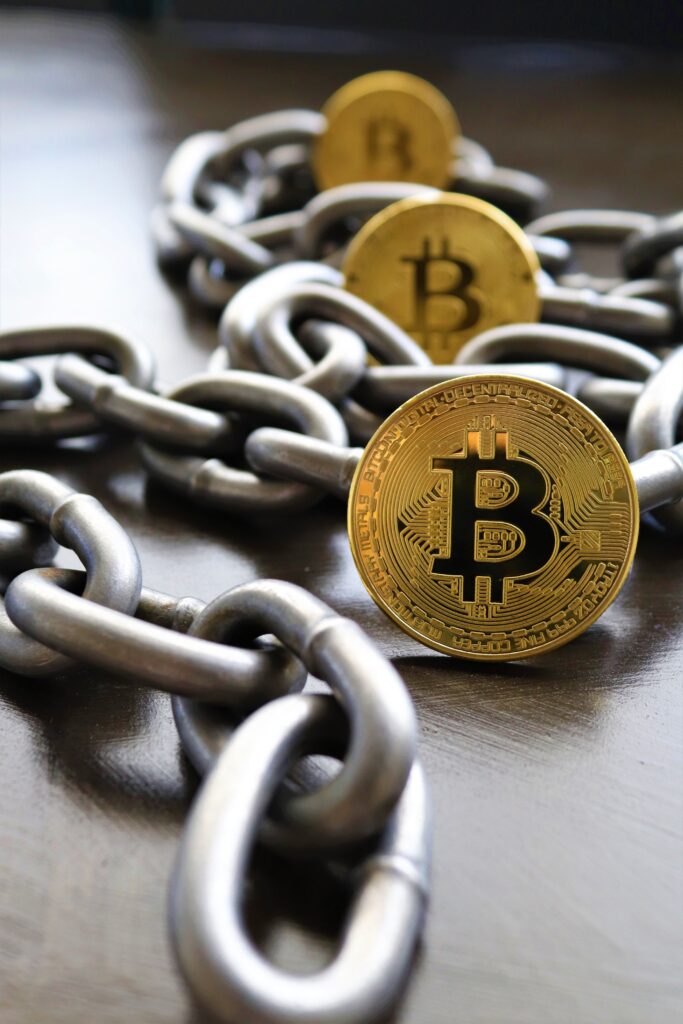
The single best thing you can do to protect your crypto is to take custody of your own assets using a hardware wallet. Devices like the Ledger Nano X store your private keys offline, meaning they’re completely inaccessible to hackers even if your computer is compromised. The phrase “not your keys, not your coins” is cliché at this point, but it’s cliché because it’s true — if your assets are sitting on an exchange and that exchange gets hacked or goes bankrupt, you could lose everything.
That said, even if you’re keeping funds on a reputable centralized exchange like Binance for trading purposes, there are steps you can take to minimize your risk. Enable two-factor authentication using an authenticator app (not SMS, which can be SIM-swapped), use a unique and complex password, and set up withdrawal address whitelisting if the platform offers it. Binance, for example, has several built-in security features that many users simply never activate because they don’t know they exist.
Beyond hardware wallets and exchange security, consider using dedicated tools to vet projects before investing. Sites like CertiK, DeFiLlama, and RugDoc provide audit information, liquidity data, and community-sourced risk assessments on thousands of DeFi projects. Browser extensions like MetaMask’s phishing detection and hardware wallet integration can also add an extra layer of protection when you’re interacting with Web3 applications. The more layers of security you have, the harder you are to scam.
New articles, straight to your inbox.
Join our CRYPTO MAMA’s community and never miss a post.
Join HereWhat to Do If You Think You’ve Been Scammed
If you suspect you’ve fallen victim to a crypto scam, the first thing to do is stop sending money immediately. This sounds obvious, but scammers are highly skilled at convincing victims that they just need to send “one more deposit” to unlock their funds or avoid a penalty. There is no unlock. There is no penalty. Any platform that demands more money to release your existing balance is running a scam, full stop.
Next, document everything. Take screenshots of all conversations, transaction records, wallet addresses, and website URLs. This documentation will be essential if you decide to report the scam to authorities. In the United States, you can file a report with the FBI’s Internet Crime Complaint Center (IC3), the Federal Trade Commission (FTC), or the Commodity Futures Trading Commission (CFTC). If the scam involved a specific exchange, report it to that platform’s support team as well — though recovering funds is unfortunately rare.
Finally, don’t let embarrassment stop you from speaking up. Crypto scams are designed by professionals who spend their entire working lives figuring out how to manipulate people. Being victimized doesn’t mean you’re stupid — it means you encountered a skilled fraudster. Sharing your experience in community forums, on Reddit, or through official reporting channels can help warn others and potentially contribute to investigations that bring scammers to justice. The more people talk about these experiences openly, the harder it becomes for scammers to operate in the shadows.
Crypto is genuinely exciting, and the opportunities in this space are real — but so are the risks. The good news is that most scams follow recognizable patterns, and once you know what to look for, you become a much harder target. Trust your instincts when something feels off, do your research before moving any money, secure your assets with proper tools like a Ledger hardware wallet, and never let anyone rush you into a financial decision. Stay skeptical, stay curious, and stay safe out there.
Ready to Take Your First Step? Get Your Free Crypto Starter Guide.
Download Your Free Guide Here →Frequently Asked Questions
Can I get my money back if I was scammed in crypto?
In most cases unfortunately not. Crypto transactions are irreversible by design. However you should still report the scam to the FTC, FBI IC3, and your country’s financial regulator. In some cases exchanges have been able to freeze suspicious accounts if reported quickly enough.
What is the most common crypto scam right now?
Pig butchering scams are currently the most widespread and devastating. A scammer builds a fake romantic or friendly relationship with a victim over weeks or months, then introduces a fake investment platform and convinces them to deposit increasing amounts of money before disappearing entirely.
How do I know if a crypto exchange is legitimate?
Check whether the exchange is registered with financial regulators in your country, has a verifiable physical address, has been operating for several years, and has a large verifiable user base. Stick to well-known platforms like Binance, Coinbase, or Kraken that have established track records and published security audits.
Is it safe to invest in new crypto projects?
New projects carry significantly higher risk than established cryptocurrencies like Bitcoin or Ethereum. If you want to explore new projects, check whether the smart contract has been audited, whether the team is publicly known, whether liquidity is locked, and whether the token distribution is fair. Never invest more than you can afford to lose entirely.
What should I do if someone contacts me with a crypto investment opportunity?
Ignore it. No legitimate investment opportunity arrives through an unsolicited DM, email, or text message. Block the contact and report the account to the platform. If the message claims to be from a known exchange or institution, go directly to that organisation’s official website rather than clicking any links provided.
Not Sure Where to Start? Grab My Free Crypto Starter Guide.
Get the Guide Now →Sources
- CoinDesk — Crypto Fraud Losses Hit $5.6 Billion in 2023, FBI Says
- CoinTelegraph — Rug Pulls and Exit Scams: The Anatomy of DeFi Fraud
- CoinTelegraph — Pig Butchering Scams: How Romance Fraud Meets Crypto
- Investopedia — Ponzi Schemes: Definition, Examples, and Origins
- FBI Internet Crime Complaint Center (IC3) — 2023 Internet Crime Report
- Federal Trade Commission (FTC) — What to Know About Cryptocurrency and Scams

Written by Yana Ballantyne
Founder of Yadala · Crypto Educator · Swiss Real Estate Advisor
Yana is a German-born, Australia-raised investor with two decades of experience across property, shares and crypto. She founded Yadala to make crypto simple and accessible for women — without the jargon or the overwhelm. She recommends platforms she believes in but will never tell you which coin to buy. That decision is always yours.

Disclaimer & Affiliate Disclosure
This article contains affiliate links. If you purchase through these links, I may earn a small commission at no extra cost to you. I only recommend products and services I personally use and genuinely believe in. Your support helps me keep Yadala running and free to read — thank you.
The content on Yadala is for informational and educational purposes only. Nothing here constitutes financial, investment, or legal advice. I am not a licensed financial advisor. All opinions expressed are my own personal views based on my own research at the time of writing.
Cryptocurrency and Bitcoin investments are highly volatile and speculative. The value of digital assets can rise and fall dramatically, and you could lose your entire investment. Regulatory changes may also significantly impact the value or legality of cryptocurrency in your country. Never invest more than you can afford to lose completely.
Yadala and its author accept no liability for any financial loss or damage arising from decisions made based on information in this article. Always conduct your own research and consult a qualified financial advisor before making any investment decisions.