How to Buy Your First Bitcoin in 2026 Step by Step
I still remember the first time I tried to buy Bitcoin. I had read enough to feel ready. I had my card out. I sat down at my laptop thinking this was going to take ten minutes.
It took considerably longer than that — not because the process was hard, but because nobody had walked me through it clearly. Every guide I found assumed I already knew the parts I did not know. I kept getting stuck on small things that felt embarrassing to ask about.
This guide fixes that. Every step, explained clearly, nothing assumed. By the end you will know exactly how to buy your first Bitcoin in 2026 — and how to keep it safe once you do.
- Buying Bitcoin in 2026 is genuinely straightforward — the process takes less than an afternoon once you know the steps.
- Choose a reputable, regulated exchange like Binance. It is free to sign up and one of the most widely used platforms in the world.
- You do not need to buy a whole Bitcoin. You can start with as little as €10 or $10 and own a fraction.
- Identity verification (KYC) is required on all legitimate exchanges. Have your passport or driving licence ready.
- Enable two-factor authentication before you do anything else — it is the most important security step you can take.
- Once your holdings grow meaningful, move them to a hardware wallet like Ledger. Never leave large amounts on an exchange long term.

Why Bitcoin Still Makes Sense for New Investors in 2026
Bitcoin has been declared dead more times than I can count. And yet here we are in 2026, and it remains the largest cryptocurrency in the world by market capitalisation, held by pension funds, ETFs, and institutional investors alongside everyday people like you and me.
What makes Bitcoin different from most investments — and from most other cryptocurrencies — is its fixed supply. There will only ever be 21 million Bitcoin in existence. That hard cap is written into the code and cannot be changed. In a world where central banks can print money without limit, that scarcity matters. It is one of the core reasons so many serious investors treat Bitcoin as digital gold rather than a speculative gamble.
That said, Bitcoin is volatile. Its price can swing dramatically over short periods, and anyone promising you guaranteed returns is lying to you. Go in with a long-term mindset, invest only what you can genuinely afford to lose, and approach this as one part of a broader financial strategy rather than a shortcut to wealth. That is the foundation everything else builds on. If you want to understand what Bitcoin actually is before you spend a single euro, our Crypto 101 guide covers everything you need to know first.
Step One — Choose a Safe and Reliable Exchange
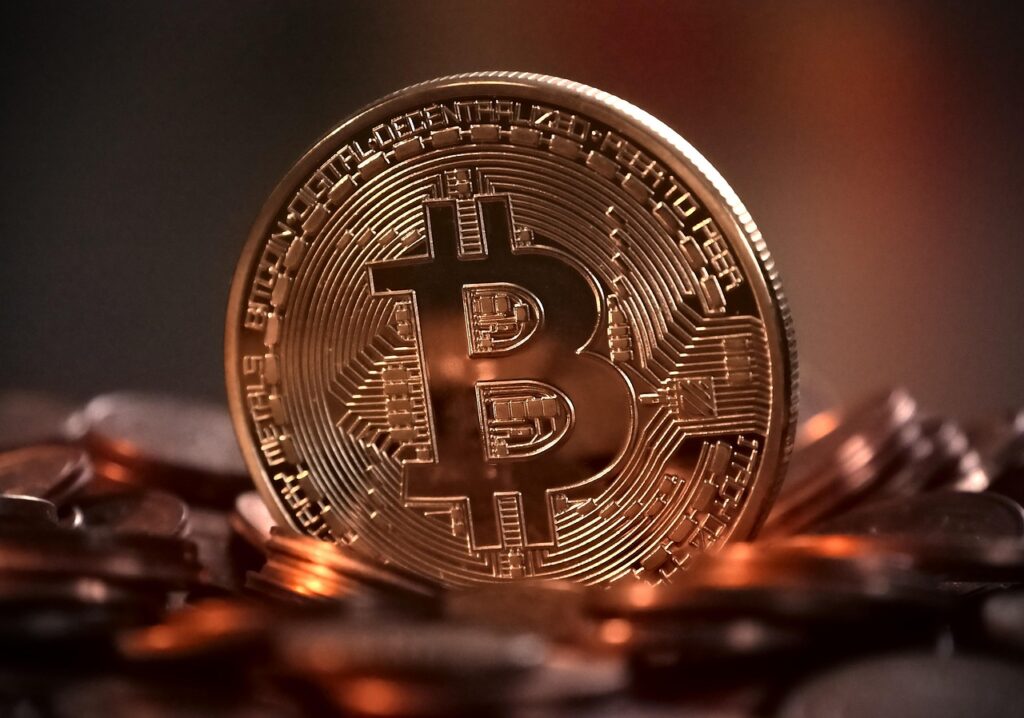
Your choice of exchange is the most important decision you will make as a first-time Bitcoin buyer. A crypto exchange is the platform where you convert your regular money — euros, dollars, pounds — into Bitcoin. Not all exchanges are created equal. Some have poor security records. Others have gone bankrupt. Choosing a reputable one from the start protects you from a huge range of problems.
When evaluating any exchange, look for regulatory compliance in your country, strong security features, a solid track record, and transparent fee structures. For most beginners, Binance is the natural starting point. It is one of the largest and most liquid exchanges in the world, supports dozens of fiat currencies, and has an interface that holds your hand through the first few steps without making you feel talked down to. Binance Academy — their free education platform — is also one of the best free resources on crypto available anywhere.
This Is Where I Buy My Bitcoin. It’s Free to Start.
Open Your Binance Account →Step Two — Verify Your Identity

Before you can deposit money or buy anything, every reputable exchange will ask you to verify your identity. This is called KYC — Know Your Customer — and it is a legal requirement in most countries. It exists to prevent money laundering and fraud. If an exchange does not ask for any verification at all, that is a red flag, not a convenience.
On Binance you will need a government-issued photo ID — a passport or driving licence — along with a selfie to confirm you are the person in the document. Most verifications are processed automatically within minutes. Have your documents ready before you start and the process is painless.
Once verified, enable two-factor authentication immediately. This adds a second layer of protection by requiring a code from an app like Google Authenticator every time you log in. It takes five minutes to set up and it is the single most important security step you can take as a new crypto user. Do not skip it.
Step Three — Deposit Funds
With your account verified and secured, you are ready to add money. On Binance you can deposit via bank transfer, debit card, or credit card. Bank transfers usually have lower fees. Card payments are faster. For your first purchase the speed of a card payment might be worth the small extra cost just to get started.
Start with an amount you are genuinely comfortable losing entirely. I know that sounds dramatic but it reflects the reality of investing in a volatile asset. The lessons you learn with a small real amount of money are worth far more than any amount of reading. There is no rush to go big immediately. Build your confidence first.
New articles, straight to your inbox.
Whether you’re just curious or already investing, you belong here.
Join HereStep Four — Make Your First Purchase
Once your funds appear in your account, navigate to the Buy Crypto section on Binance and select Bitcoin (BTC). Enter the amount you want to spend, review the exchange rate and any fees, and confirm the transaction. Within seconds your Bitcoin will appear in your Binance spot wallet.
You do not need to buy a whole Bitcoin. You can buy a fraction — even €10 worth. The smallest unit of Bitcoin is called a satoshi, and owning 0.0001 of a Bitcoin still makes you a Bitcoin holder. Starting is what matters, not the size of your first purchase.
One strategy worth considering is dollar-cost averaging — investing a fixed amount at regular intervals regardless of price. Rather than trying to time the market, you invest €50 or €100 every two weeks and let the price average out over time. It removes the emotional pressure of trying to buy at exactly the right moment and works particularly well in volatile markets. Our guide to stress-free Bitcoin buying covers exactly how DCA works and why so many experienced investors use it.



Step Five — Keep Your Bitcoin Safe
Buying Bitcoin is the beginning, not the end. Where you keep it matters just as much as how you buy it.
By default your Bitcoin will sit in your Binance wallet after purchase. That is fine for a short-term hold while you are learning. But when your holdings start to feel meaningful — an amount you would genuinely miss losing — it is time to think about moving them to a hardware wallet.
A hardware wallet is a physical device that stores your private keys completely offline, out of reach of hackers, malware, and exchange collapses. Ledger is the most trusted name in this space. Their Nano X and Nano S Plus devices support thousands of cryptocurrencies and are genuinely straightforward to set up. Our complete hardware wallet guide explains exactly how they work and why they matter.
This Is the Wallet I Use to Keep My Bitcoin Safe.
Get My Ledger Now →Buying your first Bitcoin in 2026 does not have to be complicated or intimidating. Choose a regulated exchange, get verified, start small, and take your security seriously from day one. You do not need to be a tech expert. You do not need to understand blockchain at a deep level. You just need to follow the steps carefully and keep learning as you go.
New articles, straight to your inbox.
Whether you’re just curious or already investing, you belong here.
Join HereFrequently Asked Questions
How much money do I need to buy Bitcoin? You can start with as little as €10 or $10. Bitcoin can be purchased in fractions so you do not need to buy a whole coin. Starting small while you learn is always the sensible approach.
Is Binance safe for buying Bitcoin? Binance is one of the most widely used and regulated exchanges in the world with strong security features and identity verification requirements. It is not risk-free — no exchange is — but it is significantly safer than unregulated alternatives and a solid starting point for beginners.

What is KYC and why do I have to do it? KYC stands for Know Your Customer. It is a legal requirement on all legitimate exchanges and involves verifying your identity with a government-issued ID. It exists to prevent money laundering and fraud. If an exchange does not require verification, treat that as a warning sign.
Should I buy Bitcoin all at once or gradually? For most beginners, dollar-cost averaging — investing a fixed amount at regular intervals — is more sensible than a lump sum. It removes the pressure of timing the market and smooths out the impact of volatility over time.
Do I need a hardware wallet right away? Not on your first day, but sooner than most people think. Once your holdings feel meaningful, moving them to a hardware wallet like Ledger gives you full control over your private keys. Think of it as insurance — a small upfront cost that protects you from a potentially much larger loss.
What happens if Binance gets hacked? This is exactly why long-term storage on an exchange is risky. A hardware wallet keeps your Bitcoin completely offline and out of reach of any exchange-level event. For meaningful holdings, self-custody through a hardware wallet is the responsible approach.
Not Sure Where to Start? Grab My Free Crypto Starter Guide.
Get the Guide Now →Sources
Investopedia — Bitcoin Definition: investopedia.com/terms/b/bitcoin.asp Investopedia — Dollar-Cost Averaging: investopedia.com/terms/d/dollarcostaveraging.asp CoinDesk — Bitcoin News and Analysis: coindesk.com Binance Academy — Free Crypto Education: academy.binance.com Ledger — Hardware Wallet Guide: ledger.com
Written by Yana Ballantyne
Founder of Yadala · Crypto Educator · Swiss Real Estate Advisor
Yana is a German-born, Australia-raised investor with two decades of experience across property, shares and crypto. She founded Yadala to make crypto simple and accessible for women — without the jargon or the overwhelm. She recommends platforms she believes in but will never tell you which coin to buy. That decision is always yours.

Disclaimer & Affiliate Disclosure
This article contains affiliate links. If you purchase through these links, I may earn a small commission at no extra cost to you. I only recommend products and services I personally use and genuinely believe in. Your support helps me keep Yadala running and free to read — thank you.
The content on Yadala is for informational and educational purposes only. Nothing here constitutes financial, investment, or legal advice. I am not a licensed financial advisor. All opinions expressed are my own personal views based on my own research at the time of writing.
Cryptocurrency and Bitcoin investments are highly volatile and speculative. The value of digital assets can rise and fall dramatically, and you could lose your entire investment. Regulatory changes may also significantly impact the value or legality of cryptocurrency in your country. Never invest more than you can afford to lose completely.
Yadala and its author accept no liability for any financial loss or damage arising from decisions made based on information in this article. Always conduct your own research and consult a qualified financial advisor before making any investment decisions.