I put off building an actual portfolio for almost a year after I first bought crypto. I’d buy a bit of Bitcoin here, get curious about some coin a friend mentioned there, and never once step back and ask whether any of it added up to something sensible. It didn’t. It was just a pile of unrelated purchases with no plan behind them.
If you’ve been watching from the sidelines wondering whether it’s too late to start, or you’ve already bought a bit of this and that without a real strategy, this is the guide I wish I’d read before I started. Here’s how to build a crypto portfolio that actually makes sense, from the ground up.
- Bitcoin and Ethereum make a sensible core for most beginner portfolios; keep speculative coins to a small slice.
- Only invest what you could genuinely afford to lose, and only after your emergency fund and high-interest debt are handled.
- Dollar-cost averaging removes the pressure of trying to time the market perfectly.
- Security isn’t optional. Move meaningful holdings off exchanges and into your own wallet.

Understanding What You’re Actually Buying
Before you spend a dollar, it’s worth getting genuinely clear on what crypto is, since it isn’t like buying stock in a company or putting money in a savings account. You’re buying digital assets that live on decentralized networks, secured by cryptography rather than a bank or a government.
You don’t need a computer science degree to invest well, but a couple of ideas are worth understanding early. The first is volatility. Crypto can move ten, twenty, even thirty percent in a single day, and that’s genuinely normal for this asset class, not a sign something’s gone wrong. If watching numbers swing that much would make you feel sick, that’s useful information about how much you can actually handle emotionally, not a reason to feel behind.
The second is the difference between custodial and non-custodial ownership. When crypto sits on an exchange, the exchange holds it. When it’s in your own wallet, you do. Neither is wrong for a beginner starting out, but understanding “not your keys, not your coins” will serve you for as long as you’re in this space.
If you want the full picture on wallets specifically, I covered that in Best Crypto Wallets for Beginners in 2026.

Choosing the Coins for Your Core
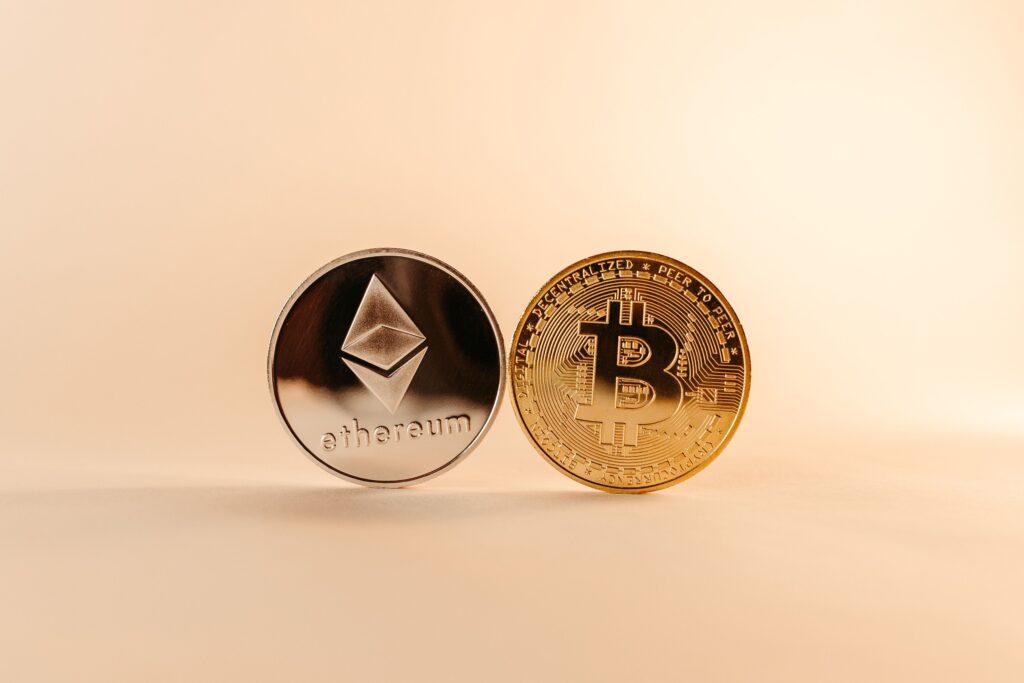
The sheer number of coins out there can feel overwhelming, and honestly, a good portion of them are speculative at best. For a first portfolio, you really don’t need to look far past the established names.
Bitcoin and Ethereum are the sensible starting point for most people. Bitcoin has the longest track record and the widest institutional adoption. Ethereum underpins a huge ecosystem of smart contracts and decentralized apps. Together, these two form what most experienced investors would call the core of a beginner portfolio, and for a lot of people, that’s genuinely enough for quite a while.
If you want to branch into other projects once you feel steady, do it carefully. Look for real use cases, active teams, and a track record longer than a few months, and be wary of anything being aggressively hyped on social media. Many experienced investors cap their speculative allocation at somewhere around ten to twenty percent of total holdings, which is a reasonable ceiling to borrow if you’re not sure where to draw your own line.
How Much to Actually Start With
This depends entirely on your own financial situation, but a couple of things should be true before you invest anything at all. You should already have an emergency fund set aside, typically three to six months of living expenses, and you shouldn’t be carrying high-interest debt like credit card balances. Crypto is something you add to a stable financial foundation, not a way to build one from nothing.
The genuinely good news is that the barrier to entry is low. You can start with fifty or a hundred dollars on most major exchanges, and starting small isn’t a compromise, it’s actually a smart way to learn the mechanics before you commit more.
One approach worth considering is dollar-cost averaging, simply investing a fixed amount on a regular schedule regardless of what the market is doing. It removes the pressure of trying to time things perfectly, which even professionals consistently fail at, and it smooths out your average cost over time.
The Wallet I Use to Keep My Bitcoin Safe.
Get My Ledger Now →Keeping It Safe From Day One
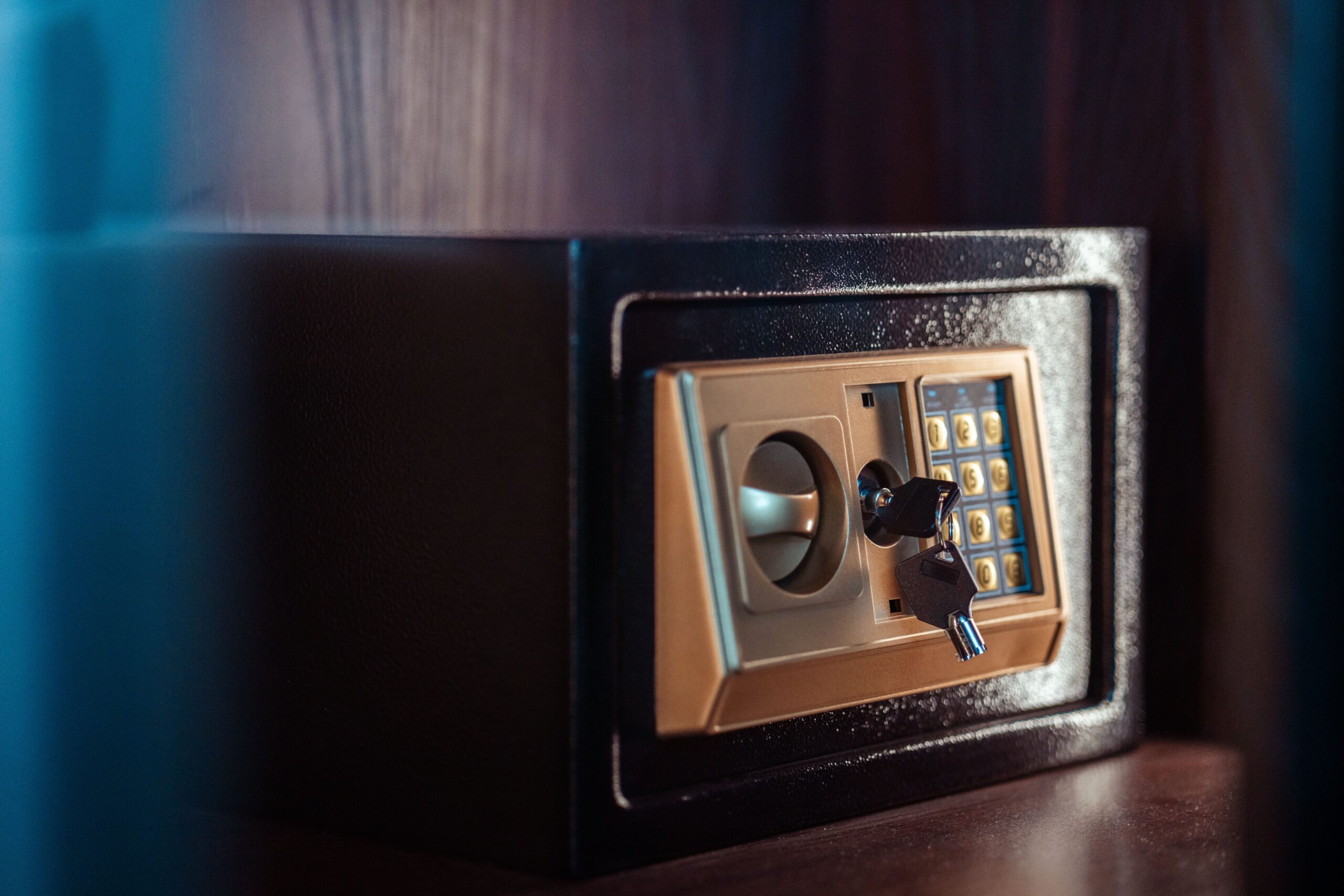
Security is the part beginners most often skip, usually because it feels complicated or they assume the exchange handles it for them. That assumption has cost people a lot of money, and it’s genuinely avoidable with a bit of upfront effort.
Use strong, unique passwords and app-based two-factor authentication rather than SMS, since SIM-swapping is a real threat. Be deeply skeptical of anyone reaching out unsolicited about your crypto holdings, since phishing in this space is sophisticated and convincing.
For anything you’d genuinely be upset to lose, move it off the exchange and into a hardware wallet like Ledger. It takes a small amount of setup, and it’s worth every minute of it.
FAQs
How much money do I need to start a crypto portfolio?
As little as fifty to a hundred dollars on most major exchanges. Starting small is a smart way to learn, not a compromise.
Should my whole portfolio be Bitcoin and Ethereum?
For most beginners, yes, at least at first. They’re the most established, liquid options, and a solid core to build confidence on.
What is dollar-cost averaging?
Investing a fixed amount on a regular schedule regardless of price. It removes the pressure of trying to time the market and smooths your average cost over time.
How much should I put into speculative coins?
Many experienced investors cap it around ten to twenty percent of total holdings. It’s a reasonable ceiling if you’re unsure where to draw your own line.
Do I need a hardware wallet right away?
Not immediately, but once you’re holding an amount you’d genuinely hate to lose, it’s a smart and fairly quick upgrade.
What should I have in place before I invest at all?
An emergency fund of three to six months’ expenses, and no high-interest debt. Crypto belongs on top of a stable foundation, not in place of one.
Have a question I didn’t cover? Leave it in the comments below and I’ll get back to you.
Sources: General portfolio construction principles drawn from widely-used dollar-cost averaging strategies and standard personal finance guidance on emergency funds and debt management, applied to crypto-specific risk considerations.
New articles, straight to your inbox.
Whether you’re just curious or already investing, you belong here.
Join Here
Written by Yana Ballantyne
Founder of Yadala · Crypto Educator · Swiss Real Estate Advisor
Yana is a German-born, Australia-raised investor with two decades of experience across property, shares and crypto. She founded Yadala to make crypto simple and accessible for women — without the jargon or the overwhelm. She recommends platforms she believes in but will never tell you which coin to buy. That decision is always yours.
Disclaimer & Affiliate Disclosure
This article contains affiliate links. If you purchase through these links, I may earn a small commission at no extra cost to you. I only recommend products and services I personally use and genuinely believe in. Your support helps me keep Yadala running and free to read — thank you.
The content on Yadala is for informational and educational purposes only. Nothing here constitutes financial, investment, or legal advice. I am not a licensed financial advisor. All opinions expressed are my own personal views based on my own research at the time of writing.
Cryptocurrency and Bitcoin investments are highly volatile and speculative. The value of digital assets can rise and fall dramatically, and you could lose your entire investment. Regulatory changes may also significantly impact the value or legality of cryptocurrency in your country. Never invest more than you can afford to lose completely.
Yadala and its author accept no liability for any financial loss or damage arising from decisions made based on information in this article. Always conduct your own research and consult a qualified financial advisor before making any investment decisions.