Crypto Mining in 2026: Is It Still Worth Your Time?
If you’ve spent any time in the crypto space, you’ve probably heard someone mention mining at least once or twice. Maybe a friend told you they made good money doing it a few years back, or you stumbled across a YouTube video showing someone’s basement full of humming machines. Whatever brought you here, you’re asking the right question at the right time. Crypto mining in 2026 looks very different from what it was in 2017 or even 2021, and whether it’s still worth your time depends on a lot more than just the price of Bitcoin. This article breaks it all down in plain language so you can make an informed decision — no jargon overload, no hype, just the real picture.
What Crypto Mining Actually Means in Simple Terms
At its core, crypto mining is the process by which new transactions are verified and added to a blockchain. Think of it like this: every time someone sends Bitcoin to another wallet, that transaction needs to be confirmed as legitimate. Miners are the ones doing that confirmation work. They use computing power to solve complex mathematical puzzles, and the first miner to solve the puzzle gets to add the next "block" of transactions to the chain and earn a reward in cryptocurrency for doing so.
The system is called Proof of Work, and it was designed by Satoshi Nakamoto as a way to make the Bitcoin network secure without needing a bank or central authority to oversee it. The more computing power you throw at the problem, the better your chances of solving it first. That’s why mining has evolved from something you could do on a laptop in 2009 to something that now requires specialized hardware that costs thousands of dollars.
It’s worth knowing that not all cryptocurrencies use this system. Ethereum, for example, switched from Proof of Work to Proof of Stake back in 2022 in what the community called "The Merge." That shift effectively ended Ethereum mining overnight for millions of people, which was a major shake-up for the industry. Understanding the difference between these consensus mechanisms matters a lot when deciding what to mine in 2026.
How Crypto Mining Has Changed Leading Into 2026
The mining landscape has gone through some dramatic shifts over the past few years. When Bitcoin was young, anyone with a decent graphics card could mine from their bedroom and actually turn a profit. Those days are long gone. Today, mining is dominated by large industrial operations — sometimes called mining farms — that run thousands of machines around the clock in locations chosen specifically for cheap electricity and cool climates. According to CoinDesk, the hash rate of the Bitcoin network has continued climbing year over year, meaning competition for block rewards has never been fiercer.
Bitcoin also went through its fourth halving event in April 2024, which cut the block reward from 6.25 BTC to 3.125 BTC. Halvings are programmed into Bitcoin’s code and happen roughly every four years. The idea is to slow down the rate at which new Bitcoin enters circulation, mimicking the scarcity of gold. For miners, this means the same amount of work now produces half the reward, which squeezes profit margins significantly unless the price of Bitcoin rises enough to compensate — which, historically, it eventually has, but not always immediately.
Regulation has also played a bigger role leading into 2026. Several countries have introduced stricter rules around energy consumption and environmental reporting for mining operations, according to CoinTelegraph. China famously banned mining back in 2021, which temporarily caused a massive drop in network hash rate before miners relocated to places like the United States, Kazakhstan, and parts of South America. In 2026, the regulatory environment varies wildly by region, and that geographical factor is now a core part of any serious mining decision.
The Real Costs of Mining Crypto From Home Today
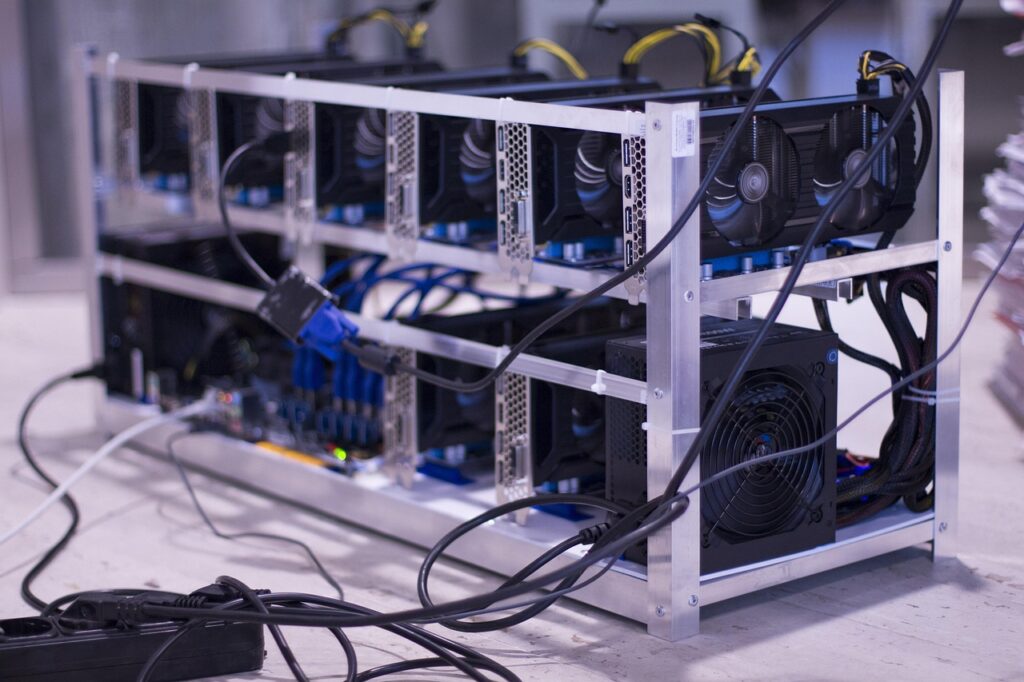
Let’s talk money, because this is where a lot of beginners get caught off guard. The upfront cost of mining hardware is just the beginning. A competitive ASIC miner — the kind of machine purpose-built for Bitcoin mining — can run anywhere from $2,000 to over $10,000 depending on the model and market conditions. GPU rigs for altcoin mining are somewhat cheaper but still represent a serious investment. And unlike buying crypto directly through a platform like Binance, you don’t see any return on that hardware purchase until you’ve mined enough to cover the cost.
Electricity is the ongoing expense that makes or breaks home mining. Mining rigs run 24 hours a day, seven days a week, and they consume a lot of power. A single high-end ASIC miner can draw 3,000 watts or more, which is like running three desktop computers simultaneously, constantly. According to Investopedia, electricity costs are one of the most critical variables in mining profitability, and the difference between paying $0.05 per kilowatt-hour versus $0.15 can mean the difference between profit and loss. If you’re in a region with expensive residential electricity, the math often doesn’t work out.
Then there’s heat, noise, and wear-and-tear to consider. Mining rigs generate a substantial amount of heat and run loudly enough to make a room uncomfortable. Many home miners end up needing dedicated spaces, additional cooling solutions, and eventually face hardware failures that require repair or replacement costs. When you add all of this up — hardware, electricity, cooling, maintenance, and the time you spend managing it — the true cost of home mining in 2026 is significantly higher than most beginners expect.
Which Cryptocurrencies Are Still Worth Mining Now
Bitcoin remains the most well-known mining target, but for small-scale miners, it’s arguably the hardest to make work financially due to the intense competition from industrial operations. That said, if you have access to very cheap electricity and can afford newer ASIC hardware, it’s still possible to mine Bitcoin profitably. The key is running the numbers carefully before committing, using mining profitability calculators that factor in your specific electricity rate and hardware specs.
Litecoin and Dogecoin are mined using the same algorithm, called Scrypt, and they can be mined together through a process called merge mining. This can improve overall returns for miners who are already running Scrypt-compatible hardware. Monero is another option that’s specifically designed to be resistant to ASIC mining, meaning it can still be mined with consumer-grade CPUs and GPUs, which lowers the barrier to entry significantly. CoinTelegraph has covered Monero’s ongoing development as a privacy coin that maintains its commitment to accessible mining.
For GPU miners, the landscape shifted considerably after Ethereum’s move to Proof of Stake. Many miners pivoted to coins like Ravencoin, Ergo, or Flux, which were designed with GPU mining in mind. These are smaller-cap coins with more volatility, which introduces additional risk, but they remain viable options for miners who already own GPU hardware and don’t want to let it sit idle. The smart move is to diversify your research and not assume that what’s profitable today will still be profitable in six months.
Cloud Mining vs Home Rigs: What Makes More Sense
Cloud mining is essentially renting mining power from a company that operates the physical hardware on your behalf. You pay a contract fee, they mine, and you receive a share of the earnings. On paper, it sounds like an easy way to get into mining without dealing with hardware headaches. In practice, it’s a model that requires a lot of due diligence because the space has historically attracted scams and companies that overpromise returns.
That said, legitimate cloud mining services do exist, and for someone who doesn’t have the technical knowledge or physical space for a home rig, they can offer a lower-friction entry point. The tradeoff is that you’re giving up control and typically paying a premium for the convenience. Profit margins in cloud mining tend to be thinner than running your own hardware efficiently, but you also avoid the upfront capital cost and the ongoing operational headaches.
Home rigs give you full control — over your hardware, your electricity source, and your mining strategy. For technically inclined people in regions with low electricity costs, this remains the more profitable option over the long run. Whichever route you choose, it’s a good idea to store your mined coins securely. Hardware wallets like those made by Ledger are widely recommended for keeping crypto safe offline, especially if you’re accumulating over time and don’t want to leave funds sitting on an exchange.
Is Crypto Mining in 2026 Actually Worth Your Time
Honestly, the answer depends entirely on your situation. For the average person in a country with standard residential electricity prices, mining Bitcoin at home in 2026 is unlikely to be profitable after accounting for all costs. The industrial players have too big an advantage in terms of scale, hardware efficiency, and energy deals. That’s a hard truth, but it’s better to know it upfront than to invest thousands of dollars and be disappointed.
However, there are still real opportunities for the right type of person. If you have access to cheap or renewable energy, technical skills, and patience, mining certain altcoins or even Bitcoin on a small scale can still generate meaningful returns — especially if the market enters another bull cycle. The key is treating it like a business, not a get-rich-quick scheme. Track your costs meticulously, stay updated on network difficulty and coin prices, and be prepared to adapt your strategy.
Mining is also about more than just profit for some people. There’s a philosophical appeal to it — you’re contributing to the security and decentralization of a network, earning crypto in a way that doesn’t require you to hand over personal information to a centralized exchange. For those who value that aspect of crypto, mining remains meaningful even when margins are thin. Just go in with realistic expectations, do your homework, and never invest more than you’re willing to lose.
Crypto mining in 2026 is not dead, but it has matured into something that requires serious thought before jumping in. The easy days of mining from a laptop are gone, replaced by a landscape dominated by industrial operations, rising energy costs, and tightening regulation. That doesn’t mean there’s no room for the individual miner — it just means you need to be smarter and more strategic about it. Whether you’re considering a home rig, looking into cloud mining, or simply trying to understand the space before putting any money in, the most important thing you can do is educate yourself thoroughly. The crypto world moves fast, and staying informed is always your best investment.
Sources
- CoinDesk – Bitcoin network hash rate reporting and mining industry coverage: coindesk.com
- CoinTelegraph – Mining regulation updates, Monero development, and altcoin mining coverage: cointelegraph.com
- Investopedia – Crypto mining profitability and electricity cost analysis: investopedia.com
- Binance – Cryptocurrency exchange platform referenced for buying/selling crypto: binance.com
- Ledger – Hardware wallet manufacturer referenced for secure crypto storage: ledger.com
Disclaimer: This article is intended for informational and educational purposes only and does not constitute financial advice. Cryptocurrency mining and investing carry significant financial risk, and past performance is not indicative of future results. Always conduct your own research and consult a qualified financial advisor before making any investment decisions. This article may contain affiliate links, and the author or publisher may receive compensation if you click on certain links and make a purchase or sign up for a service. This does not influence the content or opinions expressed in the article.