For years, most of us thought of cryptocurrency the same way. You buy some, you watch the price, you hope it goes up. It felt like something that lived on a screen, disconnected from real life. But something has shifted, and it has shifted fast. Crypto is no longer sitting quietly in a digital wallet waiting to be sold. It is being used to buy coffee, book flights, pay rent, and purchase million-dollar properties. The world is not waiting for crypto to become useful. It already is.
If you have been on the fence about whether any of this is relevant to your life, this article is going to change your mind.
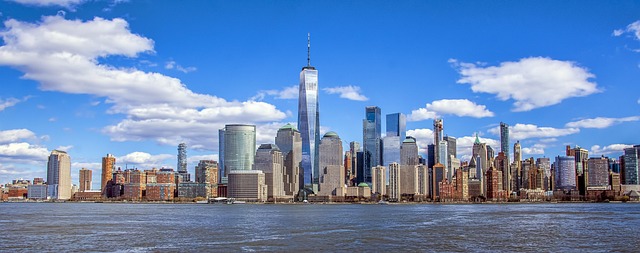
The United States Is Leading the Way
The country most of your friends, family, and favourite brands call home is quietly becoming the global centre of the crypto economy. The US Securities and Exchange Commission recently declared the United States the global centre for crypto finance, and the numbers back that up completely.
Around 70 million Americans, that is 30% of every adult in the country, already own or use cryptocurrency. And the businesses serving those people are catching up fast. According to a joint PayPal and National Cryptocurrency Association survey from January 2026, 39% of US merchants now accept crypto at checkout. Among large corporations earning over $500 million a year, that number jumps to 50%. Nearly 88% of merchants say their customers ask about paying with crypto every single month.
The brands on that list are not obscure startups. They are places you already shop. Microsoft, AT&T, Starbucks, Whole Foods, Home Depot, Chipotle, AMC Theatres, Time Magazine, and ExpressVPN all accept crypto directly. The US government has also established a Strategic Bitcoin Reserve, meaning America now holds Bitcoin as a national asset alongside gold. Miami has cemented itself as a global crypto hub, hosting Consensus 2026, one of the most watched crypto conferences in the world, drawing major industry figures, startups, and policymakers from across the globe.
This is not a fringe movement. This is the mainstream financial system adapting in real time.
Join Millions of Women Already Investing on Binance. It’s Free to Start.Get Started with Binance Here →
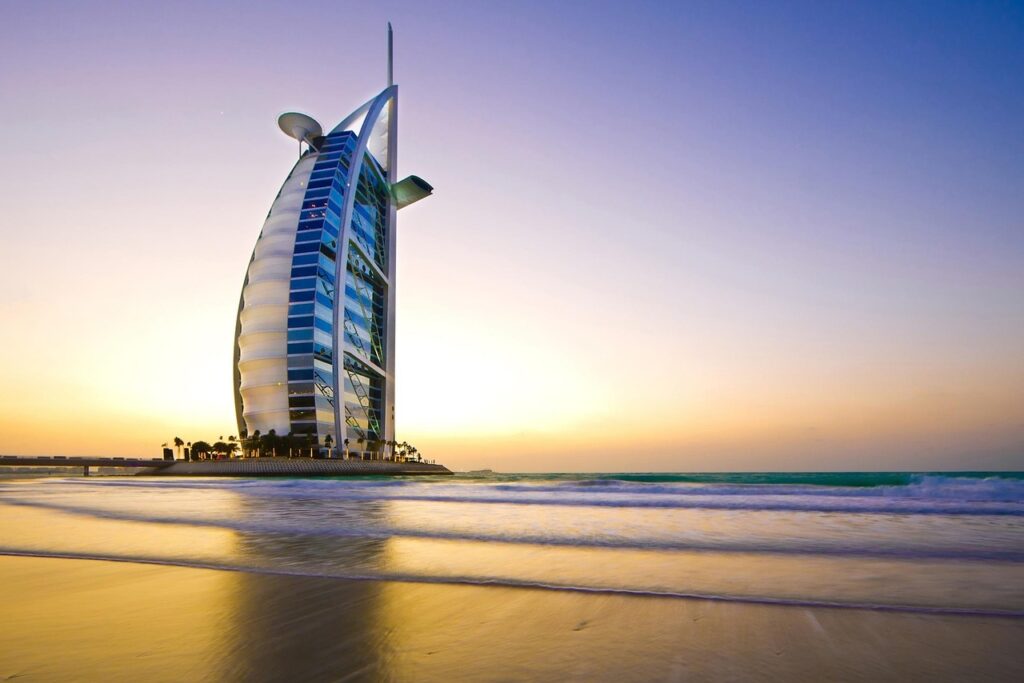
Dubai Is Buying Penthouses With Bitcoin
If you want to understand where the world of money is heading, watch what wealthy, forward-thinking cities are doing. Dubai has been accepting crypto for real estate since 2017. That is nearly a decade ago.
When you buy property in Dubai with cryptocurrency, the transaction is recorded on the blockchain and in the official government registry. You receive a full title deed, just like any other buyer. Major developers including Emaar, Damac, Nakheel, and Sobha all accept crypto through licensed partners. Payments that would take days through international bank transfers are completed in hours.
By 2026, paying with crypto in Dubai is no longer a workaround or an experiment. For many residents, expats, and digital nomads, it has become part of everyday financial life. Whether you are paying rent, booking a hotel, or putting a deposit on a Palm Jumeirah apartment, crypto is a fully accepted way to do it.
New articles, straight to your inbox.
Join our CRYPTO MAMA’s community and never miss a post.
Join HereSwitzerland Has Made It Official
Switzerland has long been one of the most financially sophisticated countries in the world, and its approach to crypto reflects that completely. In the city of Lugano, Bitcoin, Tether, and the city’s own digital token are accepted as de facto legal tender across more than 400 local merchants, including restaurants, parking lots, and municipal utility providers, all part of the city’s ambitious Plan B initiative.
What makes Switzerland particularly powerful for crypto holders is the legal protection. Swiss law mandates that if an exchange or custodian ever goes bankrupt, user funds are strictly segregated from the platform’s balance sheet, offering the same level of protection found in traditional banking. Nowhere else in the world offers that level of security for digital assets.
Switzerland has also embraced crypto in its real estate market. Properties across the country, including in sought-after Alpine regions, can be purchased using Bitcoin and other digital assets through licensed intermediaries. For international buyers and expats looking to invest in one of the world’s most stable property markets, crypto removes the friction of international bank transfers entirely. A transaction that once took days now completes in hours.

Japan Has Been Doing This for Nearly a Decade
Japan does not get enough credit for how early it moved on crypto. The country legally recognised Bitcoin as a payment method back in 2017. By 2026, Japan has over 35,000 locations accepting crypto payments, including major electronics retailers and convenience store chains. This is not a tech experiment. This is infrastructure. Everyday shopping, paid in crypto, at the checkout counter.
Protect Your Crypto With the Wallet We Trust.
Get Started with Ledger Today →
Australia Is Catching Up Fast
For Australian readers this one is close to home and the numbers are moving quickly. The number of Australians using cryptocurrency for everyday purchases doubled to 12% in 2026, up from 6% the previous year, with researchers noting that more Australians are viewing crypto as a practical payment method rather than just a speculative bet.
More than 1,500 physical and online stores in Australia now accept direct crypto payments, from coffee shops in Sydney’s CBD to luxury car showrooms. Crypto adoption among small and medium businesses has soared by 45% year on year. The infrastructure is here. The adoption is happening right now.
Germany, Brazil, and the Rest of the World
Germany has incorporated cryptocurrency into 10.2% of e-commerce checkouts through 28 fintech partnerships, and allows tax-free crypto sales if assets are held for more than one year. For anyone living in Europe, that tax advantage alone is worth paying attention to.
Brazil has reached 110,000 active crypto Point of Sale terminals. The Philippines has integrated over 1.3 million merchants with crypto payment processors. Vietnam passed a new law effective January 2026 positioning itself as a regional blockchain hub. South Africa reports 17.2% of mobile transactions conducted using stablecoins.
And El Salvador, the small Central American country that made history in 2021 by becoming the first nation to adopt Bitcoin as official legal tender, now has over 4 million wallet users and a fully functioning everyday crypto economy. It proved to the rest of the world that it could be done.

The Biggest Institutions in the World Are Already Here
This is not just about small businesses and individual shoppers. The largest financial institutions on the planet have made their move.
In March 2026, Solana joined Mastercard‘s Crypto Partner Program, an initiative including 85 or more crypto companies aimed at making crypto payments faster, cheaper, and more practical. Mastercard is now running always-on stablecoin settlement on Solana across its 3.7 billion cards in more than 210 countries. When the world’s largest card network builds crypto directly into its infrastructure, the conversation about whether crypto is real is over.
Ripple closed ten major institutional deals in 2026 alone, partnering with Deutsche Bank, JPMorgan, and Mastercard‘s payment network. Coca-Cola and American Airlines are among over 1,100 corporations actively exploring on-chain payments through Ripple Treasury. You can already book flights on over 600 airlines including British Airways, Qantas, and Delta using XRP right now.
Among US merchants already accepting crypto, it accounts for over a quarter of their total sales volume, and 72% of those merchants reported year-on-year growth in crypto transactions.
Join Millions of Women Already Investing on Binance. It’s Free to Start.
Get Started with Binance Here →
What Does 2030 Look Like?
The forecasts from the most credible research organisations in the world are pointing in one direction.
The global crypto market is projected to reach $7.98 trillion by 2030, growing at 30% annually from its current value of $2.96 trillion. That figure comes from DemandSage, a leading global data analytics firm.
By 2030, both decentralised cryptocurrencies and central bank digital currencies are expected to become staple payment currencies. Crypto users may reach 1 billion by 2030 if the current adoption trendline continues. That projection comes from Boston Consulting Group, one of the most respected strategy firms in the world.
Chainalysis, the leading blockchain analytics firm, projects that stablecoin transaction volumes will intersect with Visa and Mastercard between 2031 and 2039, as on-chain payments become standard global commerce infrastructure.
The global crypto payments market is expected to exceed $3.5 billion by 2030, nearly doubling from its $1.8 billion valuation in 2024, according to SQ Magazine payments research.
The great wealth transfer is also accelerating this. An estimated $100 trillion will move to Millennials and Gen Z over the coming decades, generations where nearly half have held or currently hold crypto. Starting around 2028, traditional financial institutions in North America and Europe will face a significant demographic shift as this transfer begins.
The women who understand this now are not late. They are early.
New articles, straight to your inbox.
Join our CRYPTO MAMA’s community and never miss a post.
Join HereWhat This Means for You
Here is the simple truth. The financial system is changing whether any of us participates or not. The question is not whether crypto will become part of everyday life. It already is, in 35,000 Japanese stores, in Dubai property deals, in Starbucks apps, in Mastercard‘s global network.
The question is whether you will be someone who understood this early, or someone who looks back in five years and wishes she had paid attention.
You do not need to understand blockchain technology. You do not need to be a trader or a tech person. You just need one account, a small starting amount, and the willingness to take one step. The platform I use and recommend to every woman starting out is Binance. It takes about ten minutes to set up, it is free to open, and it is where millions of beginners started their journey. [Binance affiliate link]


Key Takeaways
The USA is the global centre of crypto finance with 70 million users and 39% of merchants already accepting crypto at checkout.
Dubai has been legally accepting crypto for property purchases since 2017, with major developers including Emaar and Damac all on board.
Switzerland’s city of Lugano has over 400 merchants accepting crypto including restaurants, parking, and municipal services.
Japan has 35,000 crypto-accepting locations and has recognised Bitcoin as a payment method since 2017.
Australia doubled its everyday crypto usage to 12% in one year, with 1,500 plus businesses now accepting it directly.
Mastercard has integrated crypto settlement across 3.7 billion cards in 210 countries.
Coca-Cola, American Airlines, Deutsche Bank, and JPMorgan are all actively integrating crypto payments.
The global crypto market is forecast to reach $7.98 trillion by 2030.
Boston Consulting Group projects 1 billion crypto users by 2030.
Getting in now means getting in before the majority of the world catches up.
The Future of Money Is Here. Are You Ready?Open Your Free Binance Account Today →
Frequently Asked Questions
Can I really use crypto to buy everyday things right now? Yes. In the US alone, 39% of merchants accept crypto at checkout. Globally, you can use crypto to buy coffee in Japan, pay rent in Dubai, shop online in Australia, and book flights on over 600 airlines. The infrastructure is already here.
Do I need a lot of money to get started? No. Most exchanges including Binance allow you to start with as little as $10 or $20. The point is not to invest your savings overnight. The point is to open an account, learn how it works, and take one small step into a system that is growing fast.
Is crypto legal in my country? In the US, Australia, UK, most of Europe including Germany and Switzerland, Japan, UAE, and dozens of other countries, crypto is completely legal to buy, hold, and use as payment. Always check the specific rules in your location as tax treatment varies.
What is the difference between crypto as an investment and crypto as a payment? As an investment, you buy crypto and hold it hoping the value increases. As a payment method, you use it directly to buy goods and services, the same way you use a card or cash. Both uses are growing simultaneously.
Will fiat money like dollars and euros disappear? Not overnight, and probably not completely. What is more likely is that crypto and digital currencies will exist alongside traditional money, with people choosing which to use based on the transaction. The shift is gradual but it is already well underway.
What is the easiest way for a complete beginner to start? Open a free account on Binance, complete the identity verification, and buy a small amount of Bitcoin or another major currency. The whole process takes about ten minutes.
Smart Women Don’t Just Invest. They Protect What They Build.
Get Your Ledger Wallet Today →
Sources
- PayPal and National Cryptocurrency Association Survey, January 2026
- Chainalysis — chainalysis.com
- Boston Consulting Group — bcg.com
- DemandSage Global Crypto Adoption Statistics — demandsage.com
- Mastercard Crypto Partner Program — mastercard.com
- SEC Chair Paul Atkins Statement on US Crypto Leadership
- Independent Reserve Australian Crypto Survey 2026
- Ledger — Who Accepts Bitcoin 2026 — ledger.com
- Tangem — 250 Plus Companies Accepting Crypto 2026 — tangem.com
- SQ Magazine Crypto Payments Statistics 2026 — sqmagazine.co.uk
- Grand View Research Cryptocurrency Payment Apps Market — grandviewresearch.com
- Bitget Australia Crypto Payments Guide 2026 — bitget.com
New articles, straight to your inbox.
Join our CRYPTO MAMA’s community and never miss a post.
Join Here