Key Takeaways
A crypto exchange holds your crypto for you, similar to how a bank holds your money.
A hardware wallet like Ledger gives you direct, personal control through self custody.
Exchanges can fail or be hacked, as seen with FTX in 2022, which is why some people choose to move part of their holdings off the exchange.
The crypto exchange vs wallet decision does not have to be all or nothing — many people use both.
Setting up a hardware wallet involves a recovery phrase, which should always be written down and kept private — never stored online.
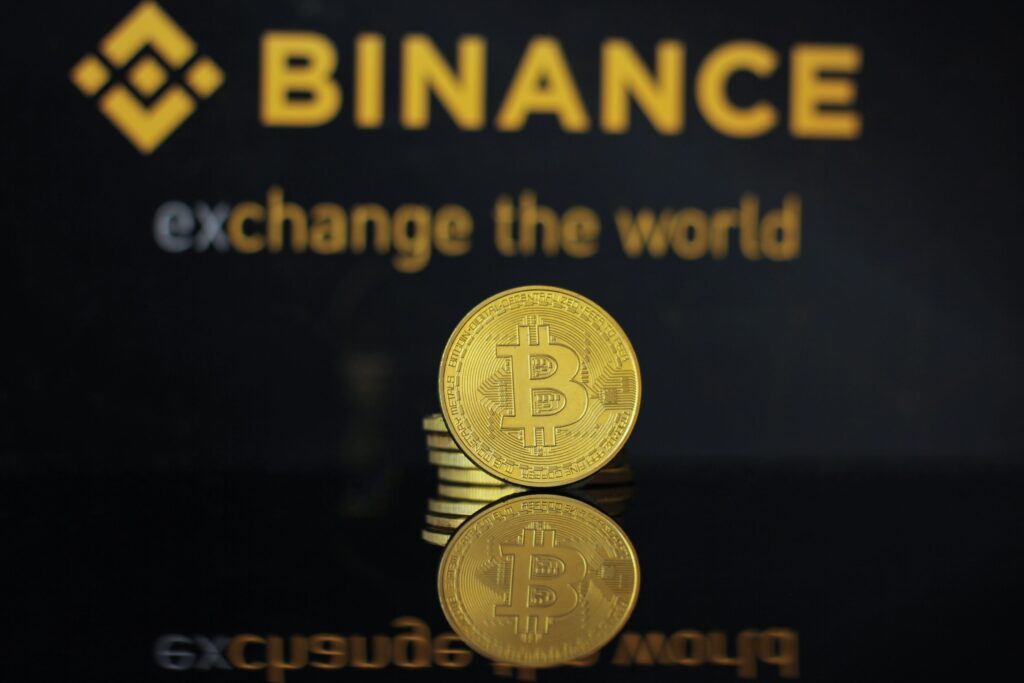
If you have bought any crypto at all, Crypto Mama, there is a good chance it is still sitting exactly where you bought it. On the exchange. And if nobody has ever explained the difference between a crypto exchange and a wallet to you, that is completely normal. Nobody hands you a manual when you sign up. But this one distinction, crypto exchange vs wallet, is probably the single most important thing to understand once you have taken that first step, and today we are going to make it simple.
What Is a Crypto Exchange, Really
A crypto exchange is the place where you buy and sell. Think of it as the shop. Platforms like Binance are exchanges, you create an account, you verify your identity, you deposit money, and you buy Bitcoin or whatever else you are interested in.
The exchange holds your crypto for you inside your account on their platform, much like a bank holds your money inside your account.
That last part is the key to understanding crypto exchange vs wallet. When your crypto sits on an exchange, you do not actually hold it directly. The exchange holds it, and you have a claim to it, recorded in their system. Most of the time this works perfectly fine. Millions of people buy and hold crypto on exchanges every single day without any issue at all.
But the crypto exchange vs wallet conversation becomes important the moment you ask yourself one simple question. What happens if something goes wrong with the exchange itself.
New articles, straight to your inbox.
Whether you’re just curious or already investing, you belong here.
Join HereWhat Is a Wallet, Really
A wallet, specifically what is called a hardware wallet, is a small physical device, often about the size of a USB stick, that stores your crypto under your own direct control. When people talk about self custody, this is what they mean. Your crypto is no longer sitting inside someone else’s platform. It is yours, secured by a private key that only you hold.
This is where the crypto exchange vs wallet distinction really comes into focus. With an exchange, you are trusting a company to keep your crypto safe and to give it back to you whenever you ask. With a hardware wallet, nobody else is involved at all. There is no company between you and your money. It genuinely belongs to you, in the same way cash in your own hand belongs to you rather than cash sitting in someone else’s safe with your name on a piece of paper.
A popular and trusted hardware wallet is Ledger, and for many people moving from exchange to wallet, it is the first piece of hardware they ever buy specifically for their crypto.
This Is the Wallet I Use to Keep My Bitcoin Safe.
Get My Ledger Now →What Happens if an Exchange Gets Hacked or Goes Under
This is the part of the crypto exchange vs wallet conversation that nobody likes to think about, but it is exactly why the conversation matters. Exchanges, like any company, can fail. They can be hacked. They can go bankrupt. And when that happens, the crypto sitting inside customer accounts can become tied up, delayed, or in worst cases, lost entirely.
You may remember hearing about FTX, once one of the largest exchanges in the world, which collapsed in 2022 with customer funds caught up in the fallout. That event alone pushed a huge number of people to start asking the crypto exchange vs wallet question for the first time, often after it was too late for their own holdings.
To be clear, this does not mean exchanges are dangerous or that you should panic if your crypto is currently sitting on one. Reputable, regulated exchanges like Binance have strong security measures in place, and for many people, especially while they are still learning, keeping a portion of crypto on the exchange makes sense. The crypto exchange vs wallet decision is not really about danger versus safety. It is about understanding where the responsibility sits, and choosing what feels right for you.
A Simple Way to Think About It
Here is a way to think about crypto exchange vs wallet that might feel familiar. Imagine your everyday spending money sitting in your regular bank account, easy to access, useful for daily life. Now imagine your long term savings, the money you do not touch, the money that matters most for your future. Many people choose to keep that somewhere a little more deliberate, a little more protected.
Crypto can work the same way. Smaller amounts, or crypto you are actively trading or learning with, might comfortably stay on the exchange. But larger amounts, or crypto you consider part of your longer term plan, are often moved into a hardware wallet, where you and only you control access.
This is not an all or nothing decision, Crypto Mama. Many women in this community do both, keeping a small working amount on the exchange and moving the rest into self custody as their confidence and their holdings grow.

This Is Where I Buy My Bitcoin. It’s Free to Start.
Open Your Binance Account →How the Move From Exchange to Wallet Actually Works
If you do decide that the crypto exchange vs wallet answer, for you, is “I would like to hold some of this myself,” the actual process is more straightforward than it sounds. You set up your hardware wallet, which involves writing down a recovery phrase, a set of words that act as your master key, and storing it somewhere safe and private. Then, from your exchange account, you simply send your crypto to the wallet address shown on your device, in much the same way you might transfer money between two bank accounts.
The recovery phrase is the single most important part of this entire process. It is not stored online anywhere. It exists only with you, written down, kept safe. If you ever lose your hardware wallet itself, that phrase is what allows you to recover everything. Many people choose to set up their first hardware wallet, like a Ledger, during a quiet weekend when they can take their time and not feel rushed.


Ready to Take Your First Step? Get Your Free Crypto Starter Guide.
Download Your Free Guide Here →Frequently Asked Questions
Is it dangerous to leave my crypto on an exchange? Not necessarily. Reputable, regulated exchanges have strong security in place, and many people keep crypto on exchanges without any problem. The risk is not that it will definitely go wrong, but that you are relying on the exchange’s security and stability rather than your own.
What is the main benefit of a hardware wallet? The main benefit is self custody, meaning you hold your crypto directly, with no company in between. Nobody else can freeze, restrict, or lose access to it on your behalf.
Do I need to move everything off the exchange right away? No. Many people start by leaving everything on the exchange while they learn, then gradually move larger amounts into a hardware wallet as their holdings grow and their confidence increases.
What happens if I lose my hardware wallet? As long as you have safely stored your recovery phrase, you can use it to restore access to your crypto on a new device. This is why the recovery phrase should always be written down and kept somewhere private and safe, never typed into a computer or stored online.
Is a hardware wallet complicated to set up? It is more straightforward than it sounds. The setup process mainly involves writing down your recovery phrase and following the device’s on screen instructions. Many people are able to complete it within an hour.
Sources
- Investopedia, overview of cryptocurrency exchanges and custodial accounts
- Reuters, reporting on the FTX collapse and customer fund losses, 2022
- Ledger, official guidance on hardware wallet setup and self custody
New articles, straight to your inbox.
Join our CRYPTO MAMA’s community and never miss a post.
Join Here
Disclaimer & Affiliate Disclosure
This article contains affiliate links. If you purchase through these links, I may earn a small commission at no extra cost to you. I only recommend products and services I personally use and genuinely believe in. Your support helps me keep Yadala running and free to read — thank you.
The content on Yadala is for informational and educational purposes only. Nothing here constitutes financial, investment, or legal advice. I am not a licensed financial advisor. All opinions expressed are my own personal views based on my own research at the time of writing.
Cryptocurrency and Bitcoin investments are highly volatile and speculative. The value of digital assets can rise and fall dramatically, and you could lose your entire investment. Regulatory changes may also significantly impact the value or Sonnet 4.6 Low