Key Takeaways
Cryptocurrency is digital money that runs on a decentralised blockchain network — no government or bank controls it.
Bitcoin and Ethereum are the best starting points for beginners — avoid smaller coins until you understand the market.
Use a reputable regulated exchange like Binance to buy your first crypto safely — it takes less than 10 minutes once your account is verified.
Protect your investment with a hardware wallet like Ledger — never leave significant amounts on an exchange long term.
Start small, invest only what you can afford to lose completely, and use dollar cost averaging to reduce the impact of volatility.
Cryptocurrency is one of the most talked-about investment opportunities of the last decade. But for many people, it still feels overwhelming, confusing or just too risky to touch.
This guide changes that. Crypto 101 is your plain-English starting point — no jargon, no hype, just the facts you need to make an informed decision about whether crypto is right for you.
What Is Cryptocurrency?
Cryptocurrency is digital money that exists on a blockchain — a decentralised network of computers that records and verifies every transaction. Unlike traditional money, no government or bank controls it.
Bitcoin was the first cryptocurrency, created in 2009. Since then, thousands of others have been created, each with different purposes and features. Some, like Ethereum, power entire ecosystems of apps and services. Others, like stablecoins, are designed to hold a steady value. And some are purely speculative.
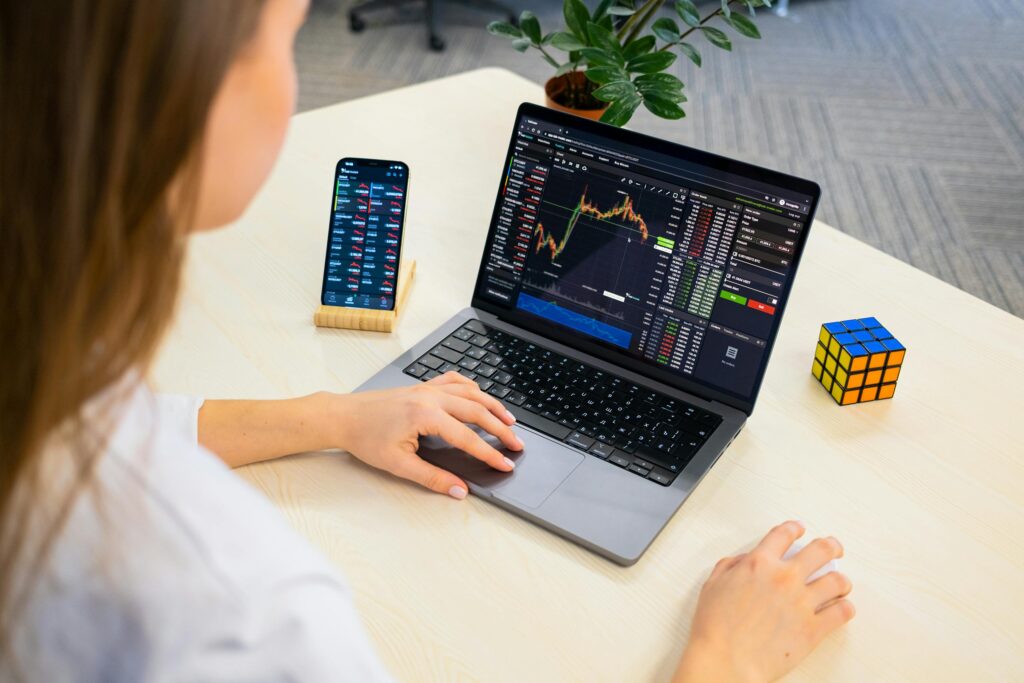
The key thing to understand is that crypto is programmable, borderless and available to anyone with an internet connection. That is why so many people see it as the future of money.
New articles, straight to your inbox.
Whether you’re just curious or already investing, you belong here.
Join HereWhy Do People Invest in Crypto?

People invest in crypto for different reasons. Some are chasing returns — Bitcoin has been the best-performing asset of the last decade by a significant margin. Others believe in the technology and want to be part of a financial revolution. And some use crypto as a hedge against inflation and a weakening dollar.
Whatever the reason, the important thing is to go in with your eyes open. Crypto can go up dramatically — and it can go down just as fast. The people who do well over time are those who understand what they hold and why they hold it, rather than those who buy on impulse and panic sell.
The Coins You Need to Know
With thousands of cryptocurrencies in existence, it is easy to feel overwhelmed. Start with these:
Bitcoin (BTC) is the original and still the most trusted. It has a fixed supply of 21 million coins, which makes it deflationary by design. Many people treat it like digital gold — a long-term store of value.
Ethereum (ETH) is the second largest by market cap. It powers a vast ecosystem of decentralised apps, DeFi platforms and NFTs. It is more volatile than Bitcoin but has strong long-term fundamentals.
Stablecoins like USDT and USDC are pegged to the US dollar. They do not go up in value, but they are useful for parking funds on an exchange without converting back to fiat.
As a beginner, Bitcoin and Ethereum are the sensible starting points. Avoid chasing smaller coins until you understand the market.
This Is Where I Buy My Bitcoin. It’s Free to Start.
Open Your Binance Account →How to Buy Your First Crypto
Buying crypto is simpler than most people think. Here is how to do it safely:
Step 1 — Choose a reputable exchange. Binance is the world’s largest crypto exchange and a solid choice for beginners. It has a straightforward interface, low fees and supports hundreds of coins.
Step 2 — Create and verify your account. You will need to provide ID to complete KYC (Know Your Customer) verification. This is standard on all regulated exchanges.
Step 3 — Deposit funds. Most exchanges accept bank transfers or card payments. Transfer the amount you want to invest.
Step 4 — Buy your first coin. Search for Bitcoin or Ethereum, enter the amount you want to spend, and confirm the purchase. You now own crypto.
Step 5 — Consider your storage. Once you have a meaningful amount of crypto, think about moving it off the exchange and into your own wallet.
This Is the Wallet I Use to Keep My Bitcoin Safe.
Get My Ledger Now →How to Keep Your Crypto Safe
Security is the part most beginners skip — and it is the part that matters most.
When your crypto sits on an exchange, the exchange controls it. If the exchange is hacked, goes bankrupt, or freezes withdrawals, your funds are at risk. This is why the saying in crypto is: not your keys, not your coins.
A hardware wallet like the Ledger gives you full control of your crypto by storing your private keys offline, away from hackers. It is one of the most important purchases you will make as a crypto investor.
Whether you use a hardware wallet or not, always follow these rules: never share your seed phrase with anyone, never store your seed phrase digitally, and use two-factor authentication on every exchange account.


How Much Should You Invest?
Only invest what you can afford to lose. This is not a disclaimer — it is genuine advice. Crypto markets are volatile, and prices can drop 30%, 50% or more in a short period.
A sensible approach for beginners is to start small, buy Bitcoin or Ethereum first, and build knowledge before expanding into other coins. Dollar cost averaging — investing a fixed amount regularly rather than all at once — is a strategy many experienced investors use to manage risk and reduce the impact of volatility.
Frequently Asked Questions
What is the best cryptocurrency to buy as a beginner?
Bitcoin is the safest starting point. It has the longest track record, the most liquidity, and is the most widely understood. Once you are comfortable with Bitcoin, Ethereum is a natural second step. Avoid smaller altcoins until you have a solid foundation.
How much money do I need to start investing in crypto?
You can start with as little as €20. Bitcoin and most other cryptocurrencies can be purchased in fractions, so you do not need to buy a whole coin. Starting small while you learn is far better than waiting until you feel ready with a large sum.
Is crypto safe to invest in?
Crypto carries real risk — prices can be highly volatile and the market is still maturing. However, with the right approach — starting small, using regulated exchanges, securing your holdings properly, and investing only what you can afford to lose — the risk is manageable. Education is your best protection.
What is a blockchain?
A blockchain is a decentralised digital ledger that records every transaction across a network of computers. Because no single entity controls it, transactions are transparent and virtually impossible to alter retroactively. Think of it as a shared spreadsheet that thousands of computers maintain simultaneously.
Do I need a wallet to buy crypto?
Not immediately. When you buy crypto on an exchange like Binance, it is stored in your exchange account. A separate wallet becomes important when you want to take full control of your assets and move them off the exchange for safer long-term storage. A hardware wallet like Ledger is recommended for any meaningful holdings.
What to Do Next
Now that you understand the basics, here is your action plan:
- Read our Crypto Glossary to get comfortable with the language
- Open a Binance account and complete your verification
- Buy a small amount of Bitcoin to get started
- Order a Ledger wallet once your portfolio grows
- Keep learning — the more you understand, the better your decisions will be
Not Sure Where to Start? Grab My Free Crypto Starter Guide.
Get the Guide Now →Sources
Investopedia — What Is Cryptocurrency — investopedia.com
Binance Academy — Crypto for Beginners — academy.binance.com
CoinDesk — Bitcoin Basics — coindesk.com

Written by Yana Ballantyne
Founder of Yadala · Crypto Educator · Swiss Real Estate Advisor
Yana is a German-born, Australia-raised investor with two decades of experience across property, shares and crypto. She founded Yadala to make crypto simple and accessible for women — without the jargon or the overwhelm. She recommends platforms she believes in but will never tell you which coin to buy. That decision is always yours. Want to talk through your situation? Reach her through the Contact page.

Disclaimer & Affiliate Disclosure
This article contains affiliate links. If you purchase through these links, I may earn a small commission at no extra cost to you. I only recommend products and services I personally use and genuinely believe in. Your support helps me keep Yadala running and free to read — thank you.
The content on Yadala is for informational and educational purposes only. Nothing here constitutes financial, investment, or legal advice. I am not a licensed financial advisor. All opinions expressed are my own personal views based on my own research at the time of writing.
Cryptocurrency and Bitcoin investments are highly volatile and speculative. The value of digital assets can rise and fall dramatically, and you could lose your entire investment. Regulatory changes may also significantly impact the value or legality of cryptocurrency in your country. Never invest more than you can afford to lose completely.
Yadala and its author accept no liability for any financial loss or damage arising from decisions made based on information in this article. Always conduct your own research and consult a qualified financial advisor before making any investment decisions.