You’ve probably heard the phrase “not your keys, not your coins” more times than you can count if you’ve spent any time in the crypto space. I used to nod along without really feeling it, until the FTX collapse made it real for a lot of us. Watching people lose access to funds they thought were safe changed how seriously I took this.
That’s the whole reason hardware wallets exist, and why I think they’re worth your money even if you’re just getting started. Let me walk you through the best hardware wallets 2026 has to offer, based on what I actually use and what I’d genuinely recommend to a friend.
- Hardware wallets keep your private keys offline, away from hackers and exchange failures alike.
- Ledger Flex, Trezor Safe 5, and Coldcard Mk5 are the strongest options in 2026, each suited to a different type of user.
- The right wallet depends on your comfort level, not just the specs sheet.
- Buying one is only half the job. How you store your seed phrase matters just as much.

New articles, straight to your inbox.
Whether you’re just curious or already investing, you belong here.
Join HereWhy I Trust a Hardware Wallet Over an Exchange
Software wallets and exchange accounts are convenient, but they’re connected to the internet, which means they’re permanently exposed to hackers, phishing attempts, and exchange collapses. A hardware wallet solves the actual problem, since your private keys never touch an internet-connected device. Even if your computer picks up malware, your keys stay locked away in a secure chip that’s physically separate from the threat.
There’s also something less measurable that matters just as much. Knowing my crypto is sitting offline, accessible only through a device I physically control, genuinely changes how I feel about holding it long-term. If you’ve read my piece on What Happens to Your Bitcoin If an Exchange Goes Bankrupt? The FTX Lesson, you already know why I take this so seriously.
The Best Hardware Wallets Worth Your Money This Year
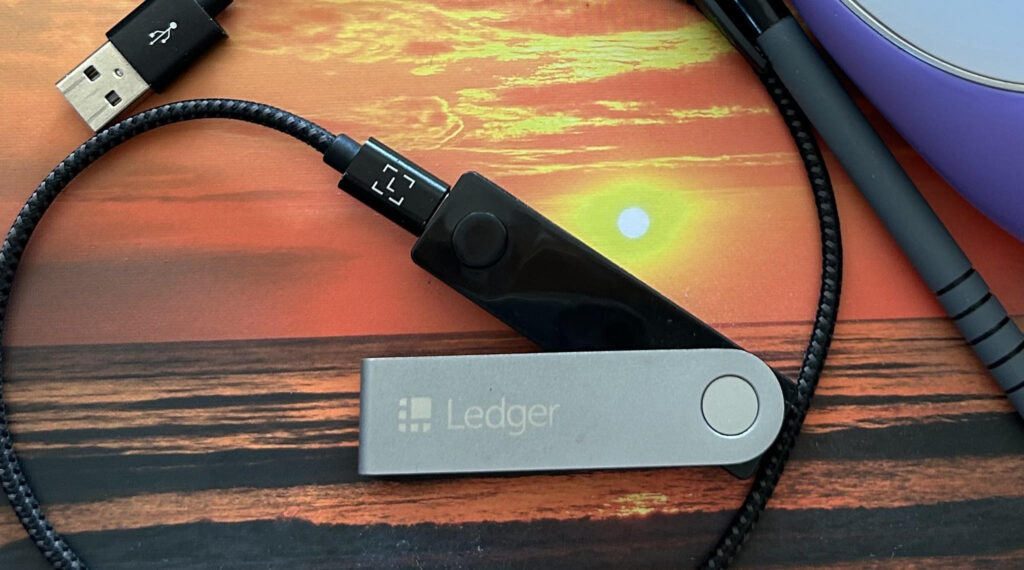
Ledger Flex is the one I personally use, and it’s stayed the most talked-about option in 2026 for good reason. It has a sleek E Ink touchscreen, solid multi-chain support, and a companion app that’s genuinely easy to use. Some privacy-conscious users still have reservations about the cloud-based recovery option, but for most people it strikes the right balance between security and everyday usability.

Trezor Safe 5 takes a different approach entirely, built around fully open-source firmware. That means the security community can audit it constantly, which matters if you take that kind of scrutiny seriously. It’s slightly bulkier than the Flex, but the trade-off in verifiability is worth it for a lot of people.
Coldcard Mk5 is for the more technically confident among you. It’s built with an almost paranoid level of security, air-gapped signing, a duress PIN, tamper-evident design. It’s not for beginners, and it doesn’t pretend to be. If you’re a long-term holder who wants the most security-forward device on the market and you’re willing to learn it properly, it’s genuinely hard to beat.
A few honourable mentions worth knowing about too. BitBox02, Foundation Passport 2, and Keystone 3 Pro each bring something distinct, though none unseated the three above for most everyday users.
The Wallet I Use to Keep My Bitcoin Safe.
Get My Ledger Now →What to Actually Look for Before You Buy
The secure element chip matters more than almost anything else on the spec sheet. This is the hardware component that physically isolates your private keys, and not all chips are equal. Look for devices with published security certifications, and treat it as a red flag if a manufacturer won’t clearly say what chip they use.
Coin support is worth checking honestly too. If you’re into DeFi, NFTs, or newer Layer 2 networks, make sure the wallet actually supports what you hold, not just Bitcoin and Ethereum on paper.
And think about the recovery process before you buy, not after. Seed phrase backup standards, passphrase support, and whether you prefer buttons or a touchscreen all shape how confidently you’ll actually use the thing when it matters.
If you want the full walkthrough of hot versus cold storage before choosing, I covered that in How to Store Crypto Safely: Hot vs Cold Wallets.



Keeping It Secure Once You’ve Bought It
Buying the wallet is just the beginning. The most common mistake people make is storing their seed phrase digitally, a photo on their phone or a note in an app. That completely defeats the point of going offline in the first place. Write it down on paper, or better, stamp it into a fireproof metal plate, and keep it somewhere physically secure.
Only buy directly from the manufacturer or a verified retailer. Counterfeit devices have shown up on third-party marketplaces before, and the consequences of using a tampered one can be serious. When it arrives, check for tamper-evident packaging, and always set it up yourself from scratch rather than trusting any pre-loaded configuration.
FAQs
Do I really need a hardware wallet if I don’t have much crypto?
Yes, even a modest amount benefits from the same protection. The risk isn’t about how much you hold, it’s about who controls your keys.

Which hardware wallet is best for beginners?
Ledger Flex, thanks to its simple companion app and touchscreen interface.
Is Trezor safer than Ledger?
Not necessarily safer, just built on a different philosophy. Trezor’s open-source firmware appeals to people who want independent auditability.
Can a hardware wallet be hacked?
It’s extremely difficult if used correctly, since your keys never touch the internet. The real risk usually comes from how the seed phrase is stored, not the device itself.
How much should I expect to spend?
Somewhere between fifty and two hundred dollars depending on the model. The most expensive option isn’t always the best fit for your needs.
What happens if I lose my hardware wallet?
Your funds are recoverable through your seed phrase on a new device, which is exactly why that backup matters so much.
Have a question I didn’t cover? Leave it in the comments below and I’ll get back to you.
New articles, straight to your inbox.
Whether you’re just curious or already investing, you belong here.
Join HereSources: Manufacturer security documentation (Ledger, Trezor, Coldcard); publicly available security audit summaries.
Not Sure Where to Start? Grab My Free Crypto Starter Guide.
Get the Guide Now →
Written by Yana Ballantyne
Founder of Yadala · Crypto Educator · Swiss Real Estate Advisor
Yana is a German-born, Australia-raised investor with two decades of experience across property, shares and crypto. She founded Yadala to make crypto simple and accessible for women — without the jargon or the overwhelm. She recommends platforms she believes in but will never tell you which coin to buy. That decision is always yours.

Disclaimer & Affiliate Disclosure
This article contains affiliate links. If you purchase through these links, I may earn a small commission at no extra cost to you. I only recommend products and services I personally use and genuinely believe in. Your support helps me keep Yadala running and free to read — thank you.
The content on Yadala is for informational and educational purposes only. Nothing here constitutes financial, investment, or legal advice. I am not a licensed financial advisor. All opinions expressed are my own personal views based on my own research at the time of writing.
Cryptocurrency and Bitcoin investments are highly volatile and speculative. The value of digital assets can rise and fall dramatically, and you could lose your entire investment. Regulatory changes may also significantly impact the value or legality of cryptocurrency in your country. Never invest more than you can afford to lose completely.
Yadala and its author accept no liability for any financial loss or damage arising from decisions made based on information in this article. Always conduct your own research and consult a qualified financial advisor before making any investment decisions.