The first time I tried to buy crypto, I opened four different apps before I actually bought anything. Every single one looked confident and official, and every single one made me feel like I was about to make a mistake I wouldn’t understand until it was too late. Nobody had explained the actual thing I needed to know, which is that a crypto exchange isn’t complicated once someone walks you through it properly.
So let’s do that. If you’re wondering how to choose a crypto exchange and every option online looks the same, this is the explanation I wish someone had given me on day one.
- A crypto exchange is simply a marketplace where you buy, sell, and trade digital assets.
- Centralized exchanges (like Binance or Coinbase) are the easiest starting point for beginners; decentralized exchanges suit more experienced users.
- Security, fees, and regional availability matter more than flashy features when you’re choosing one.
- The best exchange for you depends on where you live and how you plan to use crypto, not on which name is biggest.
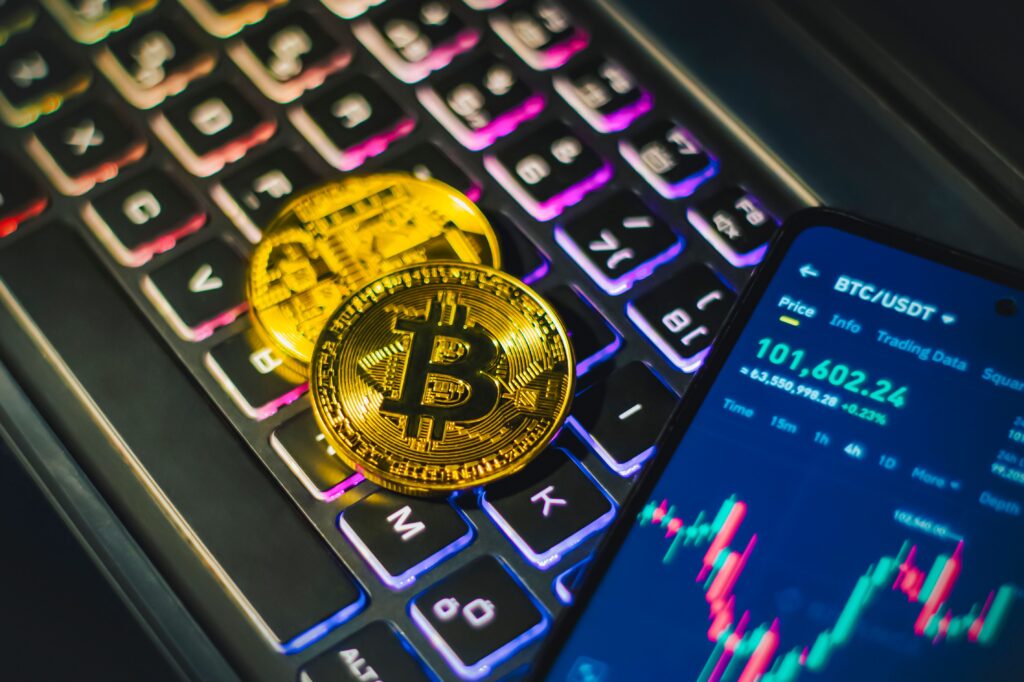
What a Crypto Exchange Actually Is
Strip away the jargon and it’s genuinely simple. A crypto exchange is a marketplace, the same basic idea as a stock exchange, just built for digital assets instead of company shares. You deposit money, place an order to buy or sell, and the exchange matches you with someone on the other side of that trade.
Most exchanges fall into one of two categories. Centralized exchanges, often shortened to CEX, are run by a company that manages the platform, holds custody of funds while they sit on the exchange, and handles identity verification. Decentralized exchanges, or DEX, cut out that middleman entirely and let you trade directly from your own wallet using smart contracts.
For almost everyone starting out, a centralized exchange is the right call. DEXs are powerful, but they assume you already understand wallets, gas fees, and slippage, which is a lot to take on in your very first week.
What Actually Matters When You’re Choosing
Security should be the first filter, not the last. Look for two-factor authentication, cold storage for the majority of user funds, and a public track record you can actually verify rather than just marketing copy claiming “bank-level security.” A quick search for “[exchange name] hack” or “[exchange name] security incident” will tell you more in five minutes than any promotional page will admit on its own.

Fees matter more than they seem to at first, since they quietly eat into every single trade you make. Compare trading fees, withdrawal fees, and any hidden spread between the buy and sell price before you commit to a platform. A one percent fee sounds small until you realize it applies every time you buy and every time you sell, which adds up fast if you’re someone who trades even occasionally rather than just holding.
Regional availability is the piece beginners miss most often, and it genuinely matters more in 2026 than it used to. If you’re in the US, Binance.US remains a strong, fully functional option with deep liquidity and a low learning curve, and it’s the exchange I use myself. If you’re in the EU, the picture is different right now: Binance suspended its EU services as of July 1, 2026 after failing to secure a license under the bloc’s new MiCA regulation, so I’d point you toward a fully licensed alternative like Coinbase or Kraken instead. I’ve broken down the EU-specific options in detail in Best Crypto Exchanges for Europeans in 2026, if that’s your situation.
Wherever you are, the underlying rule is the same. Check that the exchange is properly licensed to serve your country before you sign up, since availability can shift with very little warning, sometimes with only a few weeks’ notice, as we’ve seen this year.
A Mistake Worth Avoiding Early On
One thing I didn’t understand at first is that not every exchange treats customer support the same way. When something goes wrong, and eventually something usually does, whether that’s a delayed withdrawal or a login issue, the quality of support you get can vary enormously between platforms.
Before you commit to an exchange, take two minutes to check whether they offer live chat, how fast their public reviews say response times actually are, and whether there’s a real phone or email option if things get serious. It’s a boring thing to check before you’ve had any problems, which is exactly why most people skip it, and exactly why it’s worth doing anyway.
The Exchange I Started On (Currently Unavailable in Europe).
Check Out Binance →Coin Selection and Ease of Use

Once security and fees check out, look at whether the exchange actually supports what you want to buy. Bitcoin and Ethereum are available almost everywhere, but if you’re curious about smaller altcoins, not every platform lists every coin, and some exchanges are noticeably faster than others at listing new projects.
Ease of use matters more than people admit. If an app feels genuinely confusing to navigate, you’re far more likely to make a mistake, whether that’s an accidental order, a fee you didn’t notice, or sending funds to the wrong address entirely. A clean, well-designed interface isn’t a luxury feature, it’s part of staying safe. If you find yourself squinting at a dashboard trying to figure out where the buy button even is, that’s useful information about the platform, not a sign you’re not cut out for this.
If you’re curious how these differences actually play out between two of the biggest names, I compared them directly in Binance vs Coinbase: Which Crypto Exchange Is Actually Better for You?.
Once You’ve Bought, What Happens Next
Buying crypto on an exchange is just the first step, not the whole plan. If you intend to hold what you buy for the long term rather than trade it actively, moving it off the exchange and into a wallet you control yourself is genuinely worth doing.
I walk through exactly how in How to Store Crypto Safely: Hot vs Cold Wallets, and it’s a lot less technical than it sounds.



FAQs

What’s the difference between a CEX and a DEX?
A CEX is run by a company that manages your funds and verifies your identity. A DEX lets you trade directly from your own wallet with no company in the middle, but it requires more technical comfort.
Which exchange is best for someone brand new to crypto?
For most US-based beginners, Binance.US or Coinbase are both straightforward, well-established starting points.
Is Binance available everywhere?
No. It operates normally in the US through Binance.US, but it’s currently suspended across the EU as of July 2026 due to licensing requirements under MiCA.
Do I need to compare fees before choosing?
Yes. Even small percentage differences add up quickly if you’re trading often, so it’s worth checking before you commit to one platform.
Should I keep my crypto on the exchange long-term?
I wouldn’t, and I don’t personally. Use the exchange to buy and sell, then move anything you’re holding onto into your own wallet.
How do I know if an exchange is legitimate?
Check for proper licensing in your country, published security practices, and a track record you can verify independently rather than taking their marketing at face value.
Have a question I didn’t cover? Leave it in the comments below and I’ll get back to you.
New articles, straight to your inbox.
Whether you’re just curious or already investing, you belong here.
Join HereNot Sure Where to Start? Grab My Free Crypto Starter Guide.
Get the Guide Now →Sources: ESMA MiCA regulatory guidance; exchange security and fee documentation (Binance, Coinbase, Kraken).

Written by Yana Ballantyne
Founder of Yadala · Crypto Educator · Swiss Real Estate Advisor
Yana is a German-born, Australia-raised investor with two decades of experience across property, shares and crypto. She founded Yadala to make crypto simple and accessible for women — without the jargon or the overwhelm. She recommends platforms she believes in but will never tell you which coin to buy. That decision is always yours.

Disclaimer & Affiliate Disclosure
This article contains affiliate links. If you purchase through these links, I may earn a small commission at no extra cost to you. I only recommend products and services I personally use and genuinely believe in. Your support helps me keep Yadala running and free to read — thank you.
The content on Yadala is for informational and educational purposes only. Nothing here constitutes financial, investment, or legal advice. I am not a licensed financial advisor. All opinions expressed are my own personal views based on my own research at the time of writing.
Cryptocurrency and Bitcoin investments are highly volatile and speculative. The value of digital assets can rise and fall dramatically, and you could lose your entire investment. Regulatory changes may also significantly impact the value or legality of cryptocurrency in your country. Never invest more than you can afford to lose completely.
Yadala and its author accept no liability for any financial loss or damage arising from decisions made based on information in this article. Always conduct your own research and consult a qualified financial advisor before making any investment decisions.