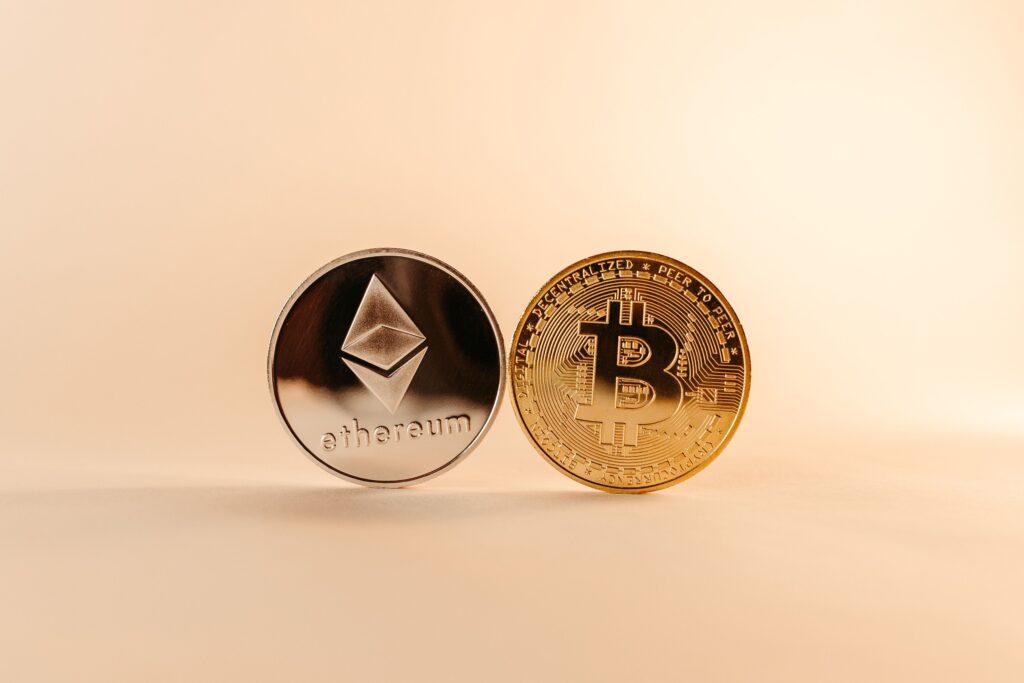
One of the first questions I get from women who are just starting out in crypto is some version of this: should I buy Bitcoin or Ethereum?
And I always give the same answer: I am not going to tell you what to buy. That is not what Yadala is for. What I will do is give you a clear, honest picture of what each one actually is, what makes them different, and what questions to ask yourself so that you can make that decision from a place of knowledge rather than guesswork.
Because here is the truth — this is not a decision I can make for you, and anyone who confidently tells you which one to buy without knowing your financial situation, your goals, or your risk tolerance is not giving you advice. They are giving you their opinion dressed up as advice. There is a difference.
- Bitcoin and Ethereum are the two most established cryptocurrencies in the world — but they were built for different purposes.
- Bitcoin is primarily a store of value with a fixed supply of 21 million coins. Many investors treat it like digital gold.
- Ethereum is a programmable blockchain that powers smart contracts, DeFi, and NFTs. It is infrastructure as much as it is currency.
- Neither is inherently better — the right fit depends on your goals, your timeline, and how closely you want to follow the ecosystem.
- You do not have to choose just one. Many investors hold both for different reasons.
- Never invest more than you can afford to lose. Both Bitcoin and Ethereum are volatile assets.
Why This Question Feels So Hard to Answer
The crypto market is enormous. At any given time there are thousands of coins and tokens available, each with its own pitch and its own community. For someone just starting out, that level of choice is genuinely overwhelming. You do not want to make a mistake with your money, and you are not sure who to trust.
What makes it harder is that crypto social media is full of people who are extremely confident in their opinions. One person says Bitcoin is the only thing worth owning. Another says Ethereum is the future and Bitcoin is outdated. A third is telling you to forget both and buy something you have never heard of. The noise is relentless.
Here is the good news. For most beginners, the conversation really does come down to just these two. Bitcoin and Ethereum are the two largest, most established, and most widely understood cryptocurrencies in the world. They have been around long enough to prove they are not going anywhere, and they are supported by real infrastructure, major exchanges, and institutional investors. Understanding both of them clearly is the most useful starting point you can have. Our Crypto 101 guide covers the full foundation if you want to go even deeper before you make any decisions.
What Bitcoin Actually Is

Bitcoin was the first cryptocurrency ever created. It launched in 2009 by an anonymous person or group using the name Satoshi Nakamoto, and it introduced the idea of a decentralised digital currency that does not need a bank or government to function. There will only ever be 21 million Bitcoin in existence — that is a hard cap built into the code. That scarcity is one of the core reasons people treat it like digital gold.
When people describe Bitcoin as the safest option in crypto, they do not mean it cannot lose value — it absolutely can and it has. What they mean is that Bitcoin has the longest track record, the largest market cap, and the widest adoption of any cryptocurrency. It is held by major corporations and institutional funds. It has been approved as legal tender in some countries. In the context of a highly volatile market, that history and adoption matter.
Bitcoin is also the easiest concept to understand as a beginner. It is a store of value and a medium of exchange. You do not need to understand smart contracts or decentralised applications to see why it has value. You just need to understand scarcity and growing global demand. If you want to understand more about Bitcoin’s fundamentals before going further, our hardware wallet guide explains how to keep it safe once you own it.
What Ethereum Actually Is
Ethereum launched in 2015 and was built with a fundamentally different purpose. Yes, it has its own currency called Ether (ETH), but the real innovation was smart contracts — self-executing pieces of code that run on the Ethereum blockchain and automatically carry out agreements when certain conditions are met. No middlemen, no banks required.

That capability opened the door to an entirely new world of applications. Decentralised finance (DeFi) lets people borrow, lend, and earn interest on their crypto without using a traditional bank. NFTs were mostly built on Ethereum. Decentralised apps ranging from games to governance platforms run on its network. Ethereum is less like digital gold and more like programmable digital infrastructure that other things are built on top of.
Ethereum has also shown a willingness to evolve. In 2022 it completed a major upgrade called The Merge, which reduced its energy consumption by over 99 percent and set the stage for future improvements. If you are genuinely curious about the technology and want to be part of something that feels like it is building the future of finance, Ethereum sits at the centre of that story.
This Is Where I Buy My Bitcoin. It’s Free to Start.
Open Your Binance Account →The Questions That Actually Matter
Rather than telling you which one to choose, here are the questions worth sitting with before you make any decision.
What do you actually want from this investment? If you are looking for something relatively simple to hold without needing to follow the ecosystem closely, Bitcoin tends to be more straightforward. If you are genuinely curious about the technology and want exposure to the broader world of DeFi and blockchain applications, Ethereum might resonate more with you.
What is your timeline? If you are planning to hold for five to ten years or more, both have historically rewarded patient investors. If you are working with a shorter window or you know you would panic at a 40 to 60 percent drop, the more established and widely held Bitcoin might suit your temperament better.
How much do you want to learn? Ethereum rewards people who follow it closely — its value is more tied to the health of its ecosystem. Bitcoin requires less active attention. Neither approach is wrong. They are just different kinds of commitment.
And finally — do you actually have to choose just one? Many investors hold both for different reasons. Starting with one to keep things simple is sensible. Adding the other later as your knowledge grows is equally sensible.
New articles, straight to your inbox.
Whether you’re just curious or already investing, you belong here.
Join HereKeeping Whatever You Buy Safe

Once you have bought either Bitcoin or Ethereum, storing it safely is the next most important thing. Leaving it on an exchange means the exchange holds your private keys, not you. That carries real risk — exchanges can be hacked, go bankrupt, or freeze withdrawals. We have seen all three happen with major platforms.
A hardware wallet like Ledger stores your private keys completely offline and puts you in direct control of your assets. It is the gold standard for crypto security and worth the small investment once your holdings feel meaningful. Our complete hardware wallet guide explains exactly how they work.
This Is the Wallet I Use to Keep My Bitcoin Safe.
Get My Ledger Now →Both Bitcoin and Ethereum are legitimate starting points for anyone new to crypto. Neither choice is wrong, and either one puts you ahead of the many people still sitting on the sidelines. The best thing you can do is understand what you are buying and why — and make that decision from knowledge, not from someone else’s confidence.
New articles, straight to your inbox.
Whether you’re just curious or already investing, you belong here.
Join HereFrequently Asked Questions
Is Bitcoin or Ethereum a better investment? Neither is objectively better — they serve different purposes. Bitcoin is primarily a store of value with a fixed supply. Ethereum is programmable infrastructure that powers a huge portion of the crypto ecosystem. The right fit depends on your goals, your timeline, and how closely you want to follow the space. This is not financial advice — always do your own research.
Can I buy both Bitcoin and Ethereum? Yes, and many investors do. Starting with one to keep things simple is sensible. Adding the other as your knowledge and confidence grows is equally sensible. There is no rule that says you have to choose.
How much do I need to buy Bitcoin or Ethereum? You can start with as little as €10 or $10. Both can be purchased in fractions — you do not need to buy a whole coin. Starting small while you learn is always the sensible approach.
Which is safer — Bitcoin or Ethereum? Bitcoin has the longer track record and is more widely held, which gives it a degree of relative stability within crypto. Ethereum is generally considered slightly more volatile because its value is more closely tied to the broader crypto ecosystem. Both are high-risk assets compared to traditional investments.
Where is the best place to buy Bitcoin or Ethereum? A regulated, reputable exchange like Binance is the safest starting point for beginners. It supports both Bitcoin and Ethereum, has strong security features, and is beginner-friendly.
Do I need a wallet to buy Bitcoin or Ethereum? You do not need one on your very first day — you can hold small amounts on a reputable exchange while you learn. But once your holdings grow to an amount you would genuinely miss losing, moving them to a hardware wallet like Ledger puts the control in your hands.



Not Sure Where to Start? Grab My Free Crypto Starter Guide.
Get the Guide Now →Sources
Satoshi Nakamoto — Bitcoin: A Peer-to-Peer Electronic Cash System: bitcoin.org Ethereum Foundation — What Is Ethereum: ethereum.org Ethereum Foundation — The Merge: ethereum.org/en/upgrades/merge CoinMarketCap — Bitcoin and Ethereum Market Data: coinmarketcap.com Binance Academy — What Is Bitcoin: academy.binance.com

Written by Yana Ballantyne
Founder of Yadala · Crypto Educator · Swiss Real Estate Advisor
Yana is a German-born, Australia-raised investor with two decades of experience across property, shares and crypto. She founded Yadala to make crypto simple and accessible for women — without the jargon or the overwhelm. She recommends platforms she believes in but will never tell you which coin to buy. That decision is always yours.

Disclaimer & Affiliate Disclosure
This article contains affiliate links. If you purchase through these links, I may earn a small commission at no extra cost to you. I only recommend products and services I personally use and genuinely believe in. Your support helps me keep Yadala running and free to read — thank you.
The content on Yadala is for informational and educational purposes only. Nothing here constitutes financial, investment, or legal advice. I am not a licensed financial advisor. All opinions expressed are my own personal views based on my own research at the time of writing.
Cryptocurrency and Bitcoin investments are highly volatile and speculative. The value of digital assets can rise and fall dramatically, and you could lose your entire investment. Regulatory changes may also significantly impact the value or legality of cryptocurrency in your country. Never invest more than you can afford to lose completely.
Yadala and its author accept no liability for any financial loss or damage arising from decisions made based on information in this article. Always conduct your own research and consult a qualified financial advisor before making any investment decisions.