I have owned a Ledger Nano X for a few years now. It sits in my desk drawer in a small pouch, looking completely unremarkable — like something you might find at the bottom of a tech accessories bag and wonder what it even does. But that little device holds the private keys to my Bitcoin and Ethereum, completely offline, completely out of reach of anyone who is not sitting at my desk holding it in their hand.
I bought it because David convinced me that leaving crypto on an exchange was the equivalent of leaving cash on a café table and hoping nobody walked past. He was right. And once I understood what a hardware wallet actually does, the €79 felt less like an expense and more like insurance on everything I had worked to build.
If you are wondering whether the Ledger Nano X is still worth buying in 2026 — here is my honest answer.
- The Ledger Nano X stores your private keys completely offline — out of reach of hackers, malware, and phishing attacks.
- Bluetooth connectivity lets you manage your crypto from your phone without cables — convenient without compromising security.
- It supports over 5,500 cryptocurrencies, so Bitcoin, Ethereum, Solana and thousands more are all covered on one device.
- Always buy directly from ledger.com — never from third-party sellers or marketplaces.
- Your 24-word recovery phrase is more important than the device itself. Store it offline and never share it with anyone.

New articles, straight to your inbox.
Whether you’re just curious or already investing, you belong here.
Join HereWhat Is the Ledger Nano X and How It Works
The Ledger Nano X is a hardware wallet — essentially a small physical device designed to store your cryptocurrency private keys offline, away from the reach of hackers, malware, and all the chaos that comes with being connected to the internet. Think of it like a USB drive that’s been purpose-built with security at its core. It was developed by Ledger, a French company that’s been in the blockchain security game since 2014, and it remains one of their flagship consumer products even today.
At its core, the device uses something called a Secure Element chip — the same kind of chip you’d find in passports or credit cards — to protect your private keys. When you want to send crypto, you connect the Nano X to your computer or smartphone, approve the transaction directly on the device, and the keys never actually leave the hardware itself. This “cold storage” approach is what separates it from keeping your coins on an exchange or in a software wallet, where vulnerabilities are far more common.
The setup process is pretty straightforward. You plug in the device, download the Ledger Live app (available on desktop and mobile), and walk through the initialization steps. You’ll generate a 24-word recovery phrase that acts as a backup for your entire wallet — lose the device, use the phrase to restore it. The Bluetooth connectivity is what really made the Nano X a game-changer when it launched, allowing users to manage their assets directly from a smartphone without needing a laptop every single time. If you are not sure whether the Nano X or the Nano S Plus is the right choice for you, our Ledger Nano X vs Nano S Plus comparison breaks down exactly which one suits your needs.
This Is the Wallet I Use to Keep My Bitcoin Safe.
Get My Ledger Now →Key Features That Make It Stand Out in 2026

Even in 2026, the Ledger Nano X brings a feature set that still holds up surprisingly well against the competition. The Bluetooth 5.0 connectivity remains one of its most convenient selling points, letting you pair it with the Ledger Live mobile app seamlessly. You’re not chained to a desk or a laptop just to check your balances or approve a transaction, which matters a lot when you’re someone who’s always on the move. It’s a small thing, but it genuinely changes how you interact with your assets day to day.
One of the biggest draws is the sheer range of supported assets. The Ledger Nano X supports over 5,500 coins and tokens as of 2026, which is a massive number and covers virtually everything a typical investor would ever need. Beyond just Bitcoin and Ethereum, you have got support for Solana, Polkadot, Avalanche, Cardano, and a long list of ERC-20 tokens and NFTs. The device can hold up to 100 apps simultaneously, which is a significant upgrade over the earlier Nano S Plus model. Not sure which one is right for you? Our Ledger Nano X vs Nano S Plus comparison breaks down exactly which suits your needs.
The Ledger Live app itself has also matured considerably over the years. In 2026, it’s a fairly robust platform that lets you buy, sell, swap, and stake crypto directly within the interface, all while keeping your private keys safely on the hardware device. It integrates with third-party DeFi platforms and NFT marketplaces too, which makes it more than just a storage solution — it’s become a bit of a crypto management hub. Not every competitor can say the same, and that ecosystem depth is genuinely hard to replicate.
Security and Performance Tested Over the Years
Security is obviously the main reason anyone buys a hardware wallet, and this is where Ledger has had a complicated but ultimately instructive history. Back in 2020, Ledger suffered a data breach that exposed customer contact information — names, emails, phone numbers. To be crystal clear, this did not compromise any private keys or crypto funds, but it did lead to some serious phishing attacks targeting affected customers. If you want to understand exactly how sophisticated those attacks can get, our crypto scam article covers what to watch for. It was a wake-up call, and Ledger responded by significantly overhauling their data security practices in the years that followed.
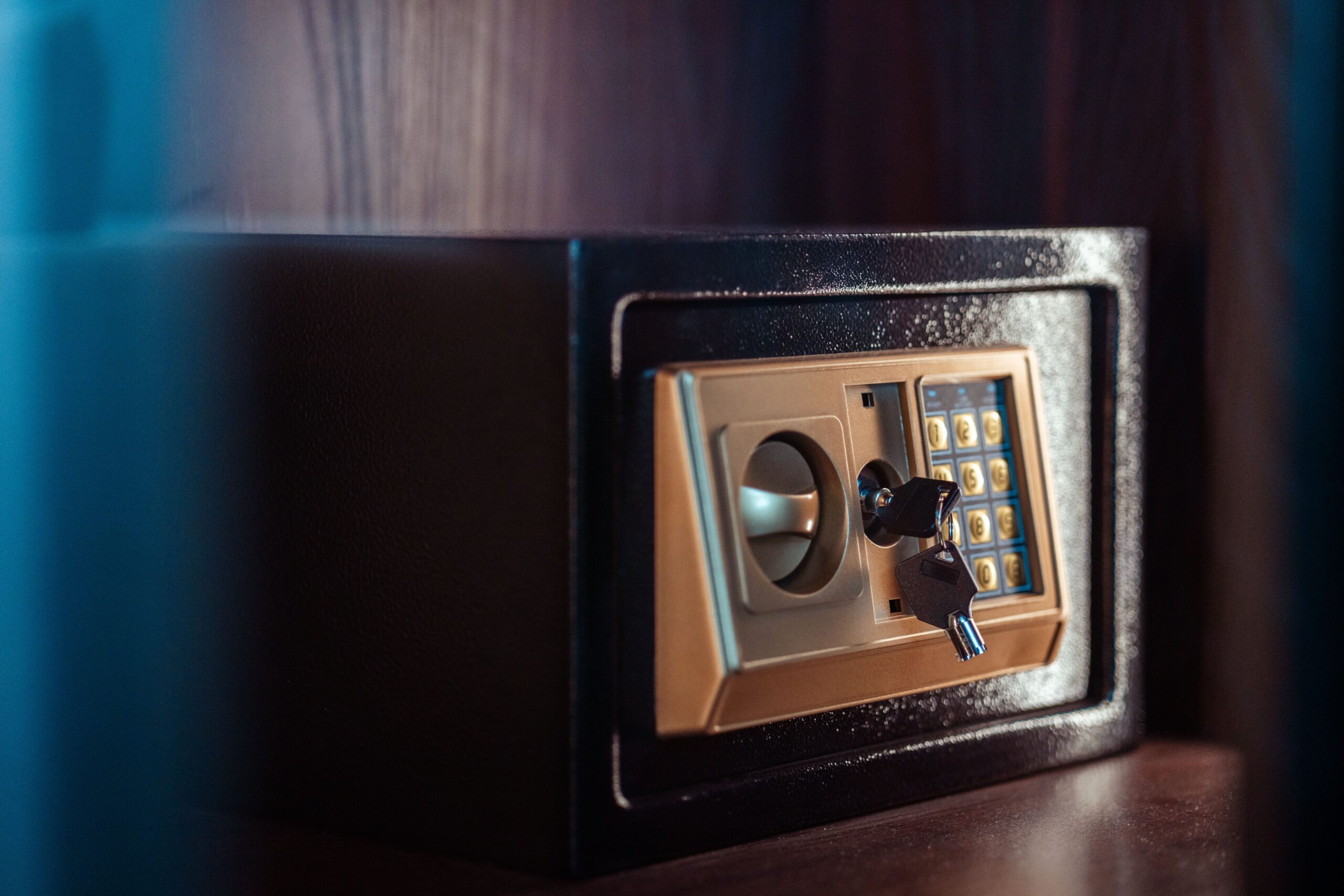
By 2026, Ledger has rebuilt much of the trust it lost during that period. The company introduced Ledger Recover, a controversial optional subscription service that allows users to back up their recovery phrase through encrypted shards stored with third parties. It sparked a massive debate in the crypto community about whether this undermined the whole point of self-custody, and honestly, that debate was healthy. The service remains optional, and if you’re a purist who wants nothing to do with it, you simply don’t enable it. The core security model of the device itself was never the problem.
In terms of raw performance, the device is snappy, reliable, and has aged well. The OLED screen is small but clear enough for verifying transaction details, and the two physical buttons work without any issues after years of use. Battery life on the Nano X has always been a mild complaint — you’ll want to charge it every few weeks with regular use — but it’s never been a dealbreaker. Most importantly, there have been no successful hardware-level exploits of the Nano X’s Secure Element in the wild, which speaks volumes about the underlying architecture.
This Is Where I Buy My Bitcoin. It’s Free to Start.
Open Your Binance Account →Pros and Cons Every Buyer Should Know About
Let’s be real about what the Ledger Nano X gets right. The Bluetooth connectivity, broad asset support, and the maturity of the Ledger Live ecosystem are genuine strengths that have only gotten better with time. It’s a polished product that works reliably for both beginners who are just moving their first Bitcoin off an exchange and experienced users managing complex DeFi positions across multiple chains. The build quality feels premium, the setup is well-documented, and Ledger‘s customer support has improved meaningfully since the rocky days of the data breach fallout.
On the flip side, there are real cons worth acknowledging. The price point is one of them — at around $149 USD, the Nano X isn’t cheap, especially when you consider that some capable competitors have come in at lower price points. The Ledger Recover controversy also left a sour taste for a portion of the community, even if the feature is optional. There’s also the matter of the closed-source firmware, which has always been a point of contention for security purists who prefer fully open-source solutions like the Trezor Model T. You’re trusting Ledger‘s internal security audits to a degree, and for some people, that’s a philosophical dealbreaker.

Another minor but real annoyance is the small screen size. When you’re reviewing a long smart contract interaction or verifying a complex transaction, squinting at a tiny OLED display isn’t exactly ideal. Competitors like the Keystone 3 Pro have leaned into larger touchscreen displays, and it does make a difference in usability. The Nano X is also not the most beginner-proof device in terms of understanding the 24-word seed phrase concept — though that’s arguably a crypto education problem more than a device problem.
New articles, straight to your inbox.
Whether you’re just curious or already investing, you belong here.
Join HereShould You Still Buy the Ledger Nano X Today
Here’s the honest bottom line: yes, the Ledger Nano X is still worth buying in 2026, but it depends on who you are and what you’re looking for. If you’re someone who wants a well-tested, widely supported hardware wallet with a mature app ecosystem and Bluetooth convenience, the Nano X delivers on all of those fronts. It’s not flashy or cutting-edge in the way it was when it first launched, but it’s reliable, and in the world of crypto security, reliability matters more than novelty.
That said, it’s no longer the automatic, obvious choice it once was. The hardware wallet market has gotten genuinely competitive, and devices like the Trezor Safe 5, the Keystone 3 Pro, and Coldcard have given buyers real alternatives worth considering depending on their priorities. If open-source firmware is non-negotiable for you, Trezor is the move. If you want a bigger screen and air-gapped signing, Keystone might be your answer. The Nano X wins on the combination of ecosystem depth, Bluetooth mobility, and overall polish — but it’s no longer winning by a landslide.
For most everyday crypto holders — people who have a mix of Bitcoin, Ethereum, and altcoins, who want something that works reliably without too much technical fussing — the Ledger Nano X remains a very solid pick. It’s been battle-tested over years, the company is still actively developing and supporting it, and the peace of mind that comes with cold storage is absolutely worth the investment. Just go in with clear eyes about its limitations, skip the Ledger Recover service if self-sovereignty is your priority, and you’ll likely be very happy with it.
The Ledger Nano X has had quite a journey — from being the undisputed king of hardware wallets to navigating controversy and stiff competition, and still managing to come out the other side as a genuinely recommendable product in 2026. It’s not perfect, and it’s no longer the only serious option on the market, but for a large portion of crypto users, it checks all the right boxes. If you’re serious about securing your digital assets and you want a device that won’t let you down, the Nano X is still very much in the conversation — and arguably still at the top of it.



Frequently Asked Questions
Is the Ledger Nano X worth it in 2026?
Yes, for most crypto holders it remains one of the best all-round hardware wallets available. It offers strong security, Bluetooth connectivity, support for over 5,500 cryptocurrencies, and works seamlessly with both iPhone and Android. If you hold more than €500 in crypto, the price is absolutely justified.
What is the difference between the Ledger Nano X and Nano S Plus?
The Nano X has Bluetooth, a built-in battery, and works with iPhone. The Nano S Plus is cheaper, wired only, and does not support iOS. If you want to manage your crypto from your phone on the go, choose the Nano X. If you only ever use a computer, the Nano S Plus saves you money.
Is Bluetooth safe on the Ledger Nano X?
Yes. Bluetooth on the Nano X only transmits public data — your private keys never leave the device under any circumstances. Even if the Bluetooth connection were intercepted, an attacker could not access your funds without physical access to the device and your PIN.
What happens if my Ledger Nano X is lost or stolen?
Your crypto is safe as long as you have your 24-word recovery phrase stored somewhere secure. Simply buy a new Ledger device, select restore from recovery phrase during setup, enter your words, and all your funds are immediately accessible again.
How long does the Ledger Nano X battery last?
The battery lasts several hours during active use and several months in standby. Ledger recommends charging it roughly every three months even if you are not actively using it. The battery is not replaceable but the device typically lasts three to five years before battery degradation becomes an issue.
Ready to Take Your First Step? Get Your Free Crypto Starter Guide.
Download Your Free Guide Here →Sources
Ledger Official Website — ledger.com
Coin Bureau — Ledger Nano X Review 2026 — coinbureau.com
CryptoSlate — Ledger Nano X Wallet Review — cryptoslate.com

Written by Yana Ballantyne
Founder of Yadala · Crypto Educator · Swiss Real Estate Advisor
Yana is a German-born, Australia-raised investor with two decades of experience across property, shares and crypto. She founded Yadala to make crypto simple and accessible for women — without the jargon or the overwhelm. She recommends platforms she believes in but will never tell you which coin to buy. That decision is always yours.

Disclaimer & Affiliate Disclosure
This article contains affiliate links. If you purchase through these links, I may earn a small commission at no extra cost to you. I only recommend products and services I personally use and genuinely believe in. Your support helps me keep Yadala running and free to read — thank you.
The content on Yadala is for informational and educational purposes only. Nothing here constitutes financial, investment, or legal advice. I am not a licensed financial advisor. All opinions expressed are my own personal views based on my own research at the time of writing.
Cryptocurrency and Bitcoin investments are highly volatile and speculative. The value of digital assets can rise and fall dramatically, and you could lose your entire investment. Regulatory changes may also significantly impact the value or legality of cryptocurrency in your country. Never invest more than you can afford to lose completely.
Yadala and its author accept no liability for any financial loss or damage arising from decisions made based on information in this article. Always conduct your own research and consult a qualified financial advisor before making any investment decisions.